
380,000 Fake COVID Tests? Lab Owner Charged in $66 Million Healthcare Fraud Scheme
An Illinois laboratory executive faces federal fraud charges after prosecutors alleged that his company fabricated at least 380,000 COVID-19 test results and submitted approximately $66.2 million in fraudulent healthcare claims for tests that were never performed.
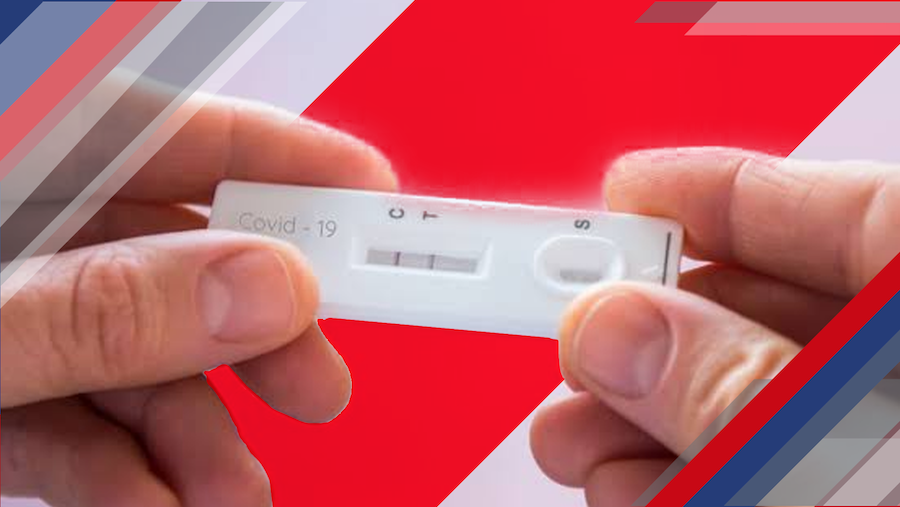
The allegations reveal how a system designed to provide free medical testing during a national emergency may have been exploited on an enormous scale. Federal investigators say hundreds of thousands of negative COVID-19 results were created without the underlying laboratory work ever taking place, raising serious questions about patient information, medical billing oversight, and the controls used to verify healthcare services before payment.
For insurance agents, agencies, carriers, and healthcare organizations, the case offers a striking example of why claims integrity involves more than confirming that paperwork is complete. Even when medical records appear legitimate, the services documented in those records may not have occurred.
Although this particular case involves a federally funded healthcare program rather than payments from private health insurance carriers, the vulnerabilities it exposes are relevant across the broader insurance marketplace.
380,000 Test Results, but No Tests Performed
On October 20, 2026, the U.S. Department of Justice announced that a federal grand jury in the Northern District of Illinois had indicted Rajesh "Raj" Patel, 52, of Schaumburg, Illinois, on five counts of wire fraud.
Patel was the co-owner and chief operating officer of a clinical laboratory in Hillside, Illinois, that processed polymerase chain reaction, or PCR, tests during the COVID-19 pandemic.
According to federal prosecutors, the laboratory entered into an agreement with Meridian Medical Staffing Inc. around March 2021. Under the arrangement, Meridian was responsible for collecting COVID-19 test specimens and supplying the laboratory with specimens and patient information.
The laboratory paid Meridian tens of millions of dollars for those services. However, investigators allege that many of the purported patients either did not exist or had never provided test specimens.
Between May 2021 and April 2022, Patel allegedly created negative COVID-19 test results for at least 380,000 PCR tests that the laboratory never actually performed.
Those fabricated results were then used to support reimbursement claims submitted to the Health Resources and Services Administration, commonly known as HRSA.
The federal indictment alleges that the laboratory submitted approximately $66.2 million in fraudulent claims, received approximately $44.1 million in payments, and generated approximately $28 million in proceeds for Patel personally.
Patel faces a maximum statutory penalty of 20 years in prison on each wire fraud count if convicted. His attorney has publicly disputed the allegations and maintained that Patel committed no wrongdoing. The charges remain allegations, and Patel is presumed innocent unless proven guilty in court.
How a Program Created to Help Uninsured Americans Became a Target
The alleged scheme centered on HRSA's COVID-19 Uninsured Program, which reimbursed eligible healthcare providers for COVID-19 testing, treatment, and certain vaccination-related services furnished to people without health insurance.
During the pandemic, the federal government established reimbursement mechanisms intended to remove financial barriers to essential healthcare services. The objective was straightforward: people without insurance should still be able to access testing and necessary medical care.
For healthcare providers, the program created a way to receive payment for qualifying services delivered to uninsured patients. For communities, it helped make testing accessible during a period when identifying infections was particularly important.
However, the structure also depended on providers accurately reporting that patients existed, qualified for the program, and received the services being billed.
That reliance on provider-submitted information created an opportunity for abuse when the supporting records could not be independently verified before reimbursement.
In the Illinois case, prosecutors allege that fabricated patient information and negative test results were used to make nonexistent services appear eligible for payment.
The distinction between submitted claims and actual payments is particularly important. While the laboratory allegedly billed approximately $66.2 million, federal authorities say it received approximately $44.1 million. The larger figure represents the alleged fraudulent billing, while the smaller figure represents reimbursements actually paid.
For insurers and program administrators, that difference illustrates why fraud monitoring must address both attempted improper payments and funds that have already left the system.
The Most Troubling Detail May Be the Negative Test Results
Financial losses are only one part of the story. The allegation that hundreds of thousands of negative laboratory results were fabricated introduces an additional concern involving the reliability of medical information.
A legitimate negative PCR result indicates that a biological specimen was analyzed and the virus was not detected under the conditions of that test.
An invented negative result provides no such assurance.
During the pandemic, testing information could influence decisions about workplace attendance, household isolation, medical treatment, travel, and protecting vulnerable family members.
Federal prosecutors have not established that any particular individual relied on a fabricated result and suffered harm. It also remains unclear how many actual patients, if any, received the allegedly false negative results.
Nevertheless, the allegations demonstrate why accurate medical documentation matters beyond reimbursement. When billing records and clinical information are disconnected from real services, both financial controls and confidence in medical records can be compromised.
This concern is especially relevant to healthcare organizations and insurers that depend on third-party laboratories, testing companies, and other service providers to produce reliable information.
The Financial Scale of the Alleged Scheme
The size of the Illinois case becomes clearer when its major figures are considered together.
|
Measure |
Reported Amount |
|
Fabricated Tests |
At least 380,000 PCR tests allegedly never performed |
|
Claims Submitted |
Approximately $66.2 million in alleged fraudulent billing |
|
Federal Payments |
Approximately $44.1 million allegedly reimbursed by HRSA |
|
Personal Proceeds |
Approximately $28 million allegedly obtained by Patel |
|
Federal Charges |
Five counts of wire fraud |
These figures highlight the potential financial exposure when questionable claims are repeated across a large volume of transactions.
A single suspicious medical claim may involve a relatively modest payment. When similar claims are submitted hundreds of thousands of times, however, the cumulative financial impact can become substantial.
For insurance carriers, the lesson is not simply to investigate unusually expensive claims. High-volume billing patterns, especially those involving standardized services and repeated documentation, may also warrant closer examination.
A Broader Pattern of Pandemic-Era Healthcare Fraud
The Illinois indictment is not an isolated example of alleged COVID-19 testing fraud.
In another federal case involving clinical laboratories in Illinois and California, authorities alleged that operators submitted more than $293 million in fraudulent claims for COVID-19 laboratory testing services that were never provided.
According to the Justice Department, Medicare, Medicaid, and private insurers paid at least approximately $65 million in reimbursements connected to that separate alleged scheme. Federal prosecutors also brought money laundering allegations involving transfers of proceeds through related businesses and purchases of high-value assets.
These cases illustrate how pandemic-related healthcare fraud allegations have extended across different reimbursement systems, including federal programs and commercial insurance.
The Justice Department has reported that its Health Care Fraud Strike Force Program has charged more than 6,200 defendants since 2007, involving more than $45 billion in collective billing to federal healthcare programs and private insurers.
Those figures represent the scope of charged activity, not a finding that every billed dollar was fraudulent or ultimately lost.
Nevertheless, they demonstrate the scale of healthcare fraud enforcement and the importance of coordinated investigation among regulators, law enforcement, insurers, and healthcare organizations.
Why Fabricated Claims Can Be Difficult to Detect
Healthcare reimbursement systems routinely process enormous volumes of claims. Many involve standardized procedures, recurring billing codes, and payments that may appear ordinary when viewed individually.
Laboratory testing is particularly susceptible to high-volume billing because a single provider may legitimately process thousands of specimens during a relatively short period.
During a public health emergency, rapid processing and reimbursement become especially important. Delays can discourage providers from delivering needed services or create financial pressure for organizations serving uninsured populations.
The challenge for program administrators and insurers is maintaining that speed without sacrificing adequate verification.
In the Illinois allegations, a critical vulnerability involved the relationship between the company reportedly collecting specimens and the laboratory responsible for testing them.
The laboratory allegedly received information about purported patients and then generated results that did not correspond to completed laboratory work.
A reimbursement claim supported by a laboratory result can appear legitimate if the system does not also verify the existence of a specimen, the performance of the test, and the connection to the patient.
This is why effective claims integrity programs must examine the complete service transaction rather than relying solely on documents generated by the billing organization.
What Insurance Carriers Can Learn From the Case
Although HRSA was the payer in the Patel case, commercial health insurers face comparable concerns whenever claims depend on services performed by independent laboratories or other outside healthcare providers.
The potential exposure is not limited to COVID-19 testing. Similar verification challenges can arise with diagnostic testing, genetic testing, durable medical equipment, home healthcare, and other services involving substantial claim volumes or multiple intermediaries.
Carriers can use cases like this to evaluate whether their systems identify suspicious patterns before significant payments accumulate.
Warning Signs Worth Investigating
Several billing patterns may justify closer review, although none independently proves fraudulent activity.
- Unusual claim volume: Testing activity that exceeds a provider's apparent staffing, equipment, or operating capacity.
- Repeated identical results: Large concentrations of standardized findings that warrant examination of underlying laboratory records.
- Questionable patient information: Missing, inconsistent, duplicate, or unverifiable patient identifiers.
- Third-party dependencies: Heavy reliance on outside specimen collectors without adequate documentation or oversight.
- Billing and service mismatches: Claims lacking corresponding specimen records, testing activity, or patient encounters.
- Rapid payment growth: Reimbursement increases that appear inconsistent with a provider's established business activity.
An effective review should consider legitimate explanations for unusual activity. A major testing center operating during a pandemic, for example, may experience extraordinary claim volume without engaging in misconduct.
The objective is to distinguish unusual but legitimate operations from patterns that cannot be reconciled with actual services.
The Importance of Independent Verification
Claims analytics can identify irregularities, but resolving them often requires independent evidence.
For laboratory claims, that evidence may include specimen accession records, instrument activity, quality control documentation, collection dates, patient encounters, and contractual records involving third-party collectors.
Carriers and administrators should also consider whether payment controls are sufficiently independent of the providers submitting claims.
When every supporting document originates from the same organization responsible for billing, the verification process may fail to detect fabricated transactions.
The Illinois allegations demonstrate how substantial financial exposure can develop when a reimbursement system accepts medical activity that prosecutors say never occurred.
Why Insurance Agents and Agencies Should Pay Attention
Insurance agents generally do not investigate laboratory billing fraud or determine whether medical claims are fraudulent. Those responsibilities belong to insurers, program administrators, regulators, and law enforcement.
However, agents and agencies often serve as the first point of contact when policyholders question an explanation of benefits, receive a suspicious medical bill, or discover unfamiliar healthcare activity associated with their coverage.
That makes claims awareness an important part of customer service.
A client reviewing a health insurance statement may notice a laboratory test, provider name, or service date that does not match any care they remember receiving.
Not every unfamiliar entry indicates fraud. Some healthcare organizations bill under corporate names that differ from the locations patients visited, while laboratory services may be processed by facilities separate from the ordering physician.
Still, unexplained medical activity should not automatically be dismissed.
Agents can help clients understand how to review their insurance statements, contact the appropriate carrier, and report potentially incorrect claims through established channels.
For Medicare beneficiaries, questions involving suspicious claims may also warrant contact with Medicare or the appropriate fraud-reporting organization.
The practical value for agencies lies in helping clients recognize potential problems, protect their personal information, and navigate the reporting process without attempting to make fraud determinations themselves.
Patient Information Adds Another Layer of Concern
One of the more significant allegations in the Illinois case is that many purported patients did not exist or never submitted specimens for testing.
That raises a broader issue involving the use and verification of patient identities in healthcare transactions.
False claims can involve entirely invented identities, improperly used personal information, or genuine patients whose information is associated with services they never received.
The precise sources and circumstances of the patient information involved in this case have not all been established publicly. The indictment should not be interpreted as proof that every purported patient was a victim of identity theft.
Nevertheless, the allegations reinforce the importance of ensuring that patient records correspond to actual individuals and legitimate medical encounters.
For commercial carriers, questionable healthcare claims may create administrative costs even when improper payments are eventually prevented or recovered.
Investigations can require coordination among claims departments, provider networks, special investigation units, and affected members.
For consumers, medical information connected to services they never received can create confusion and may require correction if inaccurate entries appear in records used for subsequent care or reimbursement.
Maintaining accurate healthcare records is therefore both a financial control issue and an important component of consumer protection.
Healthcare Fraud Enforcement Continues Years After the Pandemic
Another noteworthy aspect of the case is its timing.
The alleged conduct occurred between May 2021 and April 2022, yet federal charges were announced in October 2026, several years after the testing activity at issue.
That delay illustrates how complex healthcare fraud investigations can extend well beyond the period when allegedly improper payments occurred.
Investigators may need to examine extensive billing records, financial transactions, laboratory documentation, relationships among multiple companies, and the movement of reimbursement proceeds.
The case also reflects continuing federal attention to pandemic-era fraud as authorities examine programs created or expanded during the public health emergency.
For insurers and healthcare organizations, the timing offers a reminder that historical claims data remains important long after a particular program or emergency payment arrangement has ended.
Appropriate record retention, audit trails, and access to supporting documentation can be essential when questions about past reimbursements emerge years later.
A Reminder That Claims Integrity Protects More Than Money
The allegations against Patel involve substantial financial losses, but the implications extend beyond the federal dollars reportedly paid to the laboratory.
Healthcare reimbursement systems depend on trust between patients, providers, insurers, administrators, and government programs.
When a medical service is billed, the payer generally expects that the patient exists, the service was medically appropriate when required, the provider actually performed it, and the submitted documentation accurately reflects what happened.
Cases involving fabricated medical records challenge those basic assumptions.
For insurance carriers, stronger verification and fraud detection can help reduce improper payments and protect the resources available for legitimate healthcare services.
For agents and agencies, increased awareness of suspicious claims can improve client education and help policyholders navigate unfamiliar billing activity.
For healthcare providers, the case reinforces the importance of maintaining reliable records, carefully overseeing outside vendors, and ensuring that every reimbursement claim corresponds to a service actually delivered.
The Illinois prosecution remains unresolved, and the government must prove its allegations in court. Still, the case brings an important industry question into focus: how can healthcare payment systems confirm that documented services actually occurred before millions of dollars are distributed?
As healthcare transactions become increasingly interconnected and dependent on outside service providers, the answer will matter to federal programs, private insurers, healthcare organizations, and the policyholders who ultimately depend on the integrity of the system.