
Federal Reserve Interest Rate Hike and Its Impact on the Insurance Industry
The Federal Reserve has increased interest rates for the first time in over three years, responding to concerns about rising inflation and energy costs.
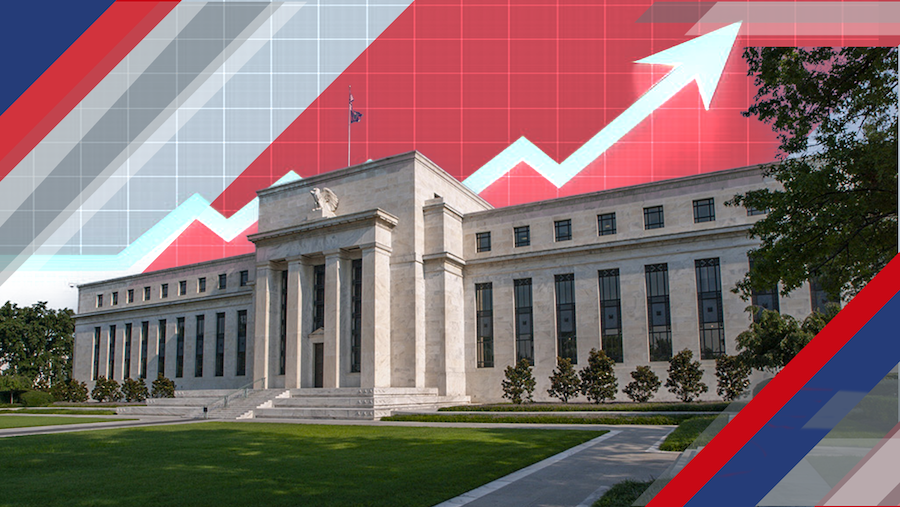
This decision underscores the Fed's ongoing challenges in stabilizing the U.S. economy amid pressing inflationary pressures. The move, a strategic measure to curb inflation, aims to discourage borrowing and reduce consumer spending. However, former President Donald Trump has criticized the hike, advocating for a more accommodative monetary policy with interest rates at 1% or lower. Despite Trump's previous dialogue with Fed Chair Kevin Warsh, the Fed emphasizes its need for independence in monetary decision-making.
Why the Fed's Interest Rate Decision Matters
The recent rate hike reflects the Fed's commitment to controlling inflation, which Chairman Warsh attributes in part to ongoing geopolitical tensions with Iran elevating fuel prices. Warsh's focus on maintaining economic stability comes as data indicates a 7% increase in gasoline prices over the past month. The Fed’s key inflation measure showed a 3.7% annual rise as of July, with core inflation at 3.3%—both figures exceeding the Fed's 2% target, highlighting the complexity of current economic challenges.
Broader Implications for Consumers and Lenders
For the insurance industry and financial markets, the impact of rising interest rates is multifaceted. Higher borrowing costs could result in increased consumer expenses for credit cards, auto loans, and mortgages. This, in turn, affects insurers, as consumers may prioritize discretionary expenses over policy renewals or coverage expansions. Additionally, interest rate fluctuations influence insurers’ investment income, underwriting strategies, and overall financial stability.
| Impact | Explanation |
|---|---|
| Consumer Loans | Higher rates increase costs for mortgages and credit cards |
| Insurer Investment | Higher yields on bonds impact financial returns |
The Fed’s measures, coupled with legislative oversight from Congress, underscore the delicate balance in managing monetary policy while considering political dynamics and economic indicators. As the situation evolves, industry insiders should closely monitor regulatory shifts and market reactions to effectively manage risk and strategize accordingly. As always, maintaining a clear understanding of monetary policies and their implications remains critical for insurance professionals navigating these uncertain economic times.