
DOJ Enters Landmark California Insurance Case That Could Redefine Industry Antitrust Boundaries
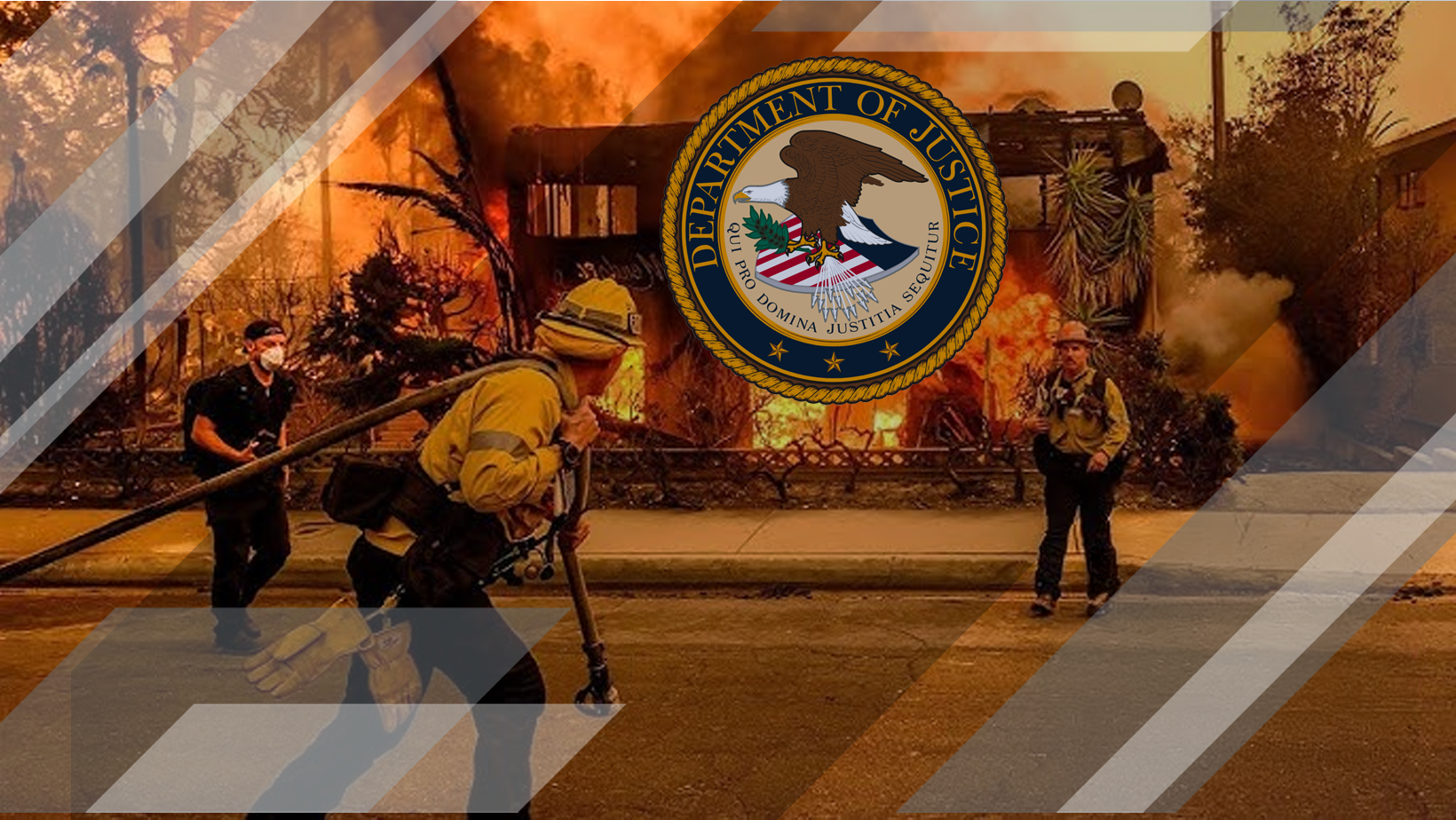
A high stakes California legal battle is putting insurer practices, antitrust boundaries, and wildfire risk strategy under a national spotlight.
The Department of Justice stepping into an ongoing lawsuit involving 16 insurers signals more than just another regulatory dispute. For agents, agencies, and carriers, this case touches core issues that define today’s property insurance market, including capacity constraints, regulatory oversight, and how far coordination across the industry can go during crisis conditions.
At the center of the case are allegations that insurers collectively withdrew homeowners fire coverage in wildfire prone areas, leaving policyholders with no option but to move into California’s FAIR Plan. While the DOJ has not taken a position on whether the insurers acted unlawfully, its involvement underscores the legal and operational complexity facing the industry.
What the Lawsuit Alleges
Filed by 60 homeowners in Los Angeles County, the lawsuit claims that multiple insurers coordinated their decisions to cancel or non renew fire insurance policies ahead of escalating wildfire risks. The plaintiffs argue that these actions were not isolated underwriting decisions but part of a broader pattern that forced consumers into the state backed FAIR Plan.
The FAIR Plan was designed as a last resort market. However, policyholders often face higher premiums, reduced coverage limits, and fewer protections compared to standard homeowners policies. For many insureds, this transition represents a significant financial and coverage gap.
“When insurers move in tandem, even unintentionally, the impact on consumers can resemble a coordinated market exit.”
Insurance Regulatory Analyst
Named defendants include several of the largest carriers in the market, including State Farm, Allstate, and Travelers. The plaintiffs cite specific examples of abrupt cancellations without replacement options, highlighting the real world consequences for homeowners trying to maintain coverage in high risk zones.
Why the DOJ’s Involvement Matters
The DOJ’s Antitrust Division has entered the case through a statement of interest, focusing on how antitrust law should be interpreted rather than arguing the facts of the case. This distinction is important, but the implications are significant.
At issue is whether the insurers’ actions could be considered a group boycott, which is a type of conduct that can fall outside traditional protections afforded to the insurance industry.
Historically, the McCarran Ferguson Act gives states primary authority to regulate insurance. However, federal antitrust law still applies in certain situations, particularly when coordinated behavior restricts market access or harms competition.
The Noerr Pennington Defense
Insurers have pointed to the Noerr Pennington doctrine, which protects entities from antitrust liability when petitioning the government. In this context, carriers argue that their actions were part of legitimate regulatory engagement.
The DOJ, however, has clarified that this protection may not extend to alleged coordination that directly impacts consumer access to coverage. If courts agree, it could narrow how insurers collaborate during periods of regulatory and environmental stress.
The Broader Market Context
This case is unfolding against a backdrop of mounting pressure on property insurers, especially in catastrophe exposed states like California. Wildfire frequency and severity have reshaped underwriting models, capital allocation, and risk appetite.
Carriers have increasingly relied on non renewal strategies, stricter underwriting guidelines, and geographic pullbacks to manage exposure. At the same time, regulators have pushed for consumer protections and market stability.
The tension between these forces is not unique to California. Similar dynamics are emerging in Florida, Texas, and other catastrophe prone regions.
Key Pressures Shaping Insurer Decisions
- Risk concentration: wildfire exposure driving portfolio imbalances
- Reinsurance costs: rising rates reducing underwriting flexibility
- Regulatory constraints: limits on rate adjustments and policy changes
- Capital management: need to maintain solvency and ratings stability
Claims Handling Scrutiny Adds Fuel
Complicating the situation further are findings from the California Department of Insurance related to claims handling practices. A recent review cited hundreds of alleged violations involving delayed processing and underpayment issues.
While insurers have disputed the interpretation of these findings, the scrutiny reinforces a growing narrative around accountability and transparency. For agents and agencies, this environment heightens the importance of carrier selection and client communication.
“Trust is the currency of insurance, and it is tested most during moments of loss and uncertainty.”
Property Claims Consultant
What This Means for Agents and Carriers
For insurance professionals, the implications extend beyond the courtroom. This case could influence how carriers approach underwriting decisions, inter company communication, and regulatory engagement.
Agents may face increased client concerns about policy stability, especially in high risk areas. Clear communication about coverage limitations, renewal risks, and alternative options will be essential.
Carriers, meanwhile, may need to reassess how they document and justify underwriting actions to ensure they are defensible as independent business decisions rather than perceived coordinated efforts.
Looking Ahead
Regardless of the final outcome, this case is likely to shape industry conversations around competition, collaboration, and consumer protection. It also highlights the delicate balance insurers must strike between managing risk and maintaining market access.
As wildfire risk and other climate related exposures continue to evolve, the legal frameworks governing insurer behavior will become even more relevant. Staying informed and adaptable will be critical for every stakeholder in the insurance ecosystem.