
Insurance Industry Leaders Address Rising Healthcare Costs
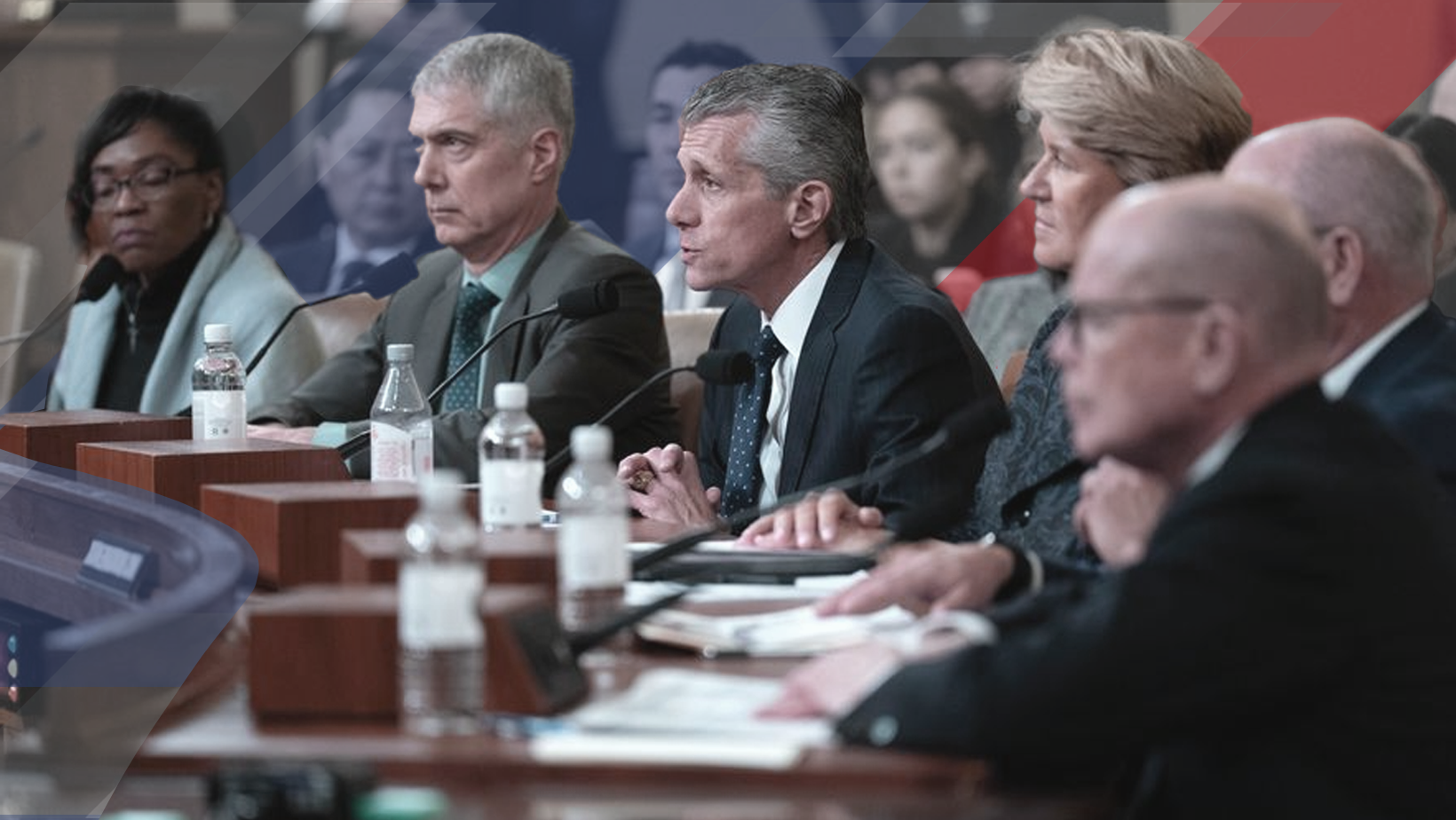 Congress Turns Up the Heat on Health Insurers and PBMs as Costs Keep Climbing
Health insurance executives and pharmacy benefit manager (PBM) leaders faced pointed questions from the House Ways and Means Committee as lawmakers opened a broader review of why premiums, deductibles, and out-of-pocket costs continue to rise for American families.
For insurance professionals, the message is clear: Washington is focusing less on slogans and more on the plumbing of the system, especially where consolidation and vertical integration have changed how money moves between insurers, PBMs, pharmacies, and provider groups.
Why this hearing matters to the industry
This session marks the beginning of a series of legislative reviews looking at high healthcare costs alongside significant consolidation across coverage, pharmacy benefits, and care delivery. A small set of large organizations now operate across multiple parts of the value chain, which raises a core question for lawmakers: is the marketplace still competitive enough to discipline prices?
Committee leadership framed the concern in practical terms, emphasizing that the biggest health organizations are no longer only insurers. Many also manage drug benefits, operate pharmacies, and employ or own provider groups, which can increase corporate control over both pricing and patient access decisions.
“When the same company wears the hat of insurer, PBM, pharmacy, and provider, Congress wants to know who really benefits.”
— Committee staff framing of the hearing, House Ways and Means
Vertical integration moves from strategy to scrutiny
Over the past several years, the industry has accelerated vertical integration. The basic idea is familiar to most agents and agency leaders: tighter coordination can reduce friction, improve care management, and simplify member navigation.
But lawmakers focused on a different implication. If the largest health companies control multiple steps in the patient journey, they can also influence referrals, steer pharmacy utilization, shape reimbursement, and set benefit designs that may favor affiliated entities.
What Congress is probing inside integrated organizations
Much of the questioning centered on how revenue flows inside integrated companies. Committee members repeatedly pressed for clarity on where patient dollars land once they enter a system that includes the insurer, the PBM, and potentially the pharmacy or provider arm.
Executives generally highlighted consumer-facing improvements rather than offering detailed financial breakdowns. That approach, however, collided with lawmakers’ insistence on transparency: if families are paying more, Congress wants a clearer map of what portion is paying for care, what portion is retained, and what portion is shifted between affiliated entities through contracted rates and fees.
PBMs, deductibles, and the “does this count?” question
Another key flashpoint was how drug costs intersect with deductibles, particularly when the PBM is owned by the insurer. Members asked whether certain drug costs could be structured to count toward a patient’s deductible in more situations, which could reduce immediate financial pressure at the pharmacy counter.
This issue is especially relevant for plans where manufacturer assistance, copay programs, or benefit designs can complicate what a consumer thinks they paid versus what the plan credits toward cost-sharing thresholds. The hearing signaled that legislators may push for clearer, more consistent rules that patients can actually understand.
Prior authorization, automation, and patient delays
Lawmakers also referenced frustration with delays tied to prior authorization, especially as more administrative decisioning becomes automated. The concern was not simply speed, but predictability: patients experience the system as “yes/no/try again,” and they often blame their plan even when multiple entities touch the process.
For carriers, agencies, and brokers, that matters because administrative friction is felt as a member experience issue, regardless of where the bottleneck lives.
“Transparency isn’t an academic exercise. It’s the difference between a member trusting their coverage and feeling trapped by it.”
— Rep. David Kustoff, U.S. House of Representatives
Efficiencies promised, consumer costs rising
Consolidation is often defended as a path to scale efficiencies: better negotiating leverage, streamlined operations, improved care coordination, and tighter management of high-cost conditions. The committee challenged whether those efficiencies are reaching consumers.
One member distilled the skepticism plainly: if the marketplace is working as expected, premiums should be lower or at least growing more slowly. Instead, patients report higher premiums, rising deductibles, and more out-of-pocket exposure.
The underlying implication is uncomfortable for the industry: even if integration improves internal performance, Congress is evaluating outcomes at the kitchen-table level, where the trend line still feels like “pay more, worry more.”
Regulatory constraints and the ACA backdrop
Industry leaders pointed to the constraints of the current system, noting that compliance requirements shape what plans can do and how benefits are structured. When the discussion turned to the Affordable Care Act (ACA), some leaders acknowledged that major stakeholders helped shape the environment insurers operate in today.
This portion of the hearing signaled something agents should watch closely: reform conversations may target not only corporate structure and PBM practices, but also the rules that set the playing field for pricing, benefit design, and member cost-sharing.
What agents, agencies, and carriers should take from this
- Expect more questions about “where the money goes”: Legislators are focused on internal revenue flows across integrated organizations.
- Prepare for renewed PBM policy pressure: Deductible crediting, pharmacy counter costs, and fee transparency remain front and center.
- Member experience will drive the politics: Prior authorization delays and surprise cost-sharing outcomes are easy targets for oversight.
- Consolidation is no longer a background issue: Market power and competition concerns will frame upcoming hearings and proposals.
- Benefit design clarity will matter more: If consumers cannot predict costs, policymakers will push for standardized, simpler rules.
The bottom line
The Ways and Means hearing was less about blame and more about leverage. Congress is setting up a multi-part examination of how consolidation and vertical integration affect real-world affordability. The industry’s challenge will be to explain, in plain language, how integration improves value without obscuring accountability.
For carriers and distributors alike, the opportunity is to get ahead of the conversation by sharpening transparency, simplifying benefit communication, and reducing friction points that members feel most acutely. In an environment where costs remain the headline, clarity and trust are quickly becoming strategic advantages.