
IRS Adjusts Premium Limit for Section 831(b) Insurance Election to $3 Million
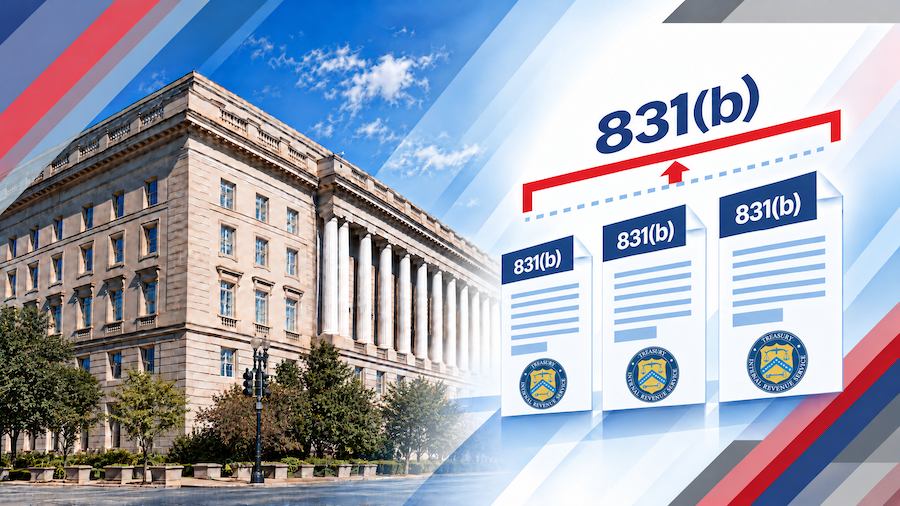
The Internal Revenue Service (IRS) has announced a key adjustment to the premium limit for the Section 831(b) small insurance company election, raising it to $3 million for taxable years starting in 2027.
The latest increase from $2.9 million in 2026 is part of the IRS's annual inflation adjustment efforts, detailed in Revenue Procedure 2026-35. Although the news release on November 5 addresses nearly 70 tax provisions, it doesn't explicitly mention Section 831(b), which remains a critical tax feature for small insurance entities. Known for providing significant tax relief, Section 831(b) allows small insurance companies, excluding life insurers, to be taxed only on their taxable investment income. To qualify, a company’s net or direct written premiums must not exceed the premium limit, a feature particularly beneficial to the owners of small captives or micro captives.
Section 831(b) has evolved since the Protecting Americans from Tax Hikes Act of 2015 increased the limit from $1.2 million to $2.2 million in 2017 and introduced annual inflation-based adjustments. Additionally, the 2015 legislation introduced diversification requirements for companies electing this tax treatment. These regulatory changes have aimed to curb the misuse of the election while supporting legitimate small insurance operations. Insurance professionals involved in managing or advising captives should note that if an entity’s premiums surpass the set threshold in any given taxable year, the company becomes ineligible for the election in that year.
Important Considerations for Small Insurance Companies
- Premium Limit Adjustment: Rise to $3 million effective 2027.
- Eligibility Criteria: Must not exceed net or direct written premiums limit.
- Tax Implications: Companies taxed only on taxable investment income.
- Legislative History: Adjustments tied to inflation per 2015 Tax Hikes Act.
For insurance professionals, the increase underscores the importance of strategic planning in premium restructuring and tax compliance to maintain election eligibility. As captives continue to be a strategic component in risk management and financial planning, staying informed about these regulatory shifts is crucial in ensuring robust compliance and optimizing fiscal strategies.