
Enrollment Drop in ACA Individual Health Insurance Plans
U.S. enrollment in individual health insurance plans, including those under the Affordable Care Act (ACA), dropped by 18% to 20.5 million members in June, marking the largest annual decrease since 2015.
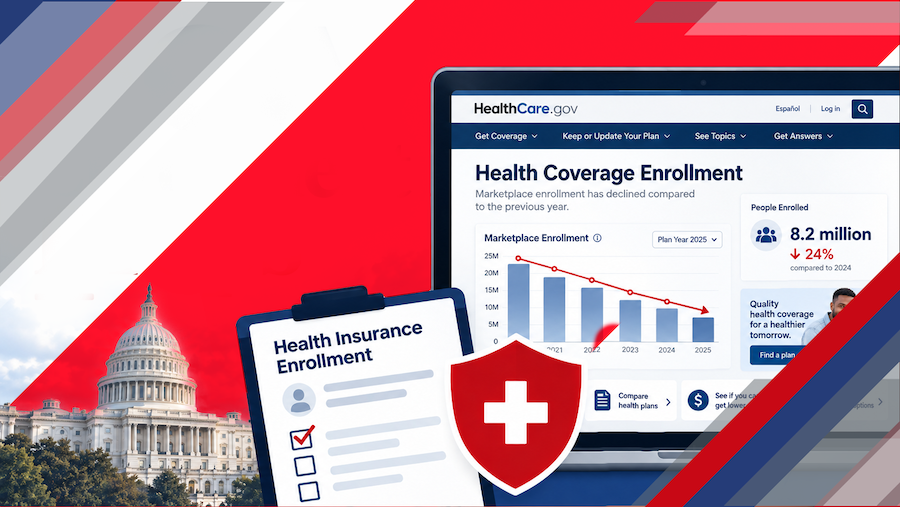
This decline, highlighted by a report from health policy research firm KFF, reflects growing challenges for policyholders as health insurance premiums rise. Enrollment figures stood at 25.2 million during the same time the previous year. The Affordable Care Act, known for offering income-based government-subsidized plans or "Obamacare," has been under pressure following the expiration of additional COVID-19-related subsidies. While these subsidies had temporarily lowered costs, their expiration has left some members facing significantly higher premiums, reportedly doubling or even tripling for certain participants.
Impact on Insurers and Policyholders
The fall in ACA enrollments has broad implications for both the insurance industry and individual policyholders. Insurers such as Centene and UnitedHealth have already expressed concern over rising medical costs within their ACA segments. They’ve responded by seeking a median premium rate increase of 14% this year, the second-largest hike in nearly a decade. The necessity for this increase is tied to an evolving enrollment demographic—sicker or higher-risk patients are joining, increasing the financial burden on insurers.
- 20 million remain dependent on ACA plans, yet 17% of them doubt their ability to pay premiums for the rest of the year.
- KFF projects enrollment will continue to decrease through 2026.
- Insurers cite challenging demographics as a key reason for premium hikes.
Looking Ahead: Challenges and Opportunities
KFF’s analysis reveals various individual health insurance options, including those outside ACA governance, such as short-term coverage. This complex landscape poses a strategic question for insurers and policymakers on how to balance affordability with accessibility. As U.S. Health and Human Services Secretary Robert F. Kennedy Jr. noted, approximately 20 million individuals currently depend on ACA plans, underscoring the importance of these programs.
Insurance professionals must stay informed about regulatory changes and consumer behavior trends to align their strategies effectively. The insurance sector might explore innovative coverage solutions or targeted policy interventions to maintain customer engagement amid fluctuating market conditions. With aggressive premium hikes on the horizon, the capacity to adapt and respond to changing consumer needs will be crucial for sustained success in this competitive domain.