
Homeowners Insurance and Dog Bite Liability: Why Umbrella Coverage is Essential
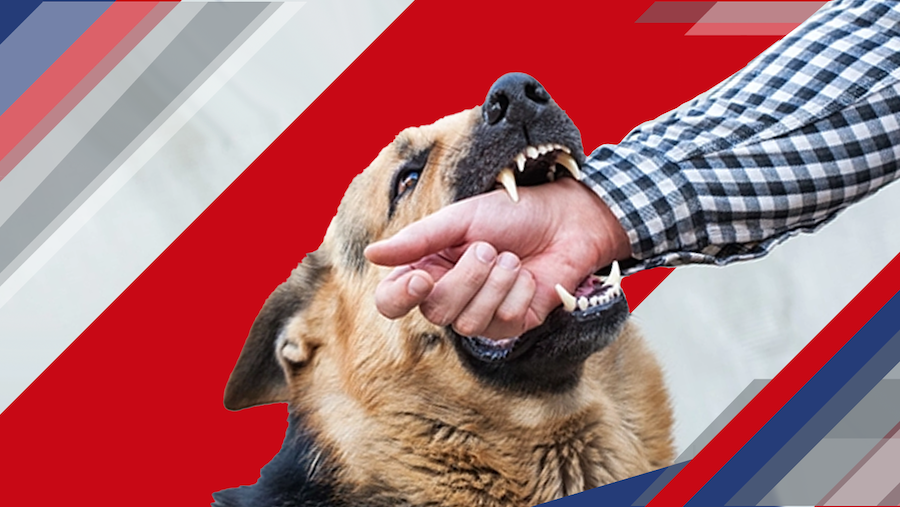
Rising dog-related injury claims are exposing a potentially costly gap between the liability protection affluent retirees assume they have and the coverage their homeowners policies actually provide.
For retirees with a paid-off home, investment accounts, savings, rental property, or other accumulated assets, a serious liability claim can threaten decades of financial planning. Dog bites are a highly visible example, but the exposure also includes injuries caused when a dog knocks someone down, startles a cyclist, chases a pedestrian, or causes another type of accident without biting anyone.
An analysis by the Insurance Information Institute and State Farm found that homeowners insurers paid approximately $1.86 billion for 28,450 dog-related injury claims in 2025. The number of claims increased 25.6 percent from 2024, while total claim costs rose 18.6 percent.
The average cost was $65,450 per claim. Although that figure is below the liability limit on many homeowners policies, averages can obscure the financial impact of severe injuries, lengthy medical treatment, lost income, litigation, and large judgments. The average claim cost has risen 97 percent since 2016, illustrating how quickly liability severity has changed.
Why Retirees Can Be Especially Exposed
Retirees may have fewer working years available to rebuild wealth after an uncovered loss. A person who has accumulated substantial home equity and retirement savings can also present a more attractive recovery target than someone with few accessible assets.
Legal protections for retirement accounts, homes, trusts, and jointly owned property vary by state and by the circumstances of a claim. Clients should not assume that every asset is automatically protected simply because it is associated with retirement. Insurance professionals should avoid offering legal conclusions, but they can identify the coverage issue and encourage clients to coordinate with qualified legal and financial advisers.
A retiree's lifestyle may introduce additional liability exposures. Frequent visitors, grandchildren, home health workers, domestic employees, delivery drivers, contractors, pools, golf carts, rental homes, and volunteer activities can all change the liability profile. Adding a dog to that environment makes a comprehensive review more valuable than a conversation focused solely on property replacement costs.
The Homeowners Policy Is the Starting Point
Homeowners and renters policies commonly provide liability protection for covered dog-related injuries, including certain legal expenses, subject to policy terms and limits. Typical personal liability limits are often between $100,000 and $300,000, although higher options may be available.
Coverage is not universal. An insurer may restrict or exclude coverage based on a dog's history, classification, or other underwriting factors. Some carriers evaluate individual animals, while others apply broader eligibility rules. A prior incident can result in higher premiums, additional requirements, an animal liability exclusion, or nonrenewal.
Agents should review the complete policy and endorsements rather than relying on assumptions about standard coverage. If the homeowners contract excludes the animal entirely, purchasing an umbrella policy may not repair the gap. Many umbrella contracts follow underlying coverage requirements or contain exclusions of their own.
A Claim Does Not Have to Involve a Bite
The industry's claim figures include dog bites and other dog-related injuries. A large dog that jumps on a guest, a loose pet that causes a fall, or an animal that runs into the path of a bicycle can produce substantial medical and liability costs.
That distinction matters during client conversations. Asking only whether a dog has bitten anyone may overlook previous aggressive behavior, escape incidents, complaints, or accidents that could affect underwriting. It may also leave clients with the mistaken impression that bite prevention is the only risk-management concern.
State law further complicates the exposure. Depending on the jurisdiction, liability may arise under a strict dog-bite statute, a rule based on the owner's knowledge of dangerous behavior, or ordinary negligence principles. Provocation and other defenses can affect an individual case, but owners should not assume they receive one consequence-free incident before liability applies.
“Prevention starts with understanding how dogs communicate and teaching children how to interact with them safely.”
Where Umbrella Coverage Fits
A personal umbrella policy can provide additional liability and defense protection after covered underlying homeowners or auto limits are exhausted. It may also cover certain personal liability situations not covered by a primary policy, depending on the contract.
That additional limit can be particularly important for clients whose net worth or future income exceeds their primary liability protection. Umbrella limits commonly begin at $1 million, but an appropriate amount depends on the household's assets, activities, family circumstances, and potential exposures.
An umbrella is not an all-purpose guarantee. Carriers generally require specified underlying liability limits, and exclusions may apply to business activities, intentional acts, certain vehicles, rental exposures, or animals. Policyholders must also provide complete and accurate underwriting information. A dog omitted from an application or excluded by the contract can create a serious problem when a claim occurs.
A More Useful Client Review
For agencies, dog ownership provides a natural entry point into a broader personal liability discussion. The goal is not to alarm the client. It is to connect the household's current assets and activities with the limits and exclusions actually shown in the insurance program.
A focused review can address several practical questions:
- What personal liability limit appears on the homeowners declarations page?
- Does the policy contain an animal or breed-related exclusion?
- Have all dogs and prior incidents been disclosed to the insurer?
- Would an umbrella recognize the underlying animal liability coverage?
- Do household assets and activities justify a higher umbrella limit?
- Have recent lifestyle, property, or household changes altered the exposure?
Documenting the discussion is important, particularly when a client declines higher limits or umbrella coverage. Agencies can also establish renewal workflows that ask about new pets, animal incidents, household residents, rental properties, recreational vehicles, pools, domestic workers, and other material changes.
Implications for Carriers and Agencies
For carriers, the increase in dog-related claims adds pressure to underwriting, pricing, loss-control, and product design. The challenge is to distinguish manageable household risks from histories or conditions that materially increase expected severity. Clear questions, understandable exclusions, and consistent underwriting standards can reduce surprises for both policyholders and distribution partners.
Agencies have an opportunity to move the conversation beyond whether a client owns a particular breed. An individual dog's history, training, supervision, living environment, and exposure to children or visitors may be highly relevant. Carrier rules still control eligibility, but more complete information can support better placement and fewer coverage misunderstandings.
There is also a retention benefit. A thoughtful liability review demonstrates that the agency understands the client's broader financial situation rather than treating homeowners insurance as a routine renewal transaction. For affluent retirees, protecting accumulated assets can be as important as insuring the home itself.
Prevention Remains Part of the Coverage Conversation
Insurance is only one part of managing animal liability. Secure fencing, reliable leashes, careful supervision around children, appropriate training, and attention to signs of fear, pain, or stress can help reduce the likelihood of an incident. Pet owners should also consider how their animals react to visitors, delivery workers, unfamiliar environments, and other pets.
The rise in dog-related claim frequency gives insurance professionals a timely reason to revisit liability limits and exclusions with clients. For retirees with meaningful assets, the most important question is not simply whether a homeowners policy includes liability coverage. It is whether the full insurance program would respond adequately if an ordinary household incident became an extraordinary financial loss.