
Lottery Winner's Financial Journey: From $1 Million Prize to Homeownership
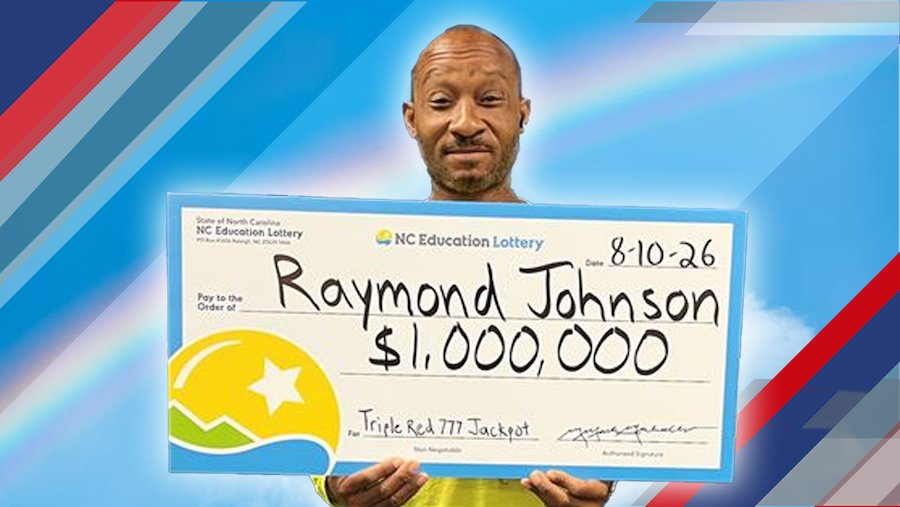
A $10 scratch-off ticket bought in Harnett County turned into a $1 million win, a new-home opportunity, and the kind of sudden financial change that should immediately put insurance planning on the agenda.
For Raymond Johnson of Bunnlevel, North Carolina, the moment arrived on his front porch. Johnson was scratching a Triple Red 777 Jackpot ticket when he discovered he had won one of the game's $1 million top prizes. The timing was especially meaningful. His family had been house-hunting just before the win, and Johnson told the North Carolina Education Lottery that he planned to use the money toward a house and a vehicle for his family. :contentReference[oaicite:0]{index=0}
It is an uplifting story on its own. For insurance professionals, though, it is also a useful reminder that sudden wealth rarely changes just one line on a household balance sheet. A new home, a new vehicle, additional savings, more valuable possessions, and greater assets to protect can all change a client's risk profile almost overnight.
A Lucky Ticket Arrives at Exactly the Right Time
Johnson purchased the winning ticket at Super Save on N.C. 27 West in Lillington. According to the lottery, he selected the ticket largely on instinct. Soon afterward, a routine Sunday on the porch became a financial turning point for his family.
“It just so happens that yesterday was my lucky day.”
The story becomes particularly interesting because the money already had a potential destination. Johnson's family had been looking at a house, and the winnings could now make that goal much more attainable. He also plans to purchase a vehicle. :contentReference[oaicite:1]{index=1}
For agents, these are exactly the kinds of life events that can justify a broader conversation. Homeownership changes property exposures. A vehicle purchase changes auto exposures. An increase in assets can change appropriate liability limits. New purchases can create personal property coverage questions. Even existing life insurance and beneficiary arrangements may deserve another look when a family's financial circumstances change.
The $1 Million Prize Did Not Mean $1 Million in Cash
When Johnson arrived at lottery headquarters in Raleigh, he faced a familiar decision for large-prize winners. He could receive the advertised prize through $50,000 annual payments over 20 years, or take a $600,000 lump-sum payment immediately. He chose the lump sum.
After required tax withholdings, Johnson received $432,063. North Carolina's individual income tax rate for tax years after 2025 is 3.99 percent, while federal rules generally require 24 percent withholding on qualifying lottery winnings. Importantly, withholding is not necessarily the same thing as a winner's final tax obligation. The IRS notes that gambling winnings are taxable income and that additional estimated tax payments may sometimes be necessary. :contentReference[oaicite:2]{index=2}
| Option | Structure | Result |
|---|---|---|
| Annuity: structured payout across twenty years. | Schedule: $50,000 paid annually before applicable taxes. | Tradeoff: steadier income with less immediate liquidity. |
| Lump sum: immediate cash at reduced prize value. | Gross: $600,000 paid once before required withholding. | Johnson: received $432,063 after required tax withholdings. |
That distinction matters well beyond lottery stories. A headline number is not necessarily the amount a household has available to spend, invest, or protect. For advisors of every kind, including insurance professionals, understanding the client's actual post-tax financial position is more useful than reacting to the headline value of the windfall.
Why a New Home Should Trigger More Than a Homeowners Quote
If Johnson follows through on his home purchase, homeowners insurance will naturally become part of the transaction. Most mortgage lenders require coverage, but an agent's value goes well beyond satisfying a lender's insurance requirement. The more important conversation is whether the property and the family's financial position are being protected appropriately. :contentReference[oaicite:3]{index=3}
Replacement Cost Is Not the Purchase Price
One of the easiest misunderstandings for a new homeowner is assuming that a home's insurance limit should simply match what was paid for the property. The two figures measure different things. Market value includes factors such as land and local real estate demand, while replacement cost focuses on what it could cost to rebuild damaged property using materials of similar kind and quality. :contentReference[oaicite:4]{index=4}
That gives an agent an opportunity to explain dwelling limits, deductibles, replacement cost versus actual cash value, additional living expense coverage, and any endorsements that may be appropriate. It also creates an opening to discuss exposures homeowners sometimes assume are included automatically.
Flood is a prime example. Standard homeowners policies generally do not provide flood coverage, so consumers exposed to flooding may need a separate flood insurance solution. A new home purchase is a natural time to discuss that distinction before the client discovers it after a loss. :contentReference[oaicite:5]{index=5}
The Home Inventory May Suddenly Look Very Different
Financial windfalls also tend to create purchases. New furniture, electronics, jewelry, collectibles, equipment, or other higher-value possessions can quickly change a household's personal property exposure.
Standard homeowners insurance can contain special limits for certain categories of valuable property. Depending on the item and policy, scheduled personal property coverage or a separate endorsement may provide more appropriate protection. The NAIC also recommends maintaining and periodically updating a home inventory, including photographs or video and records of significant purchases. :contentReference[oaicite:6]{index=6}
A New Vehicle Creates Another Coverage Conversation
Johnson also said he plans to purchase a vehicle for his family. That sounds straightforward, but a vehicle upgrade can change more than the premium.
A newer or more valuable vehicle may warrant a fresh review of comprehensive and collision coverage, deductibles, liability limits, uninsured and underinsured motorist protection, and any loan or lease-related considerations. Auto insurance protects both the vehicle and the household's financial position when an accident creates liability for injuries or property damage. :contentReference[oaicite:7]{index=7}
This is where agents can move the conversation away from simply asking, “What does the new car cost to insure?” A better question is, “Now that your assets and vehicle have changed, does the rest of your protection still fit?”
More Assets Can Mean More Liability Exposure
A sudden increase in financial assets can make liability limits more consequential. State-required minimum auto limits or relatively modest homeowners liability limits may have felt adequate when a client had fewer assets. That calculation can change when the household acquires a home, cash savings, investments, or other significant property.
“As your asset portfolio grows, your insurance company or agent may suggest an umbrella policy for better protection.”
Personal umbrella insurance is designed to provide additional liability protection above underlying policies such as homeowners and auto insurance, subject to the policy's terms and requirements. It can also help with certain defense costs and covered liability claims after applicable underlying coverage is exhausted. :contentReference[oaicite:8]{index=8}
An umbrella policy will not be the right answer for every household, but a major increase in assets is a sensible reason to evaluate whether existing liability limits still reflect the client's circumstances.
The Agent's Opportunity Is a Full Life-Event Review
Stories like Johnson's illustrate why insurance reviews are often more effective when they are tied to life events rather than renewal dates. Clients do not necessarily think in policy lines. They think about buying the house, bringing home the car, helping their family, and deciding what to do with new money.
The agency's job is to translate those changes into risk questions. A thoughtful conversation after a financial windfall could include:
- Home: Recalculate dwelling needs based on rebuilding cost, not purchase price.
- Auto: Review physical damage, deductibles, liability limits, and uninsured motorist protection.
- Liability: Compare growing household assets with current home and auto limits.
- Property: Identify jewelry, collectibles, electronics, or other items needing special treatment.
- Life: Revisit beneficiaries and coverage needs after major financial changes.
The important point is not to treat a windfall as an excuse to sell everything available. The better approach is diagnostic. What changed? What new exposures were created? Which old assumptions no longer apply? Where might a coverage gap become more expensive now that the household has more to protect?
Insurance Professionals Should Coordinate, Not Compete, With Financial Planning
A large lump-sum payment also highlights the limits of the insurance professional's role. Tax planning, investment decisions, estate planning, debt repayment, and long-term cash management may require qualified professionals in those disciplines.
Federal investor education guidance encourages recipients of lump-sum windfalls to consider emergency reserves and careful financial planning rather than rushing into investment decisions. The IRS similarly makes clear that required withholding on gambling winnings does not necessarily settle the recipient's ultimate tax responsibility. :contentReference[oaicite:9]{index=9}
For an independent agency, that creates an opportunity to be part of a broader advisory team. A trusted agent can coordinate coverage questions with the client's accountant, financial professional, attorney, mortgage professional, or other advisors while staying firmly within the insurance role.
What Agencies and Carriers Can Take From the Story
Johnson's win is unusual, but the insurance lesson is not. Clients experience financial changes every day through inheritances, business sales, promotions, bonuses, home purchases, settlements, retirement distributions, and other events. The size of the change may differ, but the coverage-review opportunity is similar.
Agencies can build service processes around those moments. Instead of relying entirely on annual renewal reviews, account teams can identify major household changes and ask a small number of practical questions about property, vehicles, assets, family responsibilities, and liability exposure.
Carriers can support that approach with clearer life-event messaging, easier cross-line reviews, updated replacement-cost tools, personal umbrella education, and workflows that help agents identify changes without turning every service interaction into a sales pitch.
That last point matters. A family celebrating a new home or financial breakthrough does not need a lecture about everything that could go wrong. They need someone who can calmly identify what has changed, explain the choices, and help make sure the protection keeps pace with the progress.
The Bigger Insurance Lesson Behind a Million-Dollar Win
For Raymond Johnson and his family, a lucky ticket may help turn a recent house hunt into a home purchase and put a new vehicle in the driveway. Those are exciting changes, and they are exactly the kinds of changes insurance is meant to follow.
The takeaway for agents, agencies, and carriers is simple: wealth creation and risk protection should not operate on separate tracks. When a client's financial life changes meaningfully, the insurance conversation should change with it.
Lottery wins will always make headlines because they happen in an instant. Good insurance planning is quieter. It happens in the conversations that follow, when someone helps a client recognize that having more opportunities, more property, and more assets can also mean having more worth protecting.