
140-Mph Tornado Exposes the Midwest’s Growing Insurance Risk
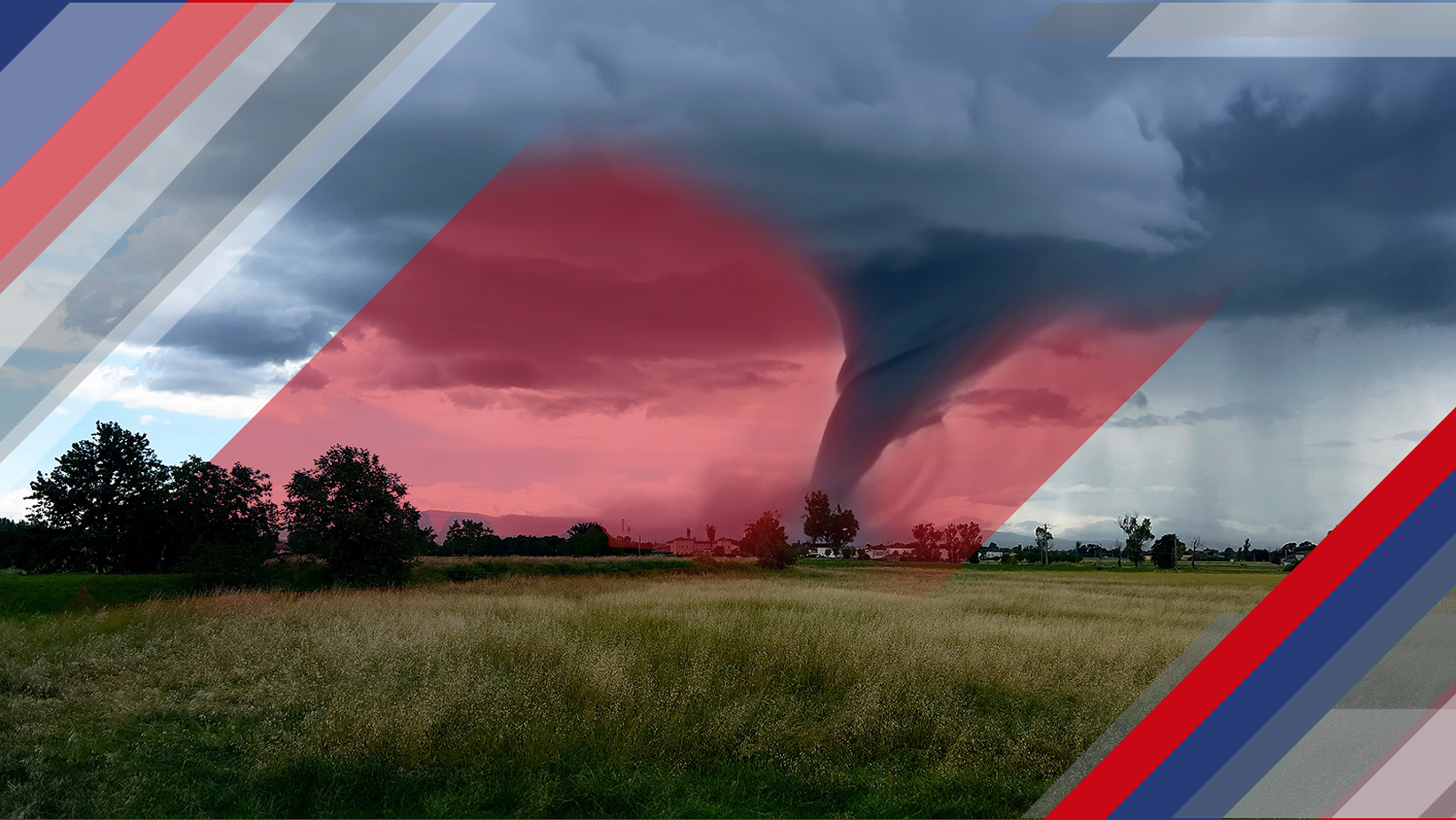
When an EF-3 tornado tore away half of Bianca’s Wisconsin roof and nearly destroyed her car, surviving the storm became the first concern and understanding her insurance became the next.
A 140-Mph Tornado Exposes the Midwest’s Growing Insurance Challenge
The sky over northeastern Wisconsin turned black as the tornado moved through Appleton, Fox Crossing and Menasha on July 27. Branches struck buildings, roofs collapsed, vehicles were overturned and power lines became tangled in debris.
The National Weather Service rated the tornado an EF-3, with estimated peak winds of approximately 140 mph. It remained on the ground for about 26 minutes, traveled more than 12 miles and widened to approximately 1,500 yards at its broadest point.
For residents in the tornado’s path, those measurements were not abstract weather statistics. They represented bedrooms filled with broken glass, vehicles crushed by falling debris, businesses ripped apart and families suddenly unable to safely occupy their homes.
“I feel like I should have died, but we didn’t. Half of the whole roof is gone.”
Bianca, Menasha-area tornado survivor
Remarkably, the storm produced no reported deaths. Local authorities said the midday timing may have helped because many residents were awake, warnings had been issued and numerous people were at workplaces with established shelter procedures.
That fortunate outcome does not diminish the scale of the property loss. It does, however, give insurance professionals an opportunity to show clients how preparedness, policy design and rapid claims communication work together after a severe weather event.
Severe Storm Losses Are No Longer a Secondary Concern
Tornadoes attract attention because of their concentrated destruction, but the larger insurance problem includes hail, straight-line wind and severe thunderstorms. Together, these events are commonly classified as severe convective storms.
These storms caused approximately $51 billion in U.S. insured losses during 2025. That marked the third consecutive year in which insured severe convective storm losses exceeded $50 billion, placing the peril among the industry’s most persistent catastrophe challenges.
Hail is responsible for a particularly large share of claims. Roofs, siding, gutters, windows, vehicles and outdoor equipment can all be damaged across a wide geographic area, even when a tornado touches down only briefly or misses a community entirely.
The financial pressure is not driven by weather alone. Higher construction costs, more expensive building materials, labor shortages, larger homes, increased property values and continued development in exposed areas can all increase the ultimate cost of a storm.
For carriers, repeated losses affect catastrophe modeling, reinsurance expenses, underwriting requirements and rate needs. For agencies, they create more difficult renewal conversations with clients who may have never considered the Midwest a high-cost catastrophe market.
A Covered Tornado Can Still Produce Coverage Surprises
Wind and tornado damage are typically included within standard homeowners coverage, subject to the policy’s terms, exclusions, limits and deductible. The presence of coverage, however, does not mean every damaged item will be repaired or replaced without an out-of-pocket expense.
One of the most consequential distinctions involves replacement cost and actual cash value. Replacement cost coverage generally pays the cost of repairing or replacing covered property with materials of similar kind and quality, up to applicable limits. Actual cash value subtracts depreciation for age, condition and useful life.
That difference can become significant when an older roof is damaged. A homeowner may expect the policy to pay for a new roof, only to discover that an endorsement settles roof damage on an actual cash value basis or uses an age-based payment schedule.
Policies may also contain separate wind or hail deductibles, cosmetic-damage exclusions, matching limitations or restrictions affecting exterior surfaces. These provisions can materially change the amount a homeowner receives after a storm.
This is where a proactive agent can prevent frustration. A brief explanation before storm season can help clients understand that a lower premium may sometimes reflect a larger deductible or more restrictive roof settlement terms.
| Coverage | Review Point |
|---|---|
| Dwelling: Repairs the home after covered wind damage. | Check: Confirm limits, deductibles and code-upgrade protection. |
| Roof: Pays according to stated loss-settlement provisions. | Check: Identify depreciation, schedules and cosmetic exclusions. |
| Contents: Covers belongings damaged by a covered peril. | Check: Verify replacement cost and inventory documentation. |
| Loss of use: Helps fund temporary living arrangements. | Check: Explain expense, dollar and time limitations. |
| Automobile: Comprehensive coverage responds to storm damage. | Check: Liability-only policies generally provide no protection. |
The Car in the Driveway Requires Its Own Coverage
Bianca’s experience also illustrates an important distinction that policyholders may overlook. Damage to a vehicle is not covered by the homeowners policy simply because the same tornado damaged the house.
Storm-related vehicle damage generally falls under comprehensive auto coverage. Comprehensive coverage can respond when a vehicle is damaged by wind, hail, falling trees, flying debris or other noncollision events, subject to the applicable deductible and policy terms.
A customer carrying only liability coverage may have no insurance protection for damage to their own vehicle. That can produce an expensive surprise when a paid-off or older vehicle is parked outside during a major storm.
Agents can use seasonal reviews to ask where vehicles are normally parked, whether the household could afford an unexpected replacement and whether removing comprehensive coverage still makes financial sense.
Temporary Housing Can Become a Major Part of the Claim
A home does not need to be completely destroyed to become uninhabitable. Structural instability, exposed wiring, broken windows, water intrusion, fallen trees or the loss of essential utilities may force a family to relocate while repairs are evaluated and completed.
Many homeowners policies include additional living expense coverage, sometimes called loss-of-use coverage. It may reimburse reasonable costs above the household’s normal expenses, such as temporary lodging, additional meal expenses, laundry costs or certain transportation expenses.
The distinction between total expenses and additional expenses matters. A policyholder will generally continue paying ordinary obligations such as a mortgage. Coverage is intended to address the reasonable increase created by the displacement, subject to the policy’s dollar and time limitations.
Clients should be encouraged to save hotel bills, restaurant receipts, rental agreements and other records. Agents can also help families understand the authorization process before they commit to an extended stay or a costly temporary rental.
The First Hours Can Shape the Entire Claims Experience
Once emergency officials determine that it is safe to return, policyholders should document damage before removing debris or beginning permanent repairs. Photographs and videos should capture wide views of each affected area as well as close-up images of damaged property.
Reasonable temporary measures, such as covering an opening with a tarp or boarding a broken window, may help prevent additional damage. Homeowners should preserve receipts for materials and emergency services and avoid disposing of damaged property until the adjuster provides guidance.
“If you experienced any damage, it’s important to notify your insurance agent or company right away to begin the claim process.”
Nathan Houdek, Wisconsin Insurance Commissioner
Rapid reporting allows carriers to establish the claim, assign adjusters, identify urgent housing needs and begin coordinating inspections. It also gives agents an early opportunity to explain deductibles, coverage sections and the documentation the policyholder should begin collecting.
Catastrophes can also attract unlicensed contractors, aggressive solicitors and repair proposals that exceed the work actually required. Agencies can remind clients to verify credentials, obtain written estimates, avoid large advance payments and speak with the adjuster before signing contracts that assign insurance benefits to another party.
Five Questions for the Next Storm-Season Review
- What deductible applies? Confirm whether wind or hail losses carry a separate flat or percentage deductible.
- How will the roof be valued? Identify replacement cost, actual cash value, age schedules and exterior-surface endorsements.
- Is the rebuilding limit current? Review construction costs, renovations, inflation protection and ordinance-or-law coverage.
- Can the family relocate? Explain additional living expense limits, reimbursement rules and documentation expectations.
- Are the vehicles protected? Verify comprehensive coverage and discuss the household’s ability to absorb an uninsured loss.
Carriers Face Both a Claims Challenge and a Communication Opportunity
For carriers, a tornado that damages homes, businesses and vehicles within minutes requires coordinated catastrophe response across multiple lines of coverage. Early deployment of adjusters, mobile claims units, temporary-housing assistance and reliable repair networks can reduce uncertainty for policyholders.
Clear communication is equally important. Customers need to understand which adjuster is handling each claim, what information is required, whether temporary repairs are authorized and how payment will be issued.
Carriers can also use claims data to identify recurring loss patterns. Roof age, construction type, building-code adoption, tree exposure and the use of impact-resistant materials can help inform underwriting, mitigation programs and potential premium incentives.
The goal is not simply to price for the next storm. It is to reduce the severity of future losses while preserving access to meaningful coverage in communities that increasingly face damaging wind and hail events.
The Agent’s Role Begins Before the Warning Siren
After a tornado, policyholders rarely begin by asking about endorsement language. They ask whether their family can remain in the home, where they will sleep, who can remove the tree and whether they can afford to repair what was damaged.
The most effective insurance conversations connect those immediate concerns to the coverage decisions made months or years earlier. Deductibles, roof valuation, comprehensive auto coverage and temporary-housing limits become real when a client is standing beside a damaged home.
That makes severe-weather preparation more than an annual reminder to check batteries and identify a safe room. It is also an opportunity to update property values, document possessions, review policy changes and make sure clients understand how their coverage will respond.
The Wisconsin tornado left a visible path through neighborhoods and businesses, but its insurance implications extend throughout the Midwest. For agents, agencies and carriers, the lesson is practical: frequent storm losses require clearer policy conversations, stronger mitigation efforts and faster support when a client’s ordinary day suddenly becomes a catastrophe.