
Forecast: ACA Premium Rates Expected to Rise 14% by 2027
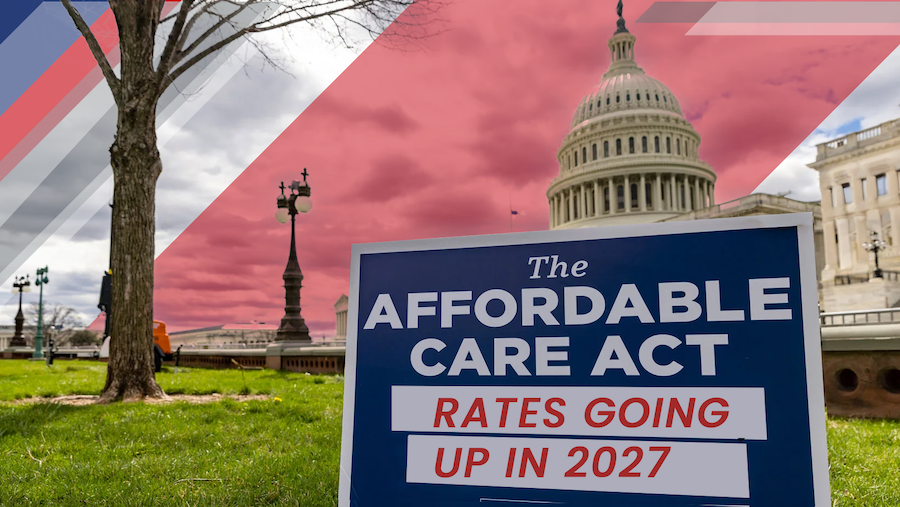
ACA Marketplace premiums may be heading toward another year of double-digit increases, but the effect will look very different for subsidized consumers, unsubsidized consumers, carriers and taxpayers.
A 14% Increase Is a Warning, Not a Final Rate
Preliminary filings from ACA Marketplace insurers point to a median proposed premium increase of approximately 14% for 2027. Most of the insurers included in the early filings are requesting increases between 10% and 20%, while a meaningful number are seeking increases above 20%.
These figures should not be interpreted as a final nationwide average. They are preliminary requests from participating insurers in a limited number of states and the District of Columbia. State and federal regulators will review the underlying assumptions, and approved increases may differ from the initial filings.
Even so, the filings are an important market signal. If the proposed increases largely hold, gross Marketplace premiums for many insurers could rise by more than one-third between 2025 and 2027.
“The rate review process is designed to improve insurer accountability and transparency.”
Centers for Medicare & Medicaid Services
What Is Driving the Increase
The premium pressure is not coming from a single ACA provision. Insurers are pointing to a combination of medical cost growth, prescription drug spending, changes in enrollment and federal policy adjustments.
Medical Costs Are Rising Faster
Insurers expect the underlying cost of medical care and prescription drugs to increase by roughly 10% for 2027, compared with average growth closer to 8% during the previous several years.
Hospital services, physician care and specialty medications remain major contributors. Higher provider wages, labor shortages and general inflation are also flowing into negotiated reimbursement rates. For carriers, medical trend reflects both the price of each service and how frequently members use those services.
GLP-1 medications and other specialty drugs add another layer of uncertainty. These treatments can produce meaningful clinical benefits, but their high costs and rapidly expanding use create difficult forecasting questions for plans developing rates more than a year in advance.
The Risk Pool Is Changing
The expiration of the enhanced pandemic-era premium tax credits at the end of 2025 changed the affordability calculation for millions of consumers. People with incomes above 400% of the federal poverty level lost access to premium assistance, while many lower-income enrollees continued to qualify under the original ACA subsidy structure.
Early 2026 data suggests that younger and healthier consumers were more likely to leave the Marketplace or decline to complete their enrollment. When healthier members exit at a faster rate, the remaining population may have higher average claims costs. Carriers must reflect that expected morbidity change in future pricing.
This creates a familiar insurance cycle. Higher premiums encourage healthier people to reconsider coverage, a less healthy risk pool increases average claims costs, and those costs place additional pressure on the next round of premiums.
Subsidies Change Who Feels the Increase
ACA premium tax credits are generally calculated using household income and the cost of a benchmark silver plan in the enrollee’s area. In many cases, the federal government advances the credit directly to the insurance carrier, and the consumer pays the remaining portion of the monthly premium.
That structure can shield eligible consumers from much of a gross premium increase. When the benchmark premium rises, the tax credit may also rise, depending on the enrollee’s income, location and chosen plan.
In 2025, approximately 92% of Marketplace consumers nationwide selected coverage with an advance premium tax credit. The average monthly premium before the credit was about $619, while the average amount paid after the credit was approximately $113.
The picture changed in 2026 after the enhanced credits expired. The share of Marketplace consumers receiving premium tax credits declined to approximately 87%, and average monthly enrollee payments increased from $113 to $178. That represents an increase of about 58%, even though many consumers switched plans to limit the increase.
“Most Marketplace enrollees are largely protected from the premium increases because they still qualify for ACA subsidies.”
KFF analysis of preliminary 2027 rate filings
Lower Premiums Can Mean Higher Deductibles
Consumers do not always respond to premium increases by dropping coverage. Many move to plans with lower monthly premiums and greater out-of-pocket exposure.
That behavior became particularly visible in 2026. Bronze plan selections increased substantially, while silver plan enrollment fell to a record-low share of Marketplace selections. Average deductibles rose by approximately 37%, from $2,759 in 2025 to $3,786 in 2026.
For agents, this makes the enrollment conversation more complicated than comparing monthly prices. A consumer may successfully reduce the premium increase but take on thousands of dollars in additional exposure when using medical services.
Silver plans also carry special importance for eligible lower-income consumers because cost-sharing reductions are generally available only through qualifying silver coverage. Moving such a consumer into a bronze plan may lower the monthly payment while eliminating valuable reductions in deductibles, copayments and coinsurance.
The Taxpayer Exposure Is Growing
Premium subsidies protect household budgets, but they do not eliminate the underlying cost increase. They transfer a larger portion of that increase to federal spending.
Policy analysts have raised questions about whether the subsidy formula weakens the connection between gross premiums and what most enrollees personally pay. When a consumer’s required contribution is tied primarily to income, a large premium increase may be absorbed mostly through a larger federal tax credit.
The Paragon Health Institute has illustrated this concern using a representative 50-year-old enrollee earning approximately 200% of the federal poverty level. Its analysis estimated that the government’s share of the benchmark premium increased from about 68% in 2014 to more than 80% by 2020, reaching approximately 93% while the enhanced credits were in effect.
That example should not be treated as the average subsidy percentage for every Marketplace enrollee. Age, income, geography, family size and local benchmark premiums can produce very different results. It does, however, demonstrate why gross premium increases remain important even when consumers are insulated from much of the immediate cost.
The Medical Loss Ratio Debate Needs More Nuance
The ACA’s medical loss ratio rules generally require individual and small-group insurers to spend at least 80% of premium revenue on clinical care and qualified quality-improvement activities. The standard is generally 85% in the large-group market. Insurers that fall below the applicable threshold may owe rebates to policyholders.
Critics argue that a percentage-based structure can reduce the incentive to control total medical spending because an insurer may earn a larger dollar margin when the overall premium base grows. Supporters respond that the rule limits excessive administrative spending and profit while ensuring that most premium dollars support care.
Both perspectives overlook an important distinction. The medical loss ratio regulates how premium revenue is allocated, but it does not directly set hospital prices, pharmaceutical prices or provider reimbursement. It also does not guarantee that every medical dollar is spent efficiently.
For carriers, sustainable affordability still depends on network strategy, utilization management, care coordination, pharmacy management, fraud prevention and effective contracting. Meeting the medical loss ratio standard is a compliance requirement, not a complete cost-control strategy.
What Insurance Professionals Should Prepare For
The practical challenge for agents and agencies will be explaining the difference between the published premium increase and the amount a particular household will actually pay. Carriers must prepare for enrollment changes, plan migration and increased scrutiny of their assumptions.
- Review income carefully: Small income changes can materially affect premium assistance.
- Compare total exposure: Evaluate premiums, deductibles, copayments and maximum out-of-pocket limits.
- Recheck networks: Lower-cost plans may include narrower hospitals and provider systems.
- Explain silver eligibility: Cost-sharing reductions may outweigh a bronze plan’s lower premium.
- Prepare for shopping: Automatic renewal may produce an unexpectedly expensive or unsuitable result.
Agencies should also anticipate increased service volume during open enrollment. Consumers who previously renewed with little assistance may need help understanding subsidy changes, comparing metal levels and determining whether their physicians and medications remain covered.
The Real Affordability Test
The 2027 filings reveal two different affordability stories. Subsidized consumers may continue to receive substantial protection from gross premium increases, while unsubsidized households can experience the full effect. At the same time, taxpayers absorb a growing portion of premium costs when benchmark rates rise.
The industry should also watch what happens after consumers enroll. A plan with an affordable monthly premium may still leave a household unable to pay its deductible, copayments or coinsurance. That can produce delayed care, coverage dissatisfaction and reputational pressure for agencies and carriers alike.
For insurance professionals, the most important number will not be the national median filing. It will be the net premium, benefits, provider access and total financial exposure attached to each consumer’s actual choices.