
Smartphone Insurance Market Set to More Than Double as Device Costs, AI Innovation, and Digital Dependence Drive Global Growth
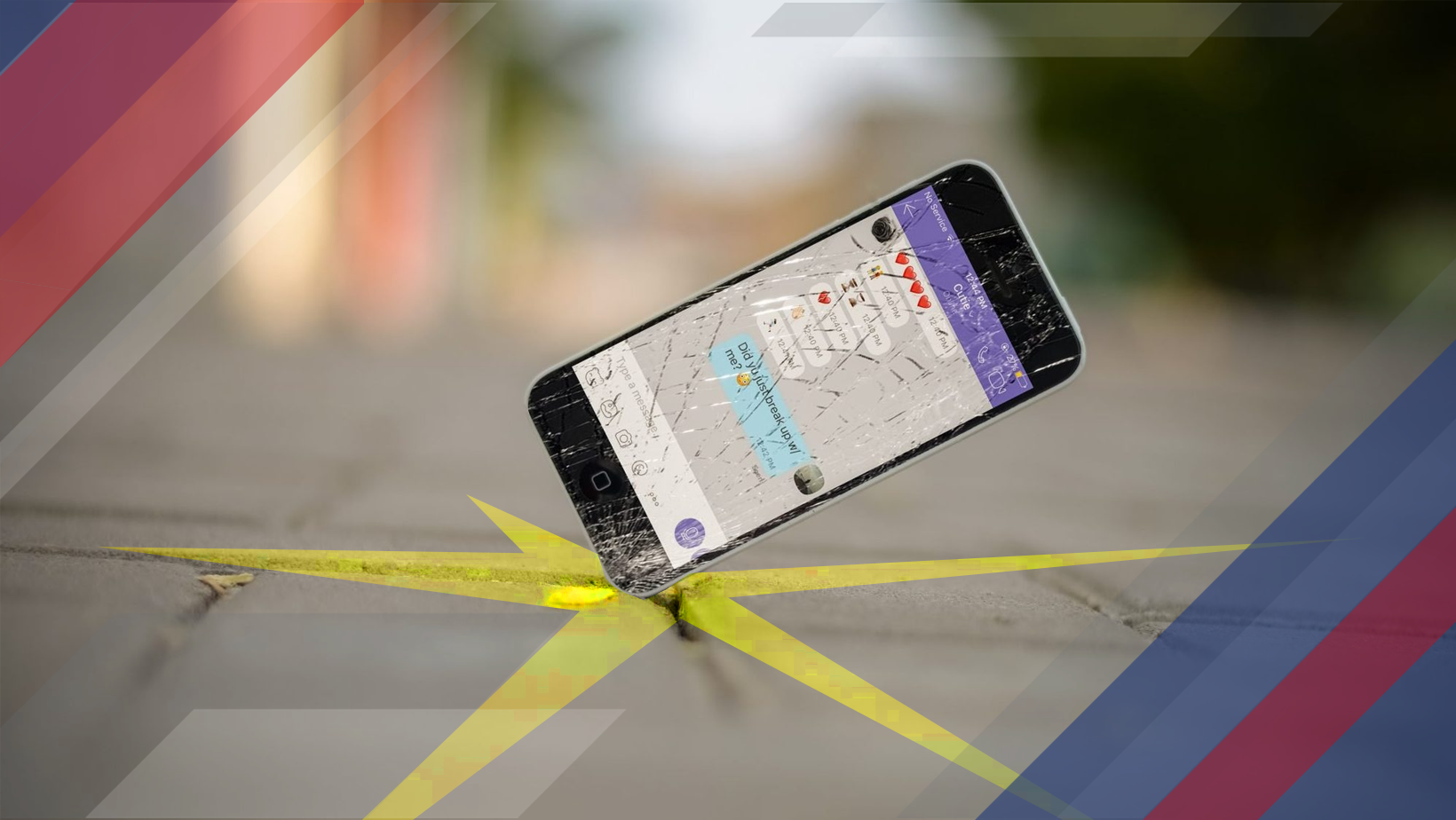
Smartphone insurance is rapidly evolving from a niche protection product into a major global insurance opportunity, with the market projected to grow from USD 32.4 billion in 2025 to approximately USD 78.1 billion by 2035.
For insurance agents, agencies, and carriers, this growth reflects more than rising smartphone ownership. It signals a broader shift in consumer behavior as mobile devices become essential tools for communication, banking, shopping, work, entertainment, and identity verification. As smartphones become more expensive and more central to daily life, consumers are increasingly seeking protection against financial losses caused by accidental damage, theft, and device failure.
The expanding smartphone insurance market presents significant opportunities for insurers looking to diversify product portfolios, strengthen customer relationships, and capitalize on embedded insurance distribution channels. At the same time, advancements in artificial intelligence and digital claims management are reshaping how carriers assess risk, process claims, and deliver customer experiences.
Why Smartphone Insurance Demand Continues to Accelerate
The economics behind smartphone ownership have changed dramatically over the past decade. Premium devices routinely cost more than many household appliances, and repair expenses continue to rise as manufacturers incorporate advanced displays, cameras, sensors, and biometric technologies.
Industry data shows that accidental drops account for roughly 70% of smartphone damage incidents. Combined with the fact that more than 60% of users experience some form of device damage within two years, consumers are becoming increasingly aware of the financial risks associated with owning high-value mobile devices.
For many individuals, replacing a damaged smartphone can represent an unexpected expense of several hundred dollars or more. Insurance products help bridge that gap by providing repair, replacement, theft recovery assistance, and other protection services that reduce out-of-pocket costs.
“The best insurance products solve real financial pain points. Smartphone coverage increasingly does exactly that for modern consumers.”
Industry Market Analysis
The Role of Premium Devices in Market Expansion
One of the most important drivers of smartphone insurance growth is the surge in premium device purchases. Consumers are investing more in flagship smartphones that feature advanced processors, foldable displays, artificial intelligence capabilities, and professional-grade cameras.
As premium smartphone purchases continue to rise, the perceived value of insurance protection increases as well. Consumers are more likely to insure a device costing over $1,000 than a lower-priced model because the financial exposure is significantly greater.
Manufacturers and retailers have recognized this trend. Device makers are increasingly integrating protection plans into the purchasing journey, making coverage a natural extension of the customer experience. Apple's introduction of an annual AppleCare+ option in 2025 is one example of how major technology companies are adapting their protection offerings to address theft, loss, and accidental damage concerns.
How Artificial Intelligence Is Transforming Smartphone Insurance
Technology innovation is not limited to the devices themselves. Insurers are increasingly leveraging generative AI and advanced analytics to improve operational efficiency and enhance customer service.
AI-powered systems can analyze customer behavior, historical claims patterns, device usage information, and fraud indicators more efficiently than traditional manual processes. These capabilities help insurers improve underwriting accuracy while delivering faster claim resolutions.
Some industry estimates suggest that AI-enabled claims workflows can reduce processing times by approximately 30%. Faster approvals and settlements contribute directly to higher customer satisfaction and stronger retention rates.
Beyond speed, AI also plays an important role in fraud detection. Sophisticated verification tools can identify suspicious claims, authenticate documentation, and flag anomalies that may require additional investigation. This helps carriers manage loss ratios while maintaining a smooth experience for legitimate policyholders.
“Artificial intelligence is helping insurers deliver faster service while improving risk management and fraud prevention.”
Insurance Technology Perspective
Regional Growth Highlights
Asia Pacific currently represents the largest regional smartphone insurance market, accounting for approximately 38.6% of global revenue and generating roughly USD 12.5 billion in annual market value. Several factors contribute to this leadership position.
Countries throughout the region continue to experience rapid digital adoption, growing smartphone penetration, expanding mobile commerce ecosystems, and increased use of digital payment platforms. As consumers become more dependent on mobile devices for daily activities, protection products become increasingly relevant.
China remains a particularly important growth market. With smartphone insurance valued at approximately USD 4.99 billion and projected to grow at an annual rate exceeding 11%, carriers and technology providers are finding substantial opportunities to expand coverage offerings. Partnerships between insurers, device manufacturers, retailers, and e-commerce platforms are helping simplify enrollment and improve accessibility.
India is also emerging as a major market, supported by rising smartphone ownership and growing awareness of protection products. Affordable insurance plans integrated directly into device purchases are helping drive adoption among a broader range of consumers.
Key Opportunities for Insurance Organizations
For agents, agencies, and carriers, smartphone insurance represents more than a standalone product line. It can serve as an entry point into broader customer relationships and digital insurance ecosystems.
Several opportunities are emerging across the market:
- Bundled protection offerings that combine device coverage with personal insurance products.
- Embedded insurance partnerships with manufacturers, retailers, and wireless carriers.
- Subscription-based protection programs that create recurring revenue streams.
- Customized plans for premium and high-value devices.
- Expanded repair network partnerships that improve customer convenience and claim outcomes.
As consumers increasingly purchase devices online, embedded insurance distribution is becoming particularly attractive. Offering coverage during the purchasing process reduces friction and can significantly improve policy adoption rates.
What the Market Means for Carriers and Agencies
The smartphone insurance segment demonstrates how insurance products are adapting to modern consumer lifestyles. Today's customers expect fast digital experiences, simple enrollment processes, transparent claims handling, and personalized coverage options.
Carriers that invest in automation, AI-driven operations, and strategic partnerships may be better positioned to capitalize on market growth while maintaining operational efficiency. Agencies can also benefit by identifying opportunities to cross-sell protection products and strengthen customer engagement through value-added services.
Market Snapshot
The following figures highlight the scale and trajectory of the global smartphone insurance market.
| Metric | Outlook |
|---|---|
| Market Size USD 32.4B in 2025 |
Growth Path Expected USD 78.1B by 2035 |
| Annual Growth Steady expansion worldwide |
CAGR Projected 9.2% over decade |
| Regional Leader Asia Pacific dominates revenue |
Market Share Approximately 38.6% globally |
The Road Ahead
The continued rise of premium smartphones, growing consumer reliance on mobile technology, and advances in digital insurance capabilities are creating favorable conditions for sustained market expansion. Smartphone insurance is increasingly viewed not as an optional add-on, but as a practical financial protection tool for devices that have become essential to everyday life.
For insurance professionals, the market's projected growth offers a compelling opportunity to engage customers through innovative products, digital distribution strategies, and technology-driven service models. As the industry continues to evolve, organizations that align protection offerings with changing consumer expectations will be well positioned to participate in one of the fastest-growing segments of the personal insurance landscape.