
USAA Offers $500 Million Dividend to Florida Policyholders Amid Tort Reforms
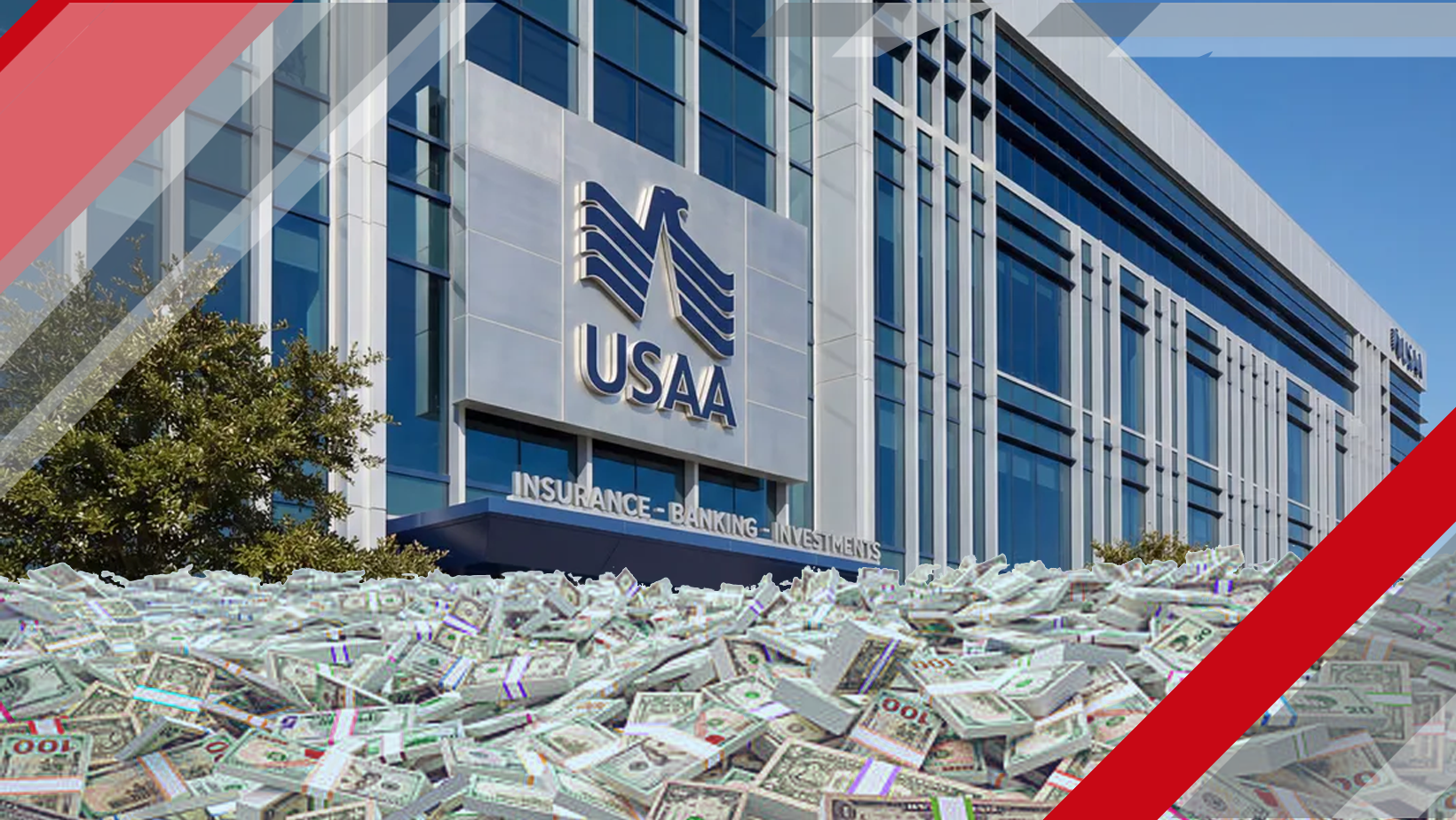
USAA’s decision to return $500 million to Florida auto policyholders is more than a customer dividend story, it is a powerful signal of how legal reform can reshape insurance markets and create measurable value for both carriers and consumers.
Approximately 830,000 eligible USAA auto insurance members in Florida are expected to receive an average payment of about $760 by June 15, 2026. The dividend represents one of the most visible examples of how reduced litigation expenses can translate into direct financial relief for policyholders. Combined with previous dividends and rate reductions, USAA says it is on track to return nearly $1 billion in savings.
For insurance agents, agencies, and carriers, the announcement offers an important case study in the relationship between legal environments, claims costs, underwriting performance, and pricing strategy. It also highlights how insurers are increasingly looking for ways to share operational gains with customers while maintaining long-term financial stability.
Why Florida’s Reforms Matter
Florida has long been one of the most challenging insurance markets in the country. For years, carriers faced elevated litigation activity, particularly involving auto and property claims. Those legal expenses often became embedded within overall loss costs, ultimately influencing premiums for consumers.
The state’s 2023 tort reform package was designed to address those pressures by modifying legal standards and reducing incentives that contributed to excessive litigation. The impact has been significant.
Auto-related lawsuits dropped dramatically, falling from roughly 24,000 cases during the second quarter of 2023 to approximately 2,600 during the same period in 2024. That decline represents a substantial reduction in defense costs, settlement expenses, and administrative burdens across the insurance ecosystem.
“These reforms are helping create a more stable and predictable insurance environment.”
Industry observers on Florida litigation trends
For carriers operating in Florida, fewer lawsuits mean more accurate risk modeling, improved reserving confidence, and a greater ability to focus resources on serving policyholders rather than managing legal disputes.
The Connection Between Litigation Costs and Premiums
Insurance professionals understand that premiums are driven by more than claims frequency and severity. Legal expenses are a significant component of overall loss costs, particularly in states with high litigation activity.
When carriers experience sustained reductions in legal expenditures, they gain flexibility. Those savings can support stronger underwriting results, reinforce capital positions, fund technology investments, or be returned to policyholders through dividends and rate adjustments.
USAA’s dividend demonstrates how those savings can flow back to consumers in a visible and meaningful way. While not every insurer operates under the same business model, the principle remains relevant across the industry: lower frictional costs create opportunities for improved customer value.
Impact Beyond Auto Insurance
The effects of Florida’s reforms are not limited to personal auto coverage. Homeowners insurance has also experienced meaningful changes.
By 2023, Florida accounted for more than 70% of the nation’s homeowners insurance litigation despite representing only a fraction of total homeowners policies nationwide. That imbalance created extraordinary pressure on carriers and contributed to market instability.
As litigation activity declined through 2024, insurers reported lower legal defense costs and improved operating conditions. While property insurance challenges remain, particularly around catastrophe exposure and reinsurance costs, reduced litigation has become an important factor supporting market stabilization.
Key Benefits for the Insurance Market
- Reduced legal defense and settlement expenses for carriers.
- Improved pricing accuracy and underwriting predictability.
- Greater capacity for dividends, credits, and rate relief.
- Enhanced insurer confidence in long-term market participation.
- Potential improvements in consumer affordability.
What Agents Should Be Discussing with Clients
For independent agents and agency leaders, the USAA announcement provides a valuable opportunity to educate clients about the broader factors that influence insurance pricing.
Consumers often associate premium changes solely with accidents, weather events, or inflation. While those factors remain important, regulatory environments and litigation trends can have equally significant effects on insurance costs.
Agents who can clearly explain how legal reforms affect claim expenses and carrier performance are better positioned to build trust and demonstrate expertise. These conversations also help customers understand why pricing improvements may take time to materialize across the market.
The reality is that insurers typically evaluate trends over multiple years before implementing broad pricing adjustments. Sustainable improvements are generally preferred over short-term reactions.
A Snapshot of the Financial Impact
The broader economic implications of Florida’s reforms extend beyond the insurance industry itself.
| Area | Effect |
|---|---|
| Auto Claims | Litigation decline substantially lower legal costs |
| Policyholders | Dividend payments average approximately $760 |
| State Economy | Economic growth billions in projected impact |
Economic analyses project that the reforms contribute more than $4.2 billion annually to Florida’s gross product while supporting nearly 29,370 jobs. Increased business activity also generates additional tax revenue for state and local governments.
Balancing Savings with Ongoing Cost Pressures
While the dividend announcement is encouraging, it arrives during a period when insurers continue to face significant cost challenges. Vehicle repair expenses remain elevated due to advanced technology, rising labor costs, and increasingly complex replacement parts. Inflation continues to affect nearly every component of claim handling and operations.
Against that backdrop, USAA’s ability to return substantial funds to policyholders underscores the magnitude of the litigation savings being realized. It also highlights the importance of maintaining disciplined underwriting and expense management practices.
“We remain committed to delivering direct financial relief to members while maintaining the financial strength they depend on.”
Juan C. Andrade, President and CEO, USAA
USAA has also indicated that roughly half of its policyholders nationwide could see decreases in auto premiums by 2026, reflecting a broader effort to improve affordability where market conditions allow.
What This Means for Carriers Going Forward
The Florida experience will likely continue to be closely watched by regulators, insurers, and consumer groups nationwide. If reduced litigation activity remains durable, carriers may gain additional confidence to expand capacity, introduce competitive pricing strategies, and pursue growth opportunities within the state.
For carrier executives, the key lesson is clear: structural improvements in the legal environment can have a meaningful impact on profitability, market stability, and customer outcomes. For agencies and agents, the story reinforces the importance of helping clients understand the broader forces shaping insurance costs.
USAA’s $500 million dividend is ultimately about more than returning money to policyholders. It demonstrates how meaningful reductions in litigation expenses can ripple throughout the insurance ecosystem, benefiting carriers, agents, policyholders, and the broader economy alike.