
Future Hurricane Predictions and Their Impact on Insurance Rates
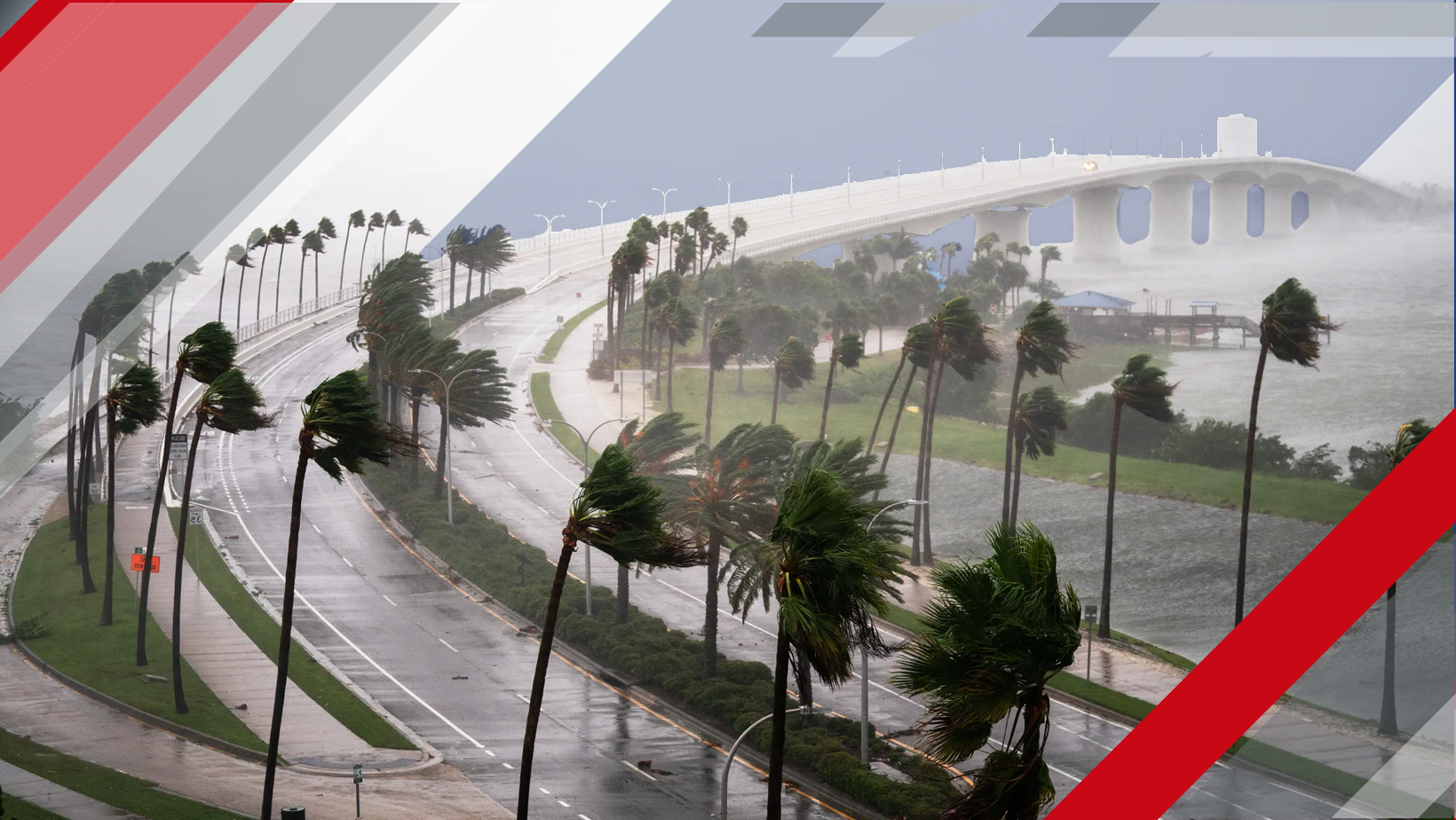
A quieter 2026 Atlantic hurricane outlook may give property insurers a needed breather, but it should not be mistaken for a broad reset in catastrophe risk.
For agents, agencies, and carriers, the story is less about whether the Atlantic basin looks calmer on paper and more about what that means for pricing, capacity, reinsurance, client expectations, and year-round risk management. The 2025 season delivered something rare and welcome: no hurricane landfalls in the continental United States. That helped avoid another surge of wind-related property claims after a difficult run of major events, including Ian in 2022, Idalia in 2023, and Milton and Helene in 2024.
Still, the insurance market did not get a true quiet year. Severe convective storms, wildfire, flood, inflation, litigation, and rebuilding costs kept pressure on loss ratios and household premiums. That is the central message for 2026: a below-average hurricane forecast can improve the tone of the market, but it does not erase the structural issues reshaping property insurance.
The 2026 Forecast: Lower Activity, Not Lower Risk
NOAA is forecasting a 55 percent chance of a below-normal Atlantic hurricane season for 2026, with 8 to 14 named storms, 3 to 6 hurricanes, and 1 to 3 major hurricanes. Those ranges sit below or near the 1991 to 2020 seasonal averages of roughly 14 named storms, 7 hurricanes, and 3 major hurricanes.
Colorado State University and The Weather Company are also pointing toward a quieter-than-average season. CSU expects 13 named storms, 6 hurricanes, and 2 major hurricanes, while The Weather Company and Atmospheric G2 expect 12 named storms, 6 hurricanes, and 2 major hurricanes. The common thread is El Nino. As El Nino develops, it typically increases vertical wind shear across the Atlantic, making it harder for tropical systems to organize and intensify.
Why The Forecast Still Requires Discipline
Seasonal forecasts measure basinwide activity. They do not tell an insurer, reinsurer, or coastal agency exactly where a storm will go, whether it will slow down near a metro area, or whether rainfall and storm surge will become the dominant claim drivers. A season with fewer storms can still produce a severe landfall. A season with many storms can curve harmlessly out to sea. For insurance professionals, landfall location matters more than storm count.
| Outlook | Storm Signal | Insurance Takeaway |
|---|---|---|
| NOAA: 8 to 14 named storms, 3 to 6 hurricanes | Major: 1 to 3 Category 3 or stronger hurricanes | Takeaway: lower activity can reduce expected peak loss |
| CSU: 13 named storms, 6 hurricanes, 2 major | ACE: 90 forecast, below the long-term average | Takeaway: one landfall can still reset assumptions |
| Weather Company: 12 named storms, 6 hurricanes | Major: 2 Category 3 or stronger hurricanes | Takeaway: prepare clients despite quieter basin signals |
The 2025 Reprieve Helped, But It Did Not Reset Premiums
The 2025 Atlantic season was unusual. NOAA reported 13 named storms, 5 hurricanes, and 4 major hurricanes, including three Category 5 hurricanes, yet no hurricanes made landfall in the continental United States for the first time since 2015. That was meaningful for U.S. homeowners carriers, especially in states where capital, reinsurance, litigation, and residual market exposure were already under stress.
But policyholders should not expect a storm-free season to show up immediately as lower premiums. Rate changes move through actuarial reviews, state filings, regulator approvals, reinsurance renewals, company appetite decisions, and individual policy renewal cycles. Even when loss experience improves, the effect is rarely instant. It can take a full renewal period, or longer, before consumers see the benefit.
“As with all hurricane seasons, coastal residents are reminded that it only takes one hurricane making landfall to make it an active season.”
Colorado State University Tropical Meteorology Project
Florida is the clearest example. Average homeowners insurance costs remain the highest in the country, with recent industry rate data placing the state average around $7,136 annually for a $300,000 dwelling coverage policy. Florida did see some improvement from 2023 to 2025, but that was tied more closely to legal reforms, claims handling changes, and renewed carrier appetite than to one quiet hurricane year. Louisiana moved in the opposite direction over the same period, with sharp increases driven by prior hurricane losses, inflation, carrier withdrawals, and litigation pressure.
The Bigger Pressure Point: Secondary Perils
For decades, hurricanes were often treated as the headline peril for coastal property insurance. They still matter enormously. But the 2025 loss picture reinforced a broader shift: severe convective storms, wildfire, and flood are now central to property portfolio performance.
Industry estimates vary by methodology, but Swiss Re and Aon both placed 2025 global insured natural catastrophe losses above $100 billion. The absence of a U.S. hurricane landfall did not prevent a major loss year. Los Angeles wildfires became one of the costliest wildfire events ever recorded for the insurance industry, while severe convective storms generated another year of major hail, wind, and tornado claims.
Aon has reported that severe convective storms have surpassed tropical cyclones as the costliest insured peril of the 21st century. That should influence how carriers think about accumulation, roof age, deductibles, policy language, inspection data, and underwriting segmentation. It should also influence how agencies talk to clients far from the coast. Catastrophe exposure is no longer just a coastal conversation.
“Amid annual volatility, insured losses keep rising.”
Jérôme Jean Haegeli, Swiss Re Group Chief Economist
Reinsurance And Capital Are Part Of The Rate Story
A quieter 2025 U.S. hurricane season helped improve sentiment in the property catastrophe reinsurance market. More capacity, better reinsurer returns, and a calmer U.S. wind season contributed to softer risk-adjusted pricing at key 2026 renewals. That matters because reinsurance is one of the largest cost components for coastal property insurers, especially regional carriers with concentrated exposure.
Even so, lower reinsurance pricing does not automatically translate into immediate retail premium relief. Carriers may use savings to buy more limit, lower net volatility, strengthen surplus, or improve attachment structures. In high-risk states, insurers also need to account for prior-year losses, model changes, roof and construction trends, social inflation, and the availability of capital after the next major event.
For agencies, this is a useful client education point. A favorable reinsurance renewal can help stabilize the market and potentially improve carrier appetite. It does not mean every policyholder will receive a lower renewal offer, especially if the home has aging roof materials, outdated replacement cost assumptions, prior claims, coastal exposure, or missing mitigation features.
Availability Matters As Much As Price
In Florida, Louisiana, Texas, the Carolinas, and parts of the Gulf and Atlantic coasts, the hardest conversation is often not just premium. It is access. When carriers reduce capacity, tighten underwriting guidelines, restrict new business, nonrenew selected risks, or rely more heavily on roof age and distance-to-coast rules, agencies face a placement challenge that can be just as important as rate.
A quieter hurricane outlook may encourage some carriers to lean back into targeted growth, particularly where reforms, improved reinsurance conditions, and better underwriting data support the decision. But appetite will remain selective. Carriers are likely to favor well-maintained homes, updated roofs, documented wind mitigation, accurate replacement cost valuations, strong flood awareness, and insureds who understand deductibles and exclusions before a storm forms.
For carriers, this is a moment to refine segmentation rather than chase growth broadly. For agencies, it is a moment to strengthen documentation. Good submissions, clear mitigation details, current photos, reliable valuation data, and accurate occupancy information can improve market access when underwriters are sorting acceptable coastal risk from avoidable volatility.
Flood Coverage Remains The Most Common Gap
The wind-versus-water issue remains one of the most important coverage education opportunities in hurricane-exposed states. Standard homeowners policies generally do not cover flood damage, including storm surge and rising water. Flood coverage usually requires a separate policy through the National Flood Insurance Program or a private flood market.
That distinction becomes critical after a hurricane because the most severe losses are often mixed-cause events. A home may experience roof damage, wind-driven rain, storm surge, and surface flooding in the same event. Policyholders who believe “hurricane coverage” means “all hurricane damage” can face a painful surprise at claim time.
Agents can add real value by moving flood conversations earlier in the year, well before storm watches, binding restrictions, or waiting periods become an issue. Carriers can help by making flood exclusions and optional coverage paths easier to understand at point of sale and renewal.
Mitigation Is Becoming A Market Access Strategy
Home hardening is no longer just a discount conversation. It is becoming a capacity conversation. Programs such as My Safe Florida Home and the Louisiana Fortify Homes Program are designed to reduce wind damage by supporting inspections, roof upgrades, opening protection, and other mitigation improvements. Louisiana’s program, for example, offers grants of up to $10,000 for eligible homeowners to upgrade roofs to the IBHS FORTIFIED Roof standard when funding is available.
The insurance case for mitigation is getting stronger. Research tied to Hurricane Sally claims in Alabama found that homes built or retrofitted to FORTIFIED standards had substantially lower claim frequency and severity than comparable non-certified homes. That kind of real-world performance data matters. It gives carriers a better basis for credits, underwriting flexibility, and long-term risk selection.
For agencies, mitigation creates a constructive client conversation in a difficult premium environment. A homeowner may not control the weather, the reinsurance market, or state rate regulation, but they can often improve roof resilience, document shutters or impact glass, maintain trees, update valuations, and review deductibles before the season begins.
What Insurance Organizations Should Do Now
- Refresh replacement costs: update valuations before claims inflation appears at renewal.
- Document mitigation: capture roof age, openings, shutters, clips, and inspections.
- Explain deductibles: review hurricane, named storm, wind, and all-peril triggers.
- Address flood gaps: discuss NFIP and private flood options early.
- Watch carrier appetite: track binding restrictions, moratoriums, and coastal guidelines.
- Prepare claims messaging: set expectations before adjusters, contractors, and clients are stressed.
The Renewal Conversation For 2026
The best way to frame the 2026 hurricane outlook is with cautious optimism. A below-average forecast is good news for a market that could use stability. Another year without major U.S. hurricane landfalls would support reinsurance confidence, help carriers protect surplus, and potentially open the door to more competitive pricing in selected segments.
But insurance professionals should avoid overselling relief. Premiums are being shaped by more than hurricanes. Severe convective storms, wildfire, flood, litigation, construction costs, regulator timelines, and capital costs are all part of the equation. That is why the strongest agencies and carriers will use this moment to educate, document, mitigate, and prepare rather than simply wait for the season to pass.
For policyholders, the message is straightforward: review coverage now, understand what is excluded, consider flood protection, and invest in practical mitigation where possible. For carriers and agencies, the message is equally clear: a calmer forecast may create breathing room, but long-term resilience will come from better risk selection, better data, stronger homes, and clearer client communication.
::contentReference[oaicite:0]{index=0}