
Greg Lindberg Sentenced for $2 Billion Insurance Fraud Scheme
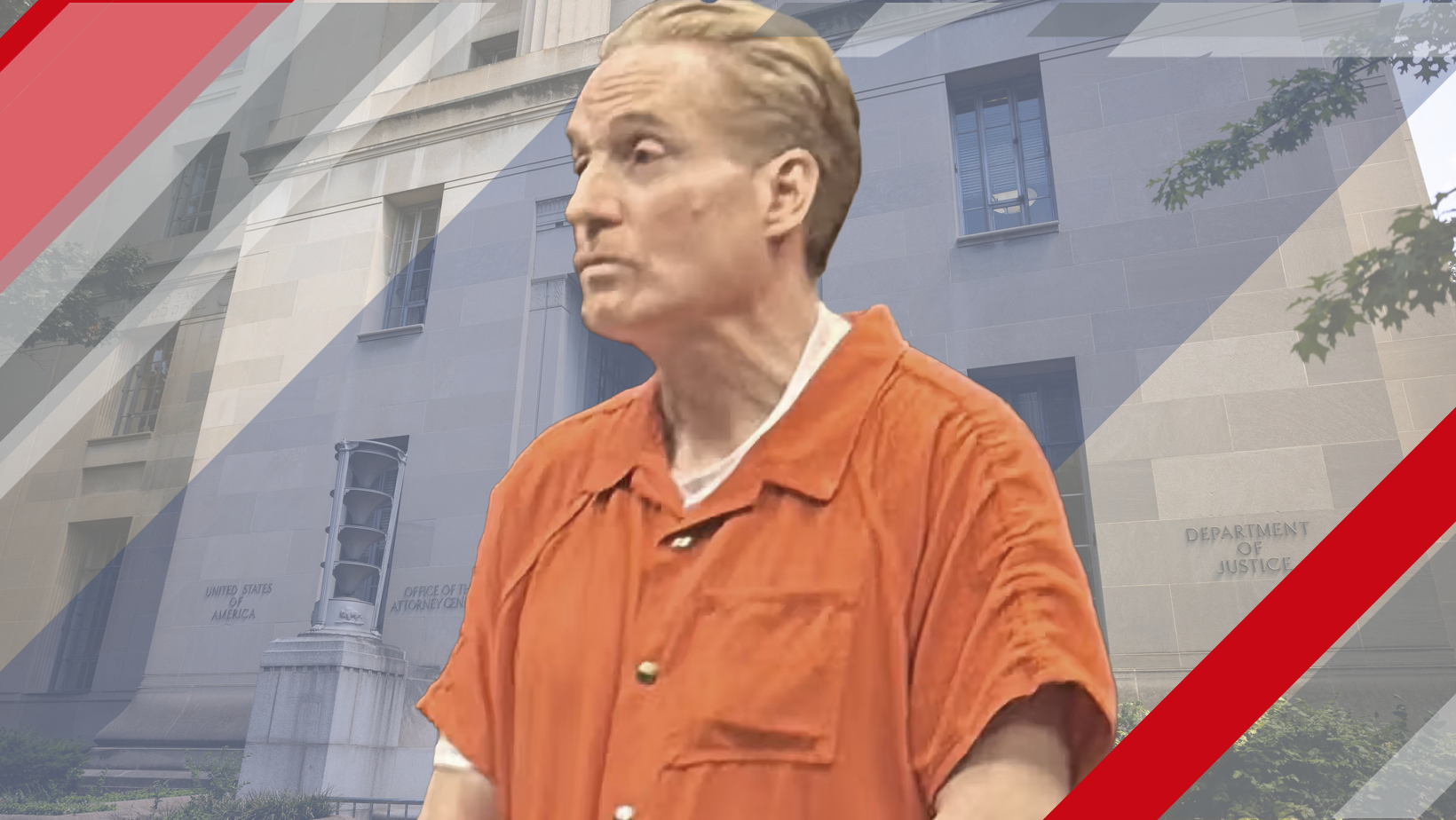
One of the most significant insurance fraud cases in recent memory is forcing the industry to confront difficult questions about oversight, carrier governance, and the long term protection of policyholders.
Greg Lindberg, once considered a powerful insurance entrepreneur and private equity figure, has been sentenced to 12 years in federal prison after prosecutors detailed a sprawling scheme involving the misuse of more than $2 billion tied to insurance companies under his control. The case has become a cautionary tale for carriers, agencies, regulators, and investors across the insurance landscape.
Federal prosecutors described a pattern of financial manipulation in which Lindberg allegedly diverted funds intended to protect annuity holders and retirees into risky transactions, luxury purchases, and personal ventures. The sentencing marks another major chapter in a legal saga that has already included bribery convictions, regulatory interventions, and the collapse of multiple insurance entities.
A Case That Shook the Insurance Sector
Lindberg built a vast business empire through his company Eli Global, acquiring insurers including Colorado Bankers Life Insurance, Bankers Life Insurance, and Southland National Insurance. At one point, he controlled a complex network of insurance and investment operations spanning several states.
According to prosecutors, the structure allowed Lindberg to move money through affiliated entities using questionable loans and misleading accounting practices. Regulators later argued many of those transactions lacked legitimate collateral and placed policyholder assets at serious risk.
“The magnitude of the fraud in this case is staggering and left thousands of policyholders vulnerable.”
Assistant US Attorney Lyndie Freeman
The fallout eventually forced state regulators to intervene. Several insurance entities tied to Lindberg entered rehabilitation proceedings, while guaranty associations and state insurance departments scrambled to protect consumers and stabilize policies.
Why This Matters to Agents and Carriers
For insurance professionals, the Lindberg scandal represents far more than an isolated criminal case. It highlights the importance of transparency, reserve integrity, and carrier due diligence in an industry built almost entirely on trust.
Agents often focus on product competitiveness, commissions, and carrier ratings when placing business. The Lindberg case demonstrates why understanding ownership structures, investment strategies, and regulatory history can matter just as much.
Policyholders affected by the collapse of Lindberg related entities reportedly included retirees relying on annuity income and life insurance protections. Many testified about severe financial hardship during sentencing proceedings.
Key Industry Lessons
- Carrier stability matters beyond ratings and marketing performance.
- Complex affiliated investment structures can create hidden risks.
- Regulatory oversight gaps may take years to surface.
- Policyholder confidence can erode quickly after insolvency concerns emerge.
- Agencies increasingly need stronger carrier vetting processes.
The Bribery Conviction Added Another Layer
Lindberg’s legal troubles extended well beyond financial misconduct allegations. In a separate case, he was convicted on charges related to attempting to bribe North Carolina Insurance Commissioner Mike Causey.
Federal investigators said Lindberg sought favorable regulatory treatment in exchange for political contributions. The case drew national attention because it highlighted the immense pressure regulators can face when overseeing large insurance conglomerates.
The bribery conviction intensified concerns about whether political influence and aggressive expansion strategies had allowed risks inside Lindberg’s companies to grow unchecked for too long.
“This case reminds us that insurance regulation exists to protect consumers, not corporate insiders.”
Former North Carolina Insurance Commissioner Mike Causey
The Personal Spending Allegations Drew Headlines
Prosecutors presented evidence that millions of dollars connected to insurance company resources were funneled into extravagant personal spending. Court records referenced luxury yachts, private matchmaking services, and high end lifestyle expenditures.
Bloomberg investigations also explored allegations surrounding Lindberg’s personal relationships and reported efforts to father large numbers of children through surrogates and egg donors. While those details were not central to the fraud charges themselves, they contributed to public scrutiny surrounding his conduct and decision making.
Federal prosecutors portrayed a business environment driven by secrecy, manipulation, and personal ambition rather than fiduciary responsibility.
Regulatory Oversight Under the Microscope
The insurance industry operates under a state based regulatory system designed to monitor solvency and protect consumers. Yet the Lindberg case exposed how complicated ownership structures and affiliated investments can challenge even experienced regulators.
Industry observers have pointed out that insurers tied to private equity and alternative investment firms often pursue higher yielding assets than traditional carriers. While many of these strategies are legal and profitable, regulators increasingly worry about liquidity risks and interconnected financial exposure.
In recent years, the National Association of Insurance Commissioners has intensified scrutiny around private equity ownership in insurance. Regulators have focused particularly on affiliated transactions, reserve transparency, and cross company capital movements.
Areas of Growing Regulatory Focus
Carriers across the industry are seeing increased examination activity tied to investment disclosures, reinsurance agreements, and governance controls. The Lindberg matter is expected to remain part of that conversation for years.
| Focus Area | Industry Concern |
|---|---|
| Affiliated Deals Complex related party transactions reviewed closely |
Consumer Risk Potential misuse of policyholder reserves examined |
| Private Equity Alternative asset strategies drawing more attention |
Liquidity Pressure Long term obligations require stronger safeguards |
| Governance Controls Board oversight expectations continue increasing |
Market Confidence Trust remains essential for carrier stability |
What Agencies Should Take Away
For independent agencies and producers, the Lindberg case reinforces the importance of evaluating carrier partners beyond surface level metrics. Strong commissions and competitive products cannot replace disciplined financial oversight and transparent operations.
Agencies may increasingly incorporate deeper carrier reviews into their compliance and risk management programs. That includes monitoring regulatory actions, reviewing ownership structures, and understanding how insurers generate investment returns.
Clients are also becoming more aware of carrier solvency discussions, particularly in the annuity and retirement income space. Producers who can clearly explain guaranty protections, carrier financials, and long term stability will likely strengthen consumer confidence.
The Broader Industry Impact
The insurance industry has endured major fraud scandals before, but few have combined regulatory failures, political corruption allegations, and large scale policyholder exposure in quite the same way as the Lindberg case.
While prosecutors acknowledged nearly $1 billion in restitution related efforts, thousands of affected policyholders continue dealing with uncertainty and financial strain. Rehabilitation proceedings and legal disputes tied to Lindberg affiliated companies have stretched on for years.
The case is also likely to fuel ongoing debates about the growing role of private equity capital in insurance. Supporters argue these firms provide innovation and financial strength, while critics warn aggressive investment tactics can create risks that only emerge during periods of stress.
Ultimately, the scandal serves as a powerful reminder that insurance is fundamentally a promise business. Policyholders trust carriers to safeguard retirement savings, protect families, and honor long term obligations. When that trust breaks down, the damage extends far beyond financial statements.