
High-Speed Police Chase Scandal Exposes a Failure of Public Trust & Hidden Insurance Scam
```html
What happens when the very people trusted to enforce the law are accused of manipulating the insurance system for personal gain?
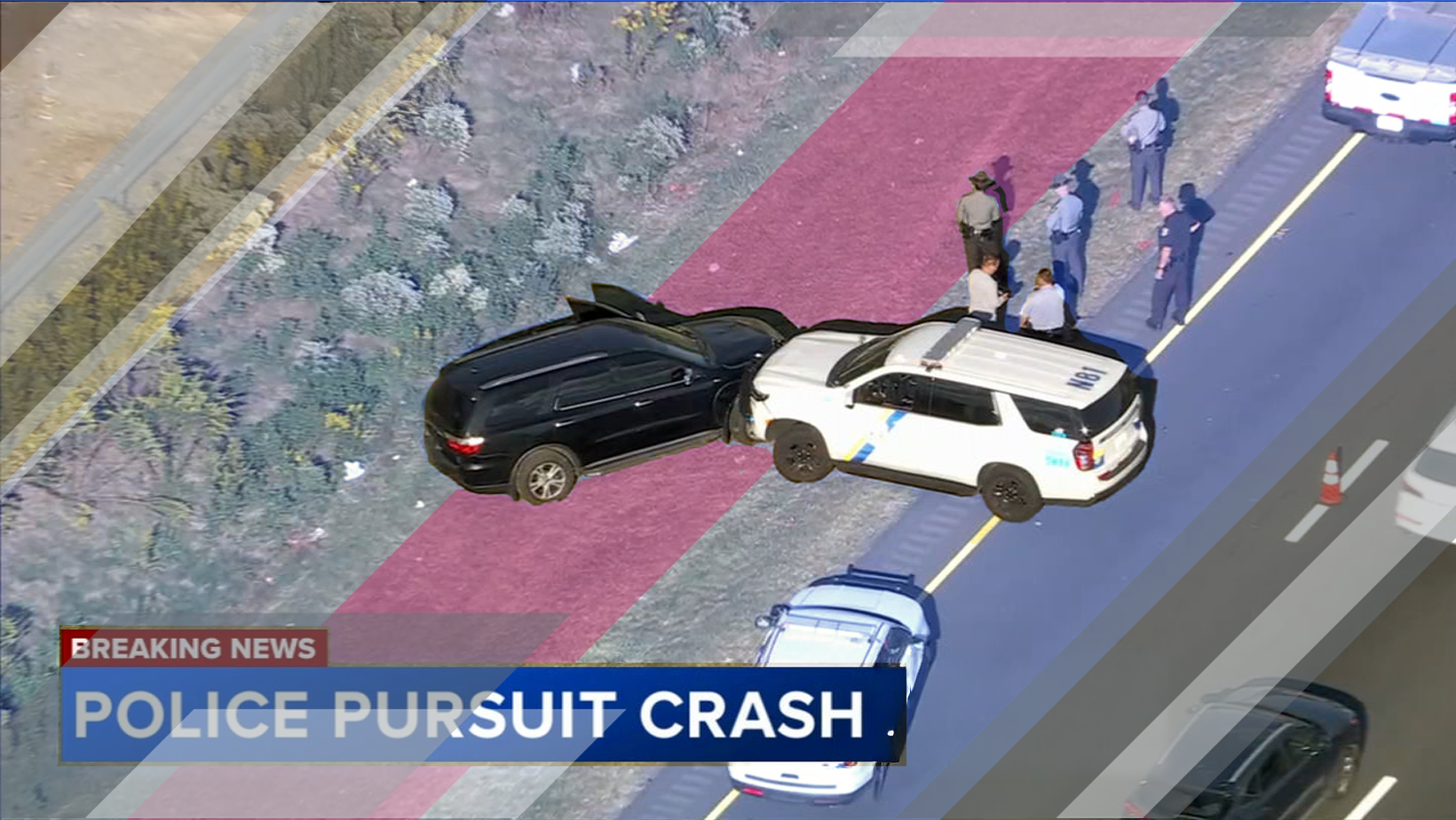
That question moved from hypothetical to real this past week after multiple Georgia state troopers were terminated following allegations that they intentionally caused or escalated vehicle crashes during high-speed pursuits and then filed injury claims tied to those incidents. For insurance professionals, this story is not just shocking. It is deeply instructive.
It exposes a rarely discussed layer of risk. Not just external fraud, but insider-driven claims activity that challenges assumptions about trust, verification, and systemic integrity.
The Allegations That Changed the Narrative
According to investigators, the officers were involved in multiple pursuit-related incidents where crashes occurred under questionable circumstances. In some cases, those crashes led to injury claims that resulted in payouts reaching tens of thousands of dollars.
What makes this situation unique is not just the financial component. It is the role of the individuals involved. Law enforcement officers are typically seen as credible, high-trust participants in claims scenarios. Their reports often serve as foundational documentation in underwriting and claims decisions.
When that trust is compromised, the ripple effects extend far beyond a single claim.
“This case challenges a core assumption in claims handling: that certain sources are inherently reliable. When that assumption breaks, everything downstream is affected.”
Claims Risk Consultant
Why This Story Matters to Insurance Professionals
Fraud is not new. But the nature of fraud is evolving. Historically, carriers and agencies have focused heavily on external bad actors. Staged accidents, inflated medical bills, and opportunistic claims.
This case introduces a different dimension. It highlights how individuals within trusted roles can potentially influence claim outcomes in ways that are difficult to detect.
For agents and agencies, this raises important questions:
How much weight should be placed on authority-based documentation? Where are the blind spots in verification? And how can conversations with clients better reflect the complexity of modern risk?
The Financial Impact Is Only Part of the Story
At first glance, the dollar amounts involved may seem modest compared to large-scale fraud rings. But the true cost is broader.
Every questionable claim contributes to upward pressure on premiums. Every breach of trust introduces friction into the claims process. And every high-profile case like this one shapes public perception of the insurance system.
For carriers, this means increased scrutiny and tighter controls. For agents, it often translates into more difficult client conversations about pricing and underwriting.
The Hidden Cost of Eroding Trust
Trust is the invisible infrastructure of the insurance industry. It allows claims to move efficiently, underwriting to function effectively, and clients to feel confident in their coverage.
When trust erodes, processes slow down. Verification increases. Costs rise.
And ultimately, the burden is shared across the entire system.
“Insurance works because people believe in the fairness of the system. When that belief is shaken, the consequences extend far beyond a single claim.”
Industry Analyst
Key Lessons for Agents and Agencies
- Verification matters: Even trusted sources require consistent documentation review and validation.
- Client education is critical: Help clients understand how fraud impacts premiums and coverage availability.
- Context is everything: Not all claims scenarios are as straightforward as they appear on paper.
- Trust must be reinforced: Agents play a central role in maintaining confidence in the system.
- Fraud is evolving: Stay aware of new patterns that go beyond traditional staged incidents.
A Broader Industry Trend
This case does not exist in isolation. Across the United States, insurers and regulators are reporting increased complexity in claims investigations. Fraud is becoming more sophisticated, more collaborative, and in some cases, more embedded within systems that were once considered secure.
At the same time, litigation trends and rising loss costs are amplifying the financial stakes. Even relatively small incidents can have outsized downstream effects when multiplied across a portfolio.
For agencies, this reinforces the importance of staying informed and proactive. The role of the agent is no longer just about placement. It is about interpretation, guidance, and trust-building in an increasingly complex environment.
Where This Leaves the Industry
Stories like this resonate because they challenge expectations. They remind us that risk is not always external or obvious. Sometimes it exists within systems we rely on most.
For insurance professionals, the takeaway is not fear. It is awareness.
Awareness that trust must be earned continuously. Awareness that verification processes must evolve. And awareness that the human element of insurance remains both its greatest strength and its most unpredictable variable.
In a business built on protecting against the unexpected, this story is a powerful reminder that the unexpected can come from anywhere.
```