
War Exclusions, Rising Risk, and Global Shockwaves: What the Iran Conflict Is Revealing About Hidden Insurance Gaps
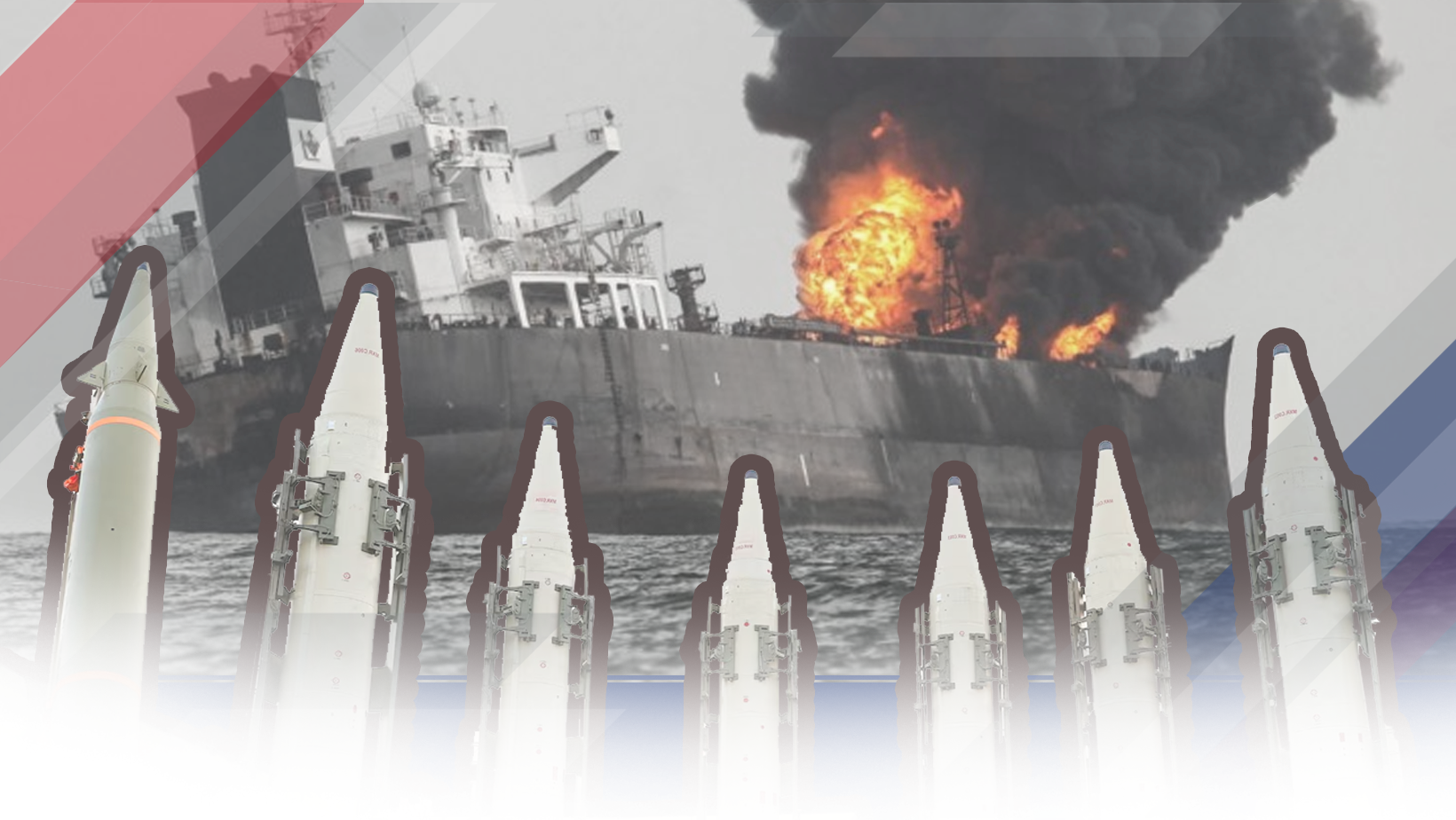
What many businesses believed was “covered” risk is rapidly being exposed as one of the most misunderstood and dangerous gaps in modern insurance.
Over the past week, global tensions in the Middle East have triggered a sharp and immediate reaction across insurance markets, supply chains, and financial systems. For insurance professionals, this is more than just geopolitical news. It is a real-time case study in how coverage assumptions, policy exclusions, and interconnected risk can collide with serious financial consequences.
For agents, agencies, and carriers, the implications are both urgent and long-term. Clients are asking questions. Markets are shifting. And the difference between what is assumed to be covered and what is actually covered is becoming painfully clear.
When “Covered” Doesn’t Mean Protected
One of the most significant developments emerging from the current conflict is the renewed focus on war exclusions. Many businesses believed their terrorism or political violence policies would respond to losses tied to geopolitical instability. In reality, many of those policies explicitly exclude acts of war.
That distinction is no longer theoretical. It is now driving real financial outcomes.
Hospitality groups, logistics firms, and multinational corporations are discovering that losses tied to military conflict, even when indirect, may fall outside of coverage. This is forcing a rapid and expensive shift toward specialized war risk insurance, often at multiples of previous pricing.
“This is exactly the type of moment where policy language becomes more important than intent.”
Senior underwriting executive, global specialty carrier
For agents, this represents both a risk and an opportunity. The risk lies in gaps that may not have been fully explained. The opportunity lies in becoming the advisor who can clearly interpret and communicate these distinctions.
A Global Event With Local Consequences
While the conflict may appear geographically distant, its insurance implications are deeply local. A single disruption in a critical shipping corridor can ripple through industries worldwide.
Recent attacks on commercial vessels and escalating tensions in key oil transit regions have already begun to impact global trade flows. Shipping delays, rerouted cargo, and rising transportation costs are creating a cascade of exposure.
For insured businesses, this translates into increased likelihood of:
- Business interruption claims tied to delayed goods and halted operations
- Contingent business interruption losses from supplier disruptions
- Contract disputes over delivery failures and liability allocation
- Coverage disputes around cause of loss and applicable exclusions
Even companies with no direct international footprint may feel the effects through suppliers, pricing volatility, or customer demand shifts.
The Return of Multi-Line Shock Events
What makes the current situation particularly significant for insurers is its potential to trigger losses across multiple lines simultaneously.
Historically, the industry has managed catastrophe exposure by modeling events within specific silos such as property, marine, or aviation. Geopolitical conflicts challenge that structure by creating overlapping exposures that are difficult to isolate.
In this environment, a single event can impact:
Marine through vessel damage and rerouting costs
Aviation through airspace closures and cancellations
Energy through infrastructure risk and price volatility
Property through supply-driven cost inflation
Financial lines through market instability and credit risk
This convergence of exposures is often referred to as a systemic event. It is precisely the type of scenario that strains underwriting models and reinsurance capacity.
“When losses start to correlate across lines, the industry moves from managing risk to absorbing shock.”
Chief risk officer, global reinsurer
Rising Costs and the Underinsurance Problem
One of the quieter but equally important developments is the rapid rise in energy prices. Oil market volatility is already feeding into broader economic inflation, which directly impacts insurance.
For commercial clients, this creates a familiar but dangerous scenario. Replacement costs increase faster than policy limits are updated.
This gap between insured values and actual costs can lead to significant shortfalls at the time of loss. It also increases the likelihood of coinsurance penalties and dissatisfaction at claim settlement.
The Coverage Conversation Is Changing
For many agents, the most immediate impact is a shift in client expectations. Conversations that once focused on price and limits are quickly evolving into deeper discussions about exclusions, triggers, and real-world scenarios.
Clients are no longer satisfied with general assurances. They want clarity. They want specifics. And increasingly, they want guidance on risks they had not previously considered.
This moment reinforces a fundamental truth in insurance. The value of an agent is not just in placing coverage. It is in interpreting risk.
Key Questions Clients Are Starting to Ask
Agents across the market are reporting a surge in questions that reflect a growing awareness of complex exposures:
Am I covered if my supplier cannot deliver due to conflict?
What exactly qualifies as war versus terrorism?
How would a shipping disruption affect my business interruption coverage?
Are my limits sufficient given current cost inflation?
These are not routine questions. They signal a more engaged and more concerned client base.
Why This Moment Matters for Agents and Carriers
Periods like this do not occur often, but when they do, they tend to reshape the market.
For carriers, it may mean reevaluating underwriting appetite, adjusting pricing, and reassessing accumulation risk.
For agencies, it represents a chance to strengthen relationships, demonstrate expertise, and proactively address exposures before they result in claims.
The agents who lean into these conversations, who simplify complexity, and who provide actionable guidance will stand out.
Because in moments of uncertainty, clarity becomes the most valuable product the industry can offer.