
Trump Engages Health Insurance Leaders to Address Rising Costs
A New Round of Talks Puts Health Insurance Costs Back in the Spotlight
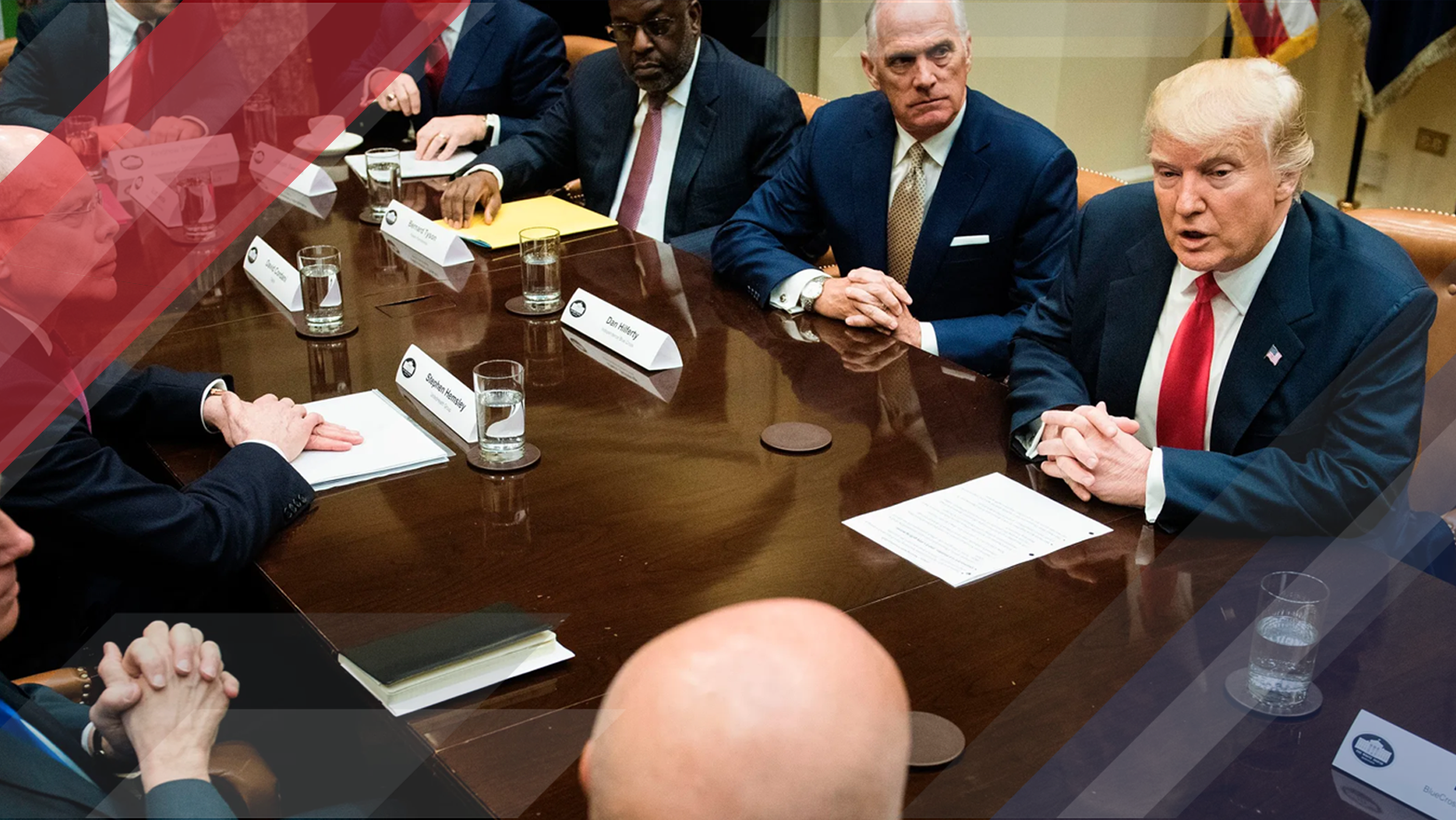
Health insurance leaders are once again finding themselves at the center of the national healthcare cost debate. President Donald Trump has announced plans to meet with executives from 14 of the nation’s largest health insurers, signaling a renewed focus on premium affordability, operational efficiency, and regulatory alignment across the sector.
The discussions follow earlier meetings between the administration and pharmaceutical manufacturers and are positioned as the next step in a broader effort to rein in healthcare spending. For insurers, the timing is critical. Market pressures are intensifying just as key Affordable Care Act subsidies have expired, leaving millions of consumers exposed to higher out of pocket costs.
“We have to get costs down, and insurers are a big part of that conversation,”
Donald Trump, President of the United States
Why This Meeting Matters to Insurers
The expiration of enhanced ACA subsidies on December 31 has reshaped the individual market almost overnight. Roughly 24 million Americans rely on ACA exchanges for coverage, many of them without access to employer sponsored plans or public programs like Medicare or Medicaid. Those subsidies played a central role in stabilizing enrollment and keeping premiums within reach.
Without congressional action to extend them, insurers now face a delicate balancing act. Premium adequacy must be weighed against enrollment retention, regulatory scrutiny, and reputational risk. President Trump has indicated openness to alternative forms of consumer assistance, including direct financial support, but has not outlined a formal replacement framework for the ACA.
From an industry perspective, these talks are less about ideology and more about mechanics. Risk pooling, pricing assumptions, and compliance obligations all come into sharper focus as subsidy support fades.
AI, Operations, and Cost Control
The upcoming discussions are also expected to touch on operational pain points that have long frustrated both consumers and providers. Prior authorization delays, underwriting complexity, and administrative overhead remain prime candidates for technology driven reform.
Insurers have already invested heavily in artificial intelligence to streamline claims processing, improve fraud detection, and enhance care management. The administration’s interest in AI driven solutions suggests a willingness to explore how these tools can reduce friction without compromising regulatory standards.
“Technology has to work for patients and payers at the same time,”
Senior Administration Official familiar with the discussions
The Financial Reality Ahead
Analysts are increasingly focused on what happens next if cost containment efforts fall short. Research from the Kaiser Family Foundation points to meaningful enrollment declines if premiums rise sharply. Current projections illustrate the magnitude of the challenge.
| ACA Subsidized Plan Premiums | Average Annual Cost |
|---|---|
| 2025 | $888 |
| 2026 projected | $1,904 |
A doubling of average premiums in just one year would reshape the risk profile of the exchange market. Healthier members are more likely to opt out, leaving insurers with a sicker, more expensive pool and further upward pressure on rates.
What Insurers Are Watching Closely
As carriers prepare for the meeting, several themes are likely to dominate internal conversations:
-
Sustainability of the individual market without enhanced subsidies
-
Regulatory flexibility around product design and pricing
-
The role of AI in reducing administrative and medical costs
-
Potential direct to consumer support models and their impact on enrollment
While no immediate policy announcements are expected, the talks themselves carry weight. They represent an acknowledgment that insurers are central to any durable solution on healthcare affordability.
Looking Ahead
For the insurance industry, this moment is less about waiting for sweeping reform and more about shaping incremental, practical outcomes. The convergence of rising premiums, expiring subsidies, and advancing technology creates both risk and opportunity.
If these discussions can align policy goals with operational realities, insurers may find a path that protects consumers while preserving market stability. The coming months will reveal whether collaboration can translate into measurable relief for premiums and participation alike.