
Idaho Homeowners Insurance Faces Challenges Amid Rising Wildfire Risks
Idaho Homeowners Insurance Enters a Period of Realignment
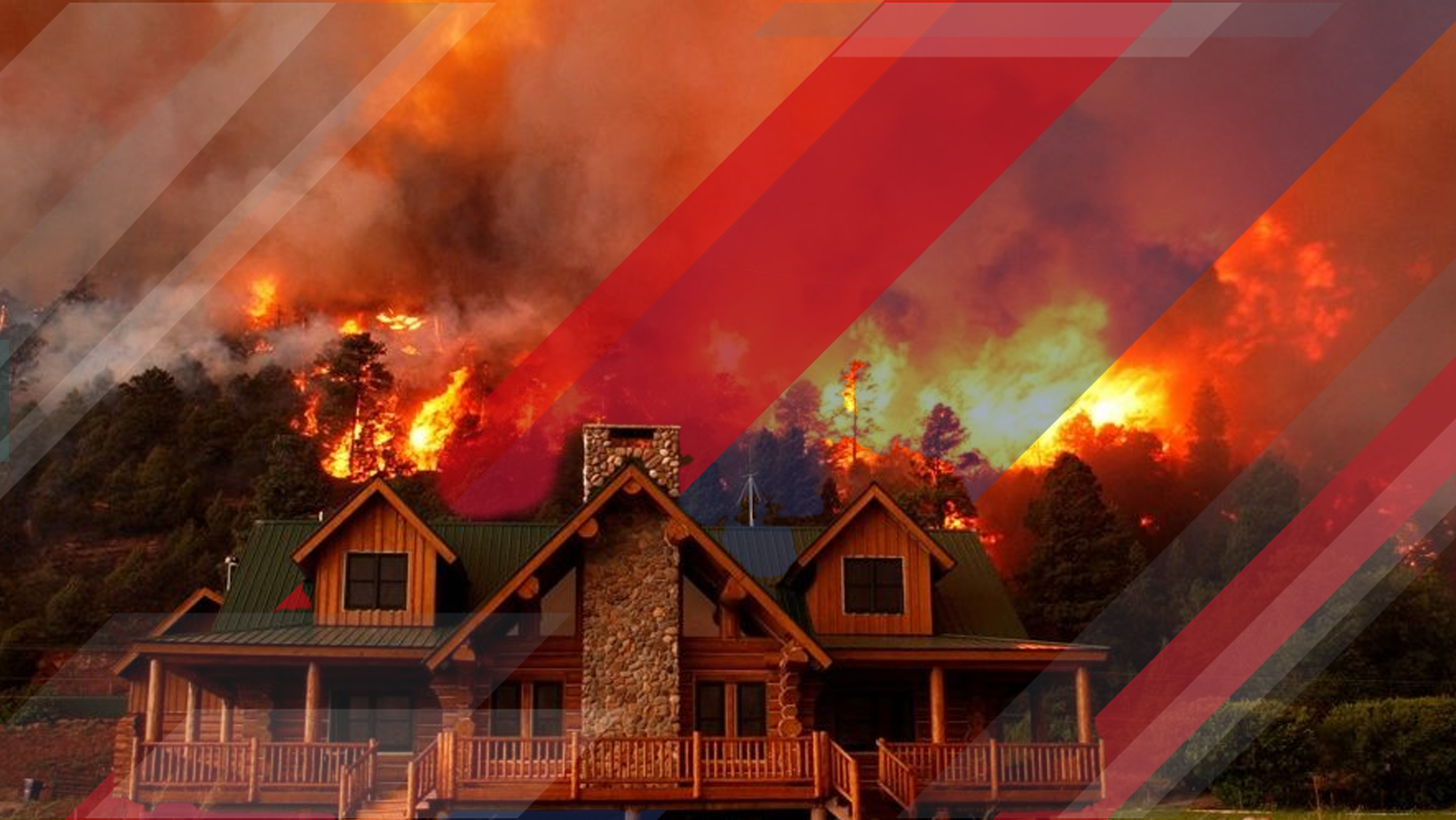
Idaho’s homeowners insurance market is recalibrating in real time. Rising exposure to wildfires and other natural catastrophes across the Pacific Northwest is reshaping underwriting appetite, pricing, and availability. For carriers, regulators, and agents alike, the state offers a clear case study in how climate-driven risk is translating into market pressure.
Premiums are moving sharply higher. According to the Idaho Department of Insurance, average homeowners premiums have climbed roughly 37 percent in a short period, increasing from about $1,300 to $1,800 annually. At the same time, the number of insured homeowners has declined by approximately 9 percent as carriers narrow their footprints and tighten eligibility criteria.
This combination of higher prices and fewer options is pushing Idaho into unfamiliar territory.
Capacity Tightens as Carriers Reassess Risk
Several national and regional insurers have reduced their participation in Idaho’s homeowners market. The retrenchment is not a wholesale withdrawal, but the cumulative effect is a thinner field of admitted options. As standard market capacity contracts, consumers are increasingly turning to surplus lines coverage to fill the gap.
While surplus lines policies can provide critical access to coverage, they also introduce new considerations for insureds and producers. These policies fall outside state rate and form regulation and frequently carry higher deductibles, narrower terms, or specific peril exclusions. Wildfire coverage, in particular, can be limited or subject to strict sublimits.
“It’s affecting everyone in Idaho as the market undergoes dramatic shifts.”
Dean Cameron, Director, Idaho Department of Insurance
From a regulatory perspective, the growing reliance on nonadmitted coverage raises questions about consumer understanding and long-term market stability, especially in high-risk areas where alternatives are scarce.
Cost Pressures Extend Beyond Fire Lines
Wildfire risk may be the headline driver, but it is not acting alone. Rebuilding costs across Idaho have surged due to labor shortages, material inflation, and longer construction timelines. These pressures directly impact replacement cost estimates and loss severity assumptions.
Reinsurance availability is also playing a decisive role. Capacity remains constrained and pricing elevated, particularly for catastrophe-exposed portfolios. For primary carriers, that reality forces difficult trade-offs between growth, pricing adequacy, and capital protection.
“Insurers are having to prioritize long-term solvency in an environment where rebuilding costs and reinsurance options are both challenging.”
Kenton Brine, President, Northwest Insurance Council
The outcome is a market that is more selective by design, even as demand for coverage remains strong.
Wildfire Risk Is Evolving Faster Than Models
Idaho’s wildfire profile is changing in ways that complicate traditional risk assessment. Larger, faster-moving fires are no longer confined to historically high-risk zones. Invasive grasses and altered land use patterns are contributing to more frequent ignition and rapid fire spread, even in areas previously considered moderate risk.
“These fires are moving faster and burning more intensely, which changes how we think about exposure.”
Jennifer Balch, Fire Scientist, University of Colorado
For insurers, this evolution challenges legacy catastrophe models and pushes underwriting toward more granular, property-level analysis. It also underscores the importance of mitigation, defensible space, and building resilience as underwriting considerations rather than afterthoughts.
Snapshot of Market Shifts
| Metric | Prior Period | Current Estimate |
|---|---|---|
| Average annual premium | $1,300 | $1,800 |
| Change in premiums | — | +37 percent |
| Policyholder count | Baseline | -9 percent |
| Admitted carrier participation | Broader | Reduced |
Where the Market May Go Next
Lawmakers and regulators are exploring ways to stabilize the market without distorting risk signals. A recent proposal to create a wildfire risk mitigation fund did not advance, but it reflects growing interest in public-private approaches that encourage prevention while supporting availability.
For industry stakeholders, several themes are likely to shape the next phase of Idaho’s homeowners market:
-
Expanded use of mitigation incentives, including premium credits for defensible space and fire-resistant construction.
-
Continued refinement of underwriting models to better reflect localized wildfire behavior.
-
Ongoing growth in surplus lines placements, paired with increased emphasis on disclosure and consumer education.
Idaho’s experience mirrors broader trends unfolding across the West, but the state’s response will be closely watched. The decisions made now by insurers, regulators, and policymakers will influence not only affordability, but also the long-term resilience of communities facing an increasingly volatile risk landscape.