
House Judiciary Probes ACA Brokers Over Fraud and Premium Subsidy Misuse
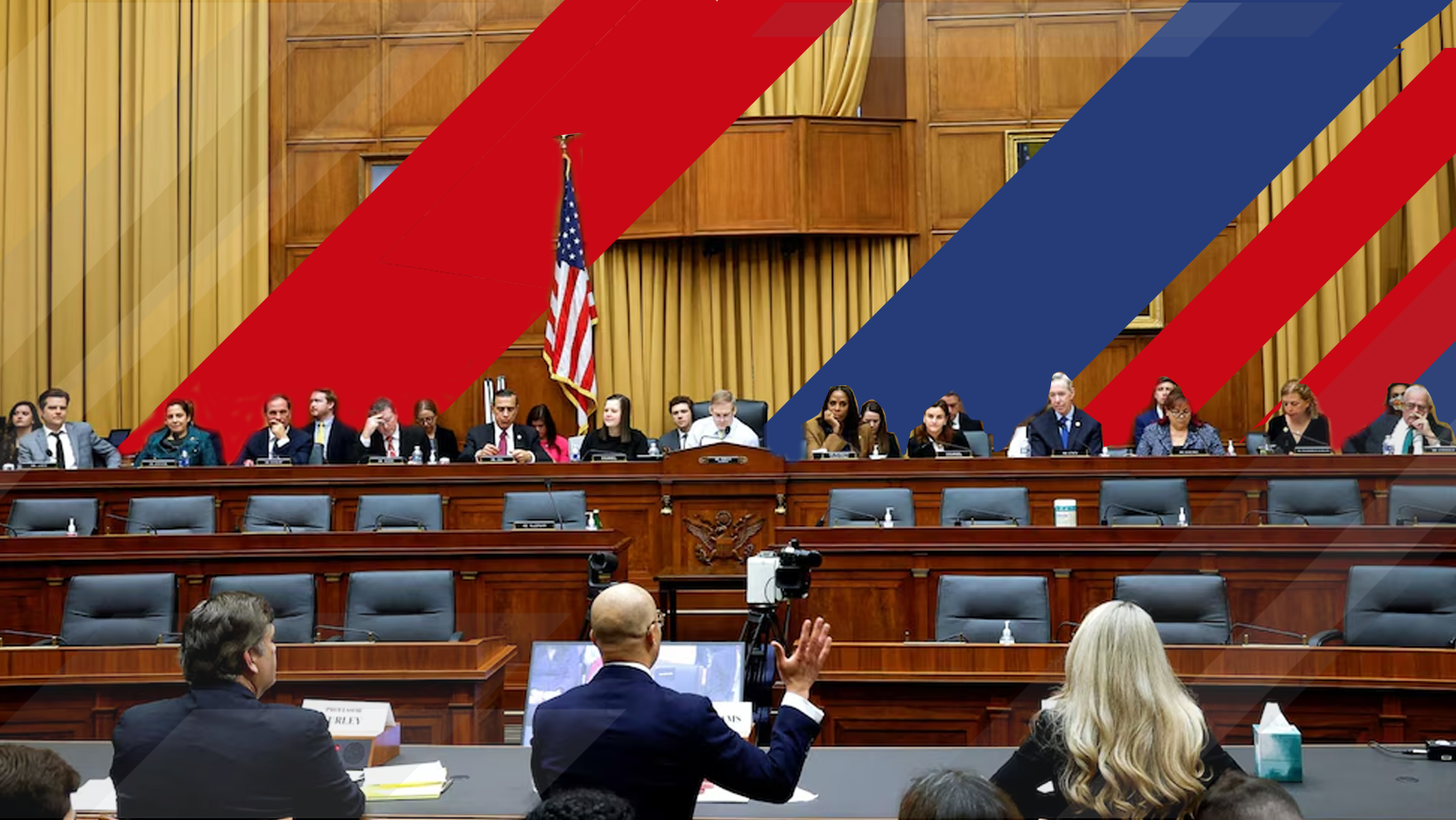
House Judiciary Committee Turns Spotlight on ACA Enrollment Practices
The U.S. House Judiciary Committee has opened a wide ranging inquiry into the role of major health insurance brokers and carriers in Affordable Care Act enrollments, raising fresh questions about oversight, incentives, and the long term sustainability of enhanced federal subsidies.
Led by Chairman Jim Jordan, the committee has sent formal letters to several prominent organizations, including Blue Shield of California, Centene Corporation, CVS Health, Elevance Health, Kaiser Permanente, Oscar Health Inc., and GuideWell. The request is straightforward but sweeping: explain how enrollments are generated, how fraud is detected and prevented, and whether enhanced premium tax credits are being misused at scale.
At the heart of the inquiry is concern that expanded subsidies, originally enacted in 2021 during the pandemic, may be driving unintended behavior across the ACA marketplace.
“When commissions are directly tied to enrollment volume, it raises serious questions about whether the system rewards speed and scale over accuracy and compliance.”
Government Accountability Office
Enhanced Subsidies Under the Microscope
The expanded premium tax credits have reshaped the ACA landscape. Today, more than 90 percent of the roughly 24 million ACA enrollees receive enhanced subsidies. For consumers, that has meant lower premiums and broader access. For policymakers, it has meant rapidly rising federal expenditures.
According to the Government Accountability Office, transparency around subsidy allocation has not kept pace with enrollment growth. GAO findings point to gaps in oversight, particularly when third party brokers and enrollment partners are involved. In some cases, audits uncovered individuals using the same Social Security number multiple times within a single coverage year to improperly receive subsidies.
While these cases do not automatically implicate brokers or carriers, they underscore vulnerabilities in the system.
“The scale of the subsidies demands a higher standard of accountability across every participant in the enrollment chain.”
Congressional staff briefing source
What the Committee Is Asking For
The Judiciary Committee’s letters request extensive documentation, including internal communications, compliance protocols, and staffing devoted to fraud prevention. Lawmakers are also seeking clarity on how companies monitor broker behavior and whether enrollment incentives are structured in ways that could encourage aggressive or misleading practices.
Key areas of focus include:
-
Enrollment verification processes and safeguards against duplicate or false applications
-
Broker compensation models and oversight mechanisms
-
Internal anti fraud teams, tools, and escalation procedures
-
Awareness of subsidy misuse and corrective actions taken
The response deadline of December 29 adds urgency, particularly as Congress debates whether to extend, modify, or roll back enhanced subsidies that are scheduled to expire without legislative action.
Implications for the Insurance Industry
For insurers, brokers, and marketplace partners, the inquiry signals heightened regulatory scrutiny at a time when enrollment volumes remain historically high. Even absent formal findings, the investigation could influence future rules around broker compensation, eligibility verification, and data sharing between carriers and federal agencies.
More broadly, the inquiry reflects a familiar tension in public insurance programs: expanding access while safeguarding taxpayer dollars. As enrollment ecosystems grow more complex, lawmakers appear increasingly focused on the controls behind the curtain, not just the coverage numbers on the scoreboard.
“Access and affordability matter, but integrity is what keeps programs viable over the long term.”
Policy analyst familiar with ACA oversight
How this inquiry concludes may shape not only the future of ACA subsidies, but also expectations for compliance and accountability across the insurance distribution landscape.