
Senate Debates Bipartisan Options on ACA Tax Credit Extensions Amid Premium Surge
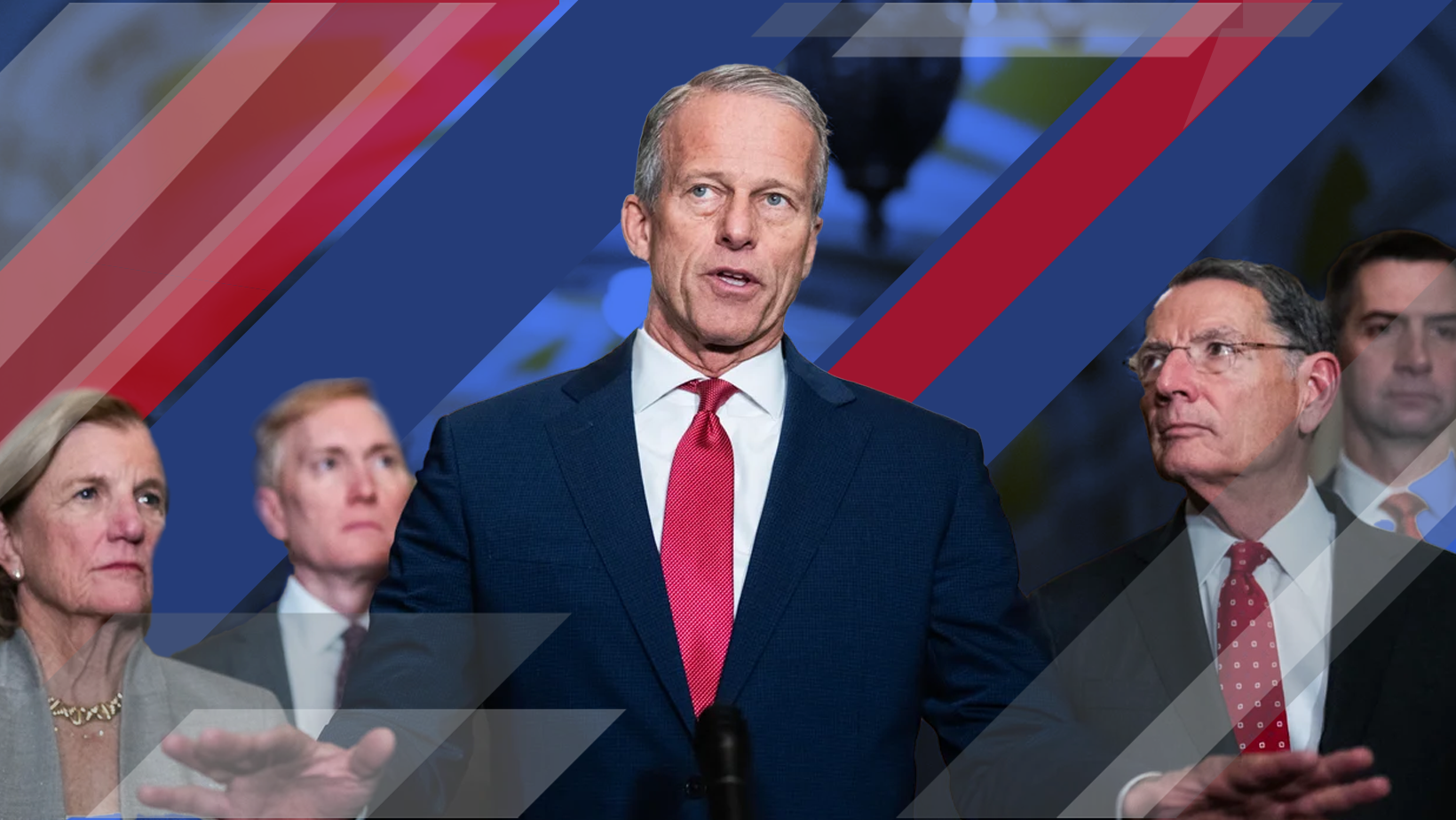
ACA Tax Credits Hang in the Balance as Senate Weighs Its Next Move
As Congress approaches a pivotal moment on the future of Affordable Care Act enhanced tax credits, the insurance industry is watching closely. A lapse in these credits would mean higher premiums for millions of Americans, and the ripple effects could influence markets, enrollment behavior, and carrier strategy well into 2026.
Senate Majority Leader John Thune signaled that negotiations are active but unsettled. Senators from both parties acknowledge the stakes, yet the path to a compromise is still unclear. With a vote expected next week as part of a government funding agreement, Democrats must decide whether to pursue a bipartisan deal or push a partisan extension that may face strong headwinds.
“There is interest on both sides of the aisle, but the details matter, and we are not there yet.”
Senate Majority Leader John Thune
The Fault Line: Hyde Restrictions and Legislative Strategy
At the center of the impasse is ongoing disagreement over the Hyde amendment, which limits federal funding for abortion services. Some Republicans want tighter restrictions tied to any extension of ACA subsidies, while Democrats strongly oppose expanding Hyde language. This single issue continues to shape every permutation of a possible compromise.
Beyond that, Republicans have floated alternative health care concepts, many emphasizing consumer choice, lower premiums, and market flexibility. Democrats, for their part, remain focused on maintaining the ACA framework and protecting affordability measures that have driven record enrollment.
What Republicans Are Proposing
Here is a concise view of the ideas gaining traction among GOP lawmakers:
-
Health savings accounts paired with bronze plans to reduce upfront costs
-
Expanded association health plan options to create more cross-state flexibility
-
Removal of certain health care taxes to lower premiums
-
Market driven mechanisms designed to widen consumer choice and reduce administrative burdens
White House Signals and the Policy Chessboard
The administration has added another layer to the debate. Initial rumors suggested interest in a two year subsidy extension, but that trial balloon reportedly deflated amid internal and external resistance. President Trump has publicly indicated he prefers direct payments to individuals instead of extending ACA subsidies, a stance that complicates the Senate’s already delicate balancing act.
“I want people to get help directly. That is the cleanest way to support families dealing with rising health costs.”
President Donald Trump
White House officials still expect a resolution before year end, expressing confidence that both parties can eventually arrive at a workable solution.
Why This Matters for the Insurance Industry
For insurers, the outcome affects more than just premium levels. Extended subsidies correlate strongly with stable enrollment, healthier risk pools, and more predictable actuarial environments. A lapse could create churn, alter product strategy, shift marketing priorities, and increase uncertainty during future rate setting cycles.
Below is a simplified view of the premium implications tied to subsidy status:
| Scenario | Expected Market Impact | Enrollment Outlook |
|---|---|---|
| Subsidies Extended | Greater price stability for consumers | Enrollment remains strong |
| Subsidies Expire | Premium increases for many households | Potential enrollment drop and increased churn |
The coming days will reveal whether Congress can bridge its divides or whether the insurance industry will need to prepare for a year marked by volatility and consumer uncertainty.
Looking Ahead
As the vote approaches, insurers should monitor not only the legislative text that emerges, but also the structural incentives embedded within any compromise. Whether the solution leans toward market driven reforms, subsidy preservation, or an entirely new construct, the decisions made this month will influence product design, pricing, and consumer engagement strategies across the industry.
The insurance sector has weathered many changes in the ACA era. Still, few moments have been as consequential as the one now in front of the Senate.