
Investigation Targets CVS/Aetna AI Use in Post-Acute Care Denials
AI, Prior Authorizations, and a Growing Compliance Crossroad for Insurers
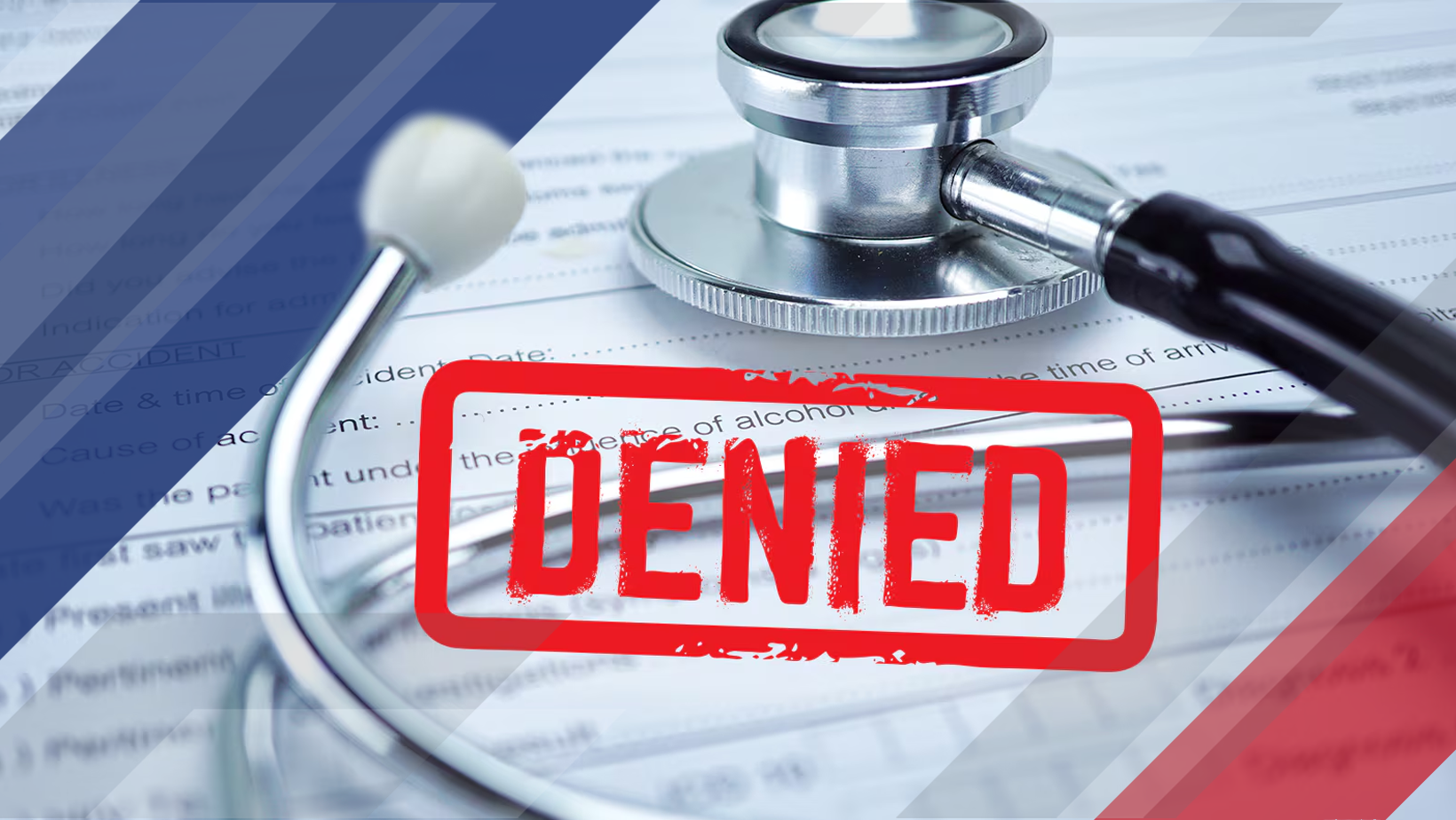
The insurance industry is watching closely as The Schall Law Firm launches an investigation into whether CVS Health Corporation, through its Aetna Medicare Advantage plans, improperly denied prior authorization requests for post-acute care services. At the center of the probe is a familiar tension for insurers using artificial intelligence. How do you gain efficiency without crossing legal and contractual boundaries that safeguard patients and providers?
“Anytime automated tools influence clinical or financial decisions, there must be clear oversight and accountability.”
State Regulatory Analyst
The Heart of the Allegation
At issue is the claim that CVS/Aetna relied on AI programs to determine coverage following hospital stays. Post-acute care is often time sensitive. Delays or denials can disrupt recovery and create downstream medical and financial risk. The investigation is exploring whether these automated tools may have contributed to inappropriate denials, potentially violating state insurance laws and breaching contractual obligations with Medicare Advantage members.
For payers, the implication is broader than a single dispute. This case underscores a growing reality. AI is not just a workflow enhancer. It is now a central actor in coverage decisions that regulators, attorneys, and consumers are increasingly scrutinizing.
“The industry is validating that AI must support, not supplant, the obligations insurers have to their members.”
Healthcare Compliance Consultant
Why This Matters to Insurance Leaders
While AI promises operational speed, it also introduces new risk vectors. This situation highlights emerging themes that every insurer using automated decision-making should keep top of mind.
Key Considerations for Insurers Using AI
-
How automated tools influence medical necessity assessments
-
Whether AI outputs receive meaningful human review
-
How timely post-acute authorizations affect outcomes and liabilities
-
The adequacy of disclosure, governance, and documentation
-
Readiness for state-level regulatory inquiries into AI usage
Market Ripple Effects Ahead
The CVS/Aetna investigation may shape not only internal processes but also external market dynamics. Provider networks are increasingly attentive to authorization friction. Medicare Advantage plans face rising scrutiny over timeliness and fairness in coverage decisions. As AI becomes more integrated, insurers can expect heightened expectations for transparency, auditability, and responsiveness when concerns are raised.
A simple illustration of how AI can influence prior authorizations shows the operational crossroads insurers now face:
| Factor | Traditional Review | AI-Augmented Review |
|---|---|---|
| Speed | Moderate | High |
| Consistency | Variable | High |
| Transparency | Clear documentation | Often opaque |
| Regulatory scrutiny | Standard | Intensifying |
| Risk of over-denial | Lower | Potentially higher if poorly calibrated |
Looking Ahead
For insurance professionals, this investigation is more than a news headline. It is a signal that regulators are preparing to more actively examine AI in claims operations. The way CVS/Aetna responds may set practical expectations for the entire industry. Forward-thinking insurers will use this moment to reassess governance, tighten oversight of automated tools, and reinforce the guardrails that protect plan members.
As AI continues to transform the payer ecosystem, the companies that navigate this balance well will not only mitigate compliance risk but also reinforce trust across providers, policyholders, and regulators.