
West Virginia Supreme Court Ruling on Underinsured Vehicles
The Supreme Court of Appeals in West Virginia has ruled that a vehicle not involved in an accident can still be considered “underinsured” under state law, setting a precedent that conflicts with the coverage clauses of certain insurance policies.
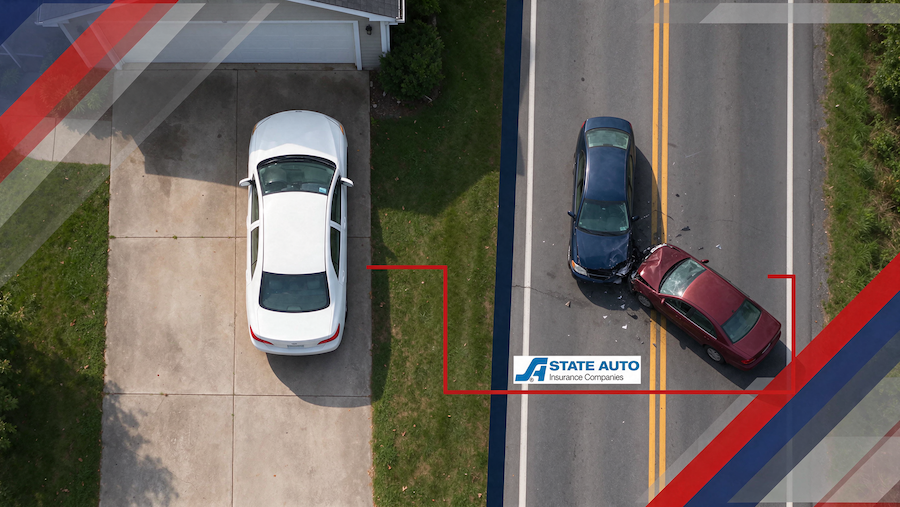
In a case involving a tragic collision on Ohio State Route 7, where five individuals lost their lives, including driver Caleb Ratcliffe and passenger Sierra Mattson, the court invalidated a specific provision in Milbank Insurance Company's policy. Although Ratcliffe’s car was uninvolved and parked at his home, the estate of Mattson pursued additional underinsured motorist (UIM) benefits from Milbank, claiming Ratcliffe’s vehicle should qualify as underinsured. Milbank opposed this, arguing their policy necessitated the vehicle's involvement in the crash. Despite an intermediate appellate court supporting Milbank's view based on policy language, West Virginia’s highest court reinstated the original ruling to align with state statutes, which allow a broader interpretation.
Implications for Insurance Providers
The decision has significant implications for insurance companies operating within West Virginia. Given the court's determination that an underinsured vehicle does not need to be part of the accident, insurers must ensure their policy language is compliant with state law to avoid similar legal defeats. This case highlights the potential for policy provisions to be considered unenforceable if they contradict state law's broader definitions, underscoring the importance of periodic policy reviews from a compliance perspective. Furthermore, insurers should monitor ongoing lower court proceedings regarding related issues, such as allegations of defective UIM selection forms and claims of bad faith, as these could have additional ramifications on claims processing and liability.
Practical Steps for Compliance
- Review existing UIM coverage terms to ensure compliance with state definitions.
- Align policy provisions with legislative directives to avoid legal disputes.
- Stay informed about further legal developments and adapt strategies accordingly.
The ruling emphasizes a commitment to broader compensatory policies and aligns with state objectives aimed at full compensation for injured parties. It serves as a critical reminder to insurers to meticulously review coverage terms in the context of evolving legal interpretations to mitigate risks and uphold policyholder trust.