
High-Speed Chase Highlights Legal and Insurance Implications
A Wyoming man faces serious charges following a dangerous high-speed chase that involved multiple police departments.
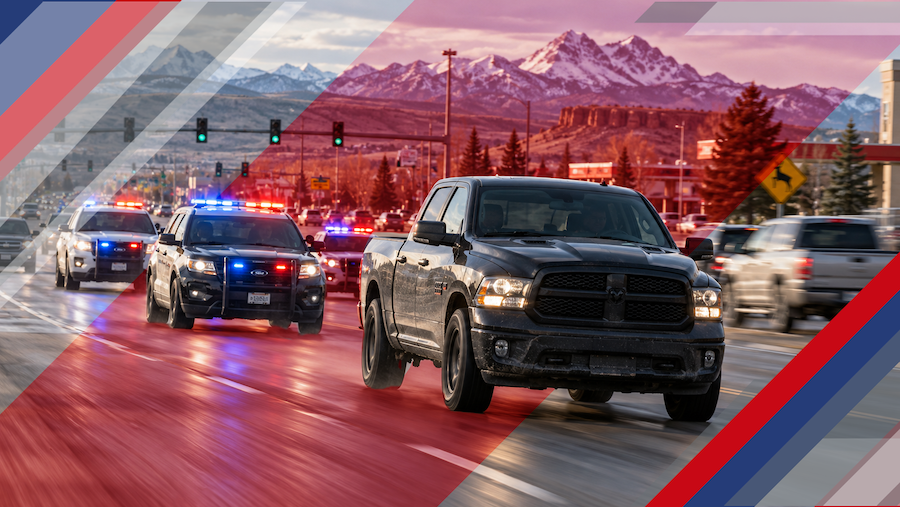
Julien Alexander Reeves, 21, is charged with eluding law enforcement and reckless endangerment in circuit court, where a $5,000 bond has been set. Pleading not guilty, Reeves's actions have put a spotlight on vehicular safety and legal ramifications in high-stakes police pursuits. His case unfolds in the legal system amidst elevated concerns over community safety and law enforcement protocols.
Unfolding the Pursuit
The incident began when Casper Police Department's Officer Kaysia Skinner observed two vehicles speeding on East 2nd Street. After pursuing the truck that turned off its headlights, dense traffic forced Skinner to halt the chase. However, the situation escalated when Mills Police Officer Terry Good later spotted the truck on Yellowstone Highway, going 85 mph and attempting to outmaneuver the police.
Using dangerous tactics, the vehicle ran through a red light, entered an opposing traffic lane, and breached speeds over 100 mph. The pursuit concluded when the truck finally stopped after narrowly avoiding a roadside sign, leading to Reeves's arrest at gunpoint alongside two unknowing female passengers.
Implications for Insurance and Law Enforcement
This event illustrates the complex dynamic between police pursuit policies and public safety. High-speed chases inherently present significant risks, potentially impacting both insurance coverage and liability. Insurance professionals might be interested in evaluating how such incidents influence underwriting considerations, premiums, and claims related to reckless driving.
| Charge | Details |
|---|---|
| Eluding Law Enforcement | High-speed chase through traffic Multiple police departments involved |
| Reckless Endangerment | Speeds exceeded 100 mph Unsafe driving maneuvers |
| Speeding | Recurrent throughout the chase Additional legal implications |
The case remains ongoing as legal proceedings continue, offering a poignant reminder to insurance and law enforcement professionals about the critical need for coordination in managing high-risk situations to protect communities and ensure public safety.