
Understanding Homeowners Insurance: Who Covers the Cost When Trees Fall?
Understanding Homeowners Insurance: Who Covers the Cost When Trees Fall?
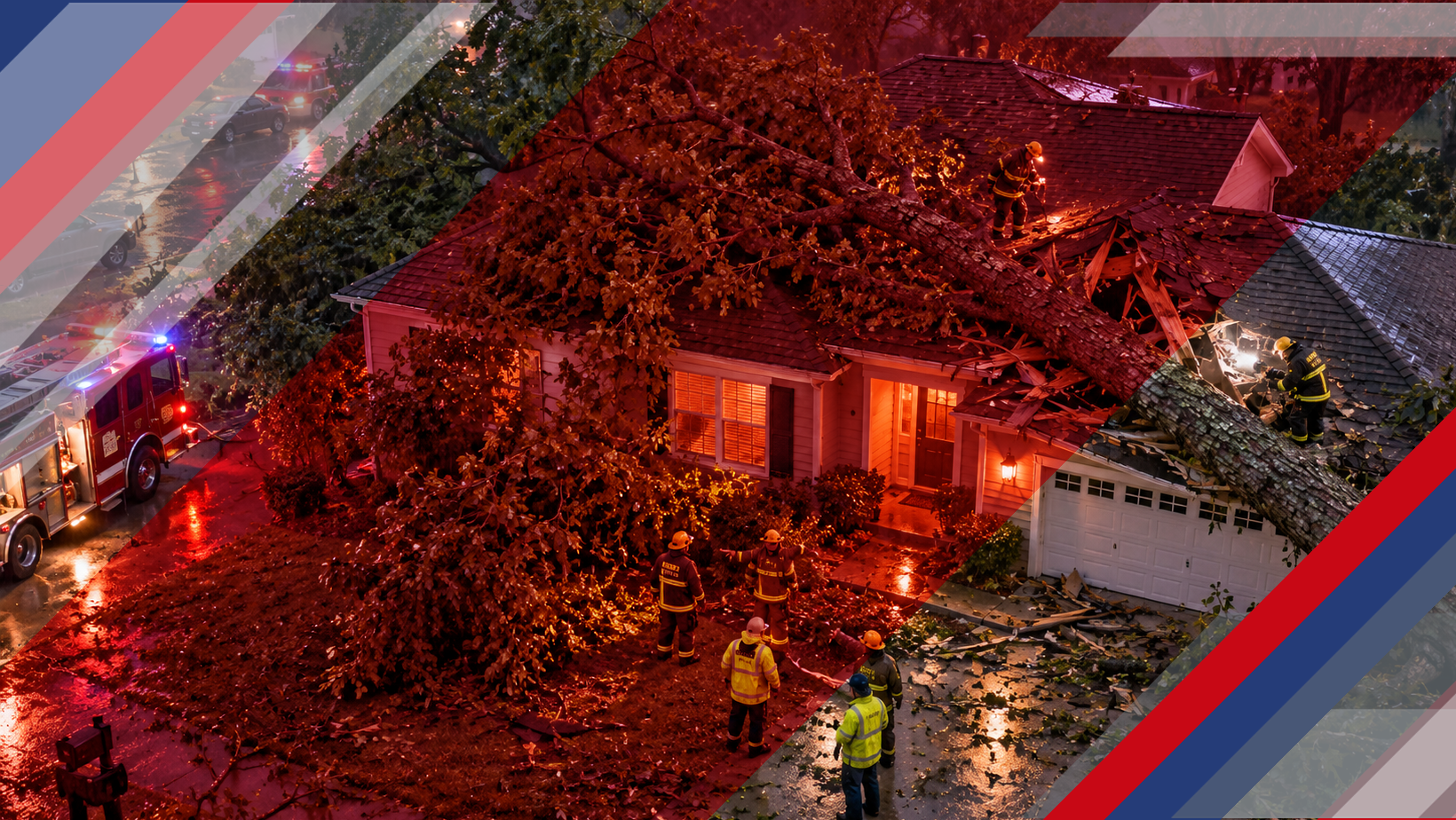
When it comes to fallen trees and the resulting property damage, homeowners often face confusion about who is financially responsible for repairs. Mercury Insurance emphasizes that responsibility largely depends on the circumstances surrounding the fall, not necessarily the ownership of the tree.
Factors Influencing Coverage
Environmental conditions such as heavy rain, strong winds, and saturated soil significantly increase the risk of trees falling, particularly during storm seasons. Homeowners might mistakenly assume that the owner of the tree is always liable for damage. However, Mercury Insurance clarifies that factors such as the tree's health, the cause of the fall, and specific homeowners insurance policy details play a crucial role in determining liability and coverage.
Damage to Your Own Property
If your tree falls onto your own property during a covered event—such as a windstorm—your homeowner's insurance may cover the repairs, subject to the policy's terms and deductible. The coverage typically extends to house damage and can include other structures, but not the replacement of the tree itself. However, if the fall was due to negligence or deterioration, coverage may not apply.
Neighbor’s Tree on Your Property
When a neighbor's tree damages your property, their liability isn't automatic. If a storm caused a healthy tree to fall, your insurance might cover the damage. Conversely, if the tree was hazardous and lacked proper maintenance, negligence may establish liability. In such cases, insurers may seek reimbursement from the neighbor's insurer through subrogation, though this depends on the ability to prove negligence.
Addressing Tree Removal Costs
Tree removal costs are another consideration, often dependent on the fall's impact. While some policies cover removal if the tree damages insured structures, they generally do not if the tree falls harmlessly. Understanding policy terms beforehand is essential to managing these unexpected expenses.
| Scenario | Key Insurance Consideration |
|---|---|
| Your Tree Falls on Your Property | Coverage depends on the cause: sudden events may be covered, negligence is not. |
| Neighbor’s Tree Falls on Your Property | Your insurance may cover it unless negligence by the neighbor is demonstrated. |
| General Tree Removal | Limited coverage, often contingent on damage to insured structures. |
Actions and Prevention
After tree damage, Mercury Insurance suggests several key actions. Homeowners should document damage, avoid further risks, and contact their insurer promptly. Understanding and addressing policy specifics with the insurer is critical, especially if legal liability may be involved. Additionally, proactive maintenance and inspection can mitigate future risks, with professional evaluations serving as a preventative measure.
"A fallen tree can create a stressful situation, especially when it damages someone else's property. It's vital for homeowners to understand that owning a tree doesn’t necessarily mean responsibility for all related damages."
- Bonnie Lee, Vice President of Property Claims, Mercury Insurance
Overall, understanding your policy and taking preventive actions can streamline the claims process and mitigate future liabilities. As storm seasons approach, consultation with insurance agents on potential tree-related coverage is a prudent step for homeowners.