
South Carolina's Burglary Crisis: Safeguarding Women at Home
A series of late-night burglaries targeting women alone in Greenville County, South Carolina, is drawing attention to residential security, renters insurance, and the limits of coverage when a home invasion causes harm beyond stolen property.
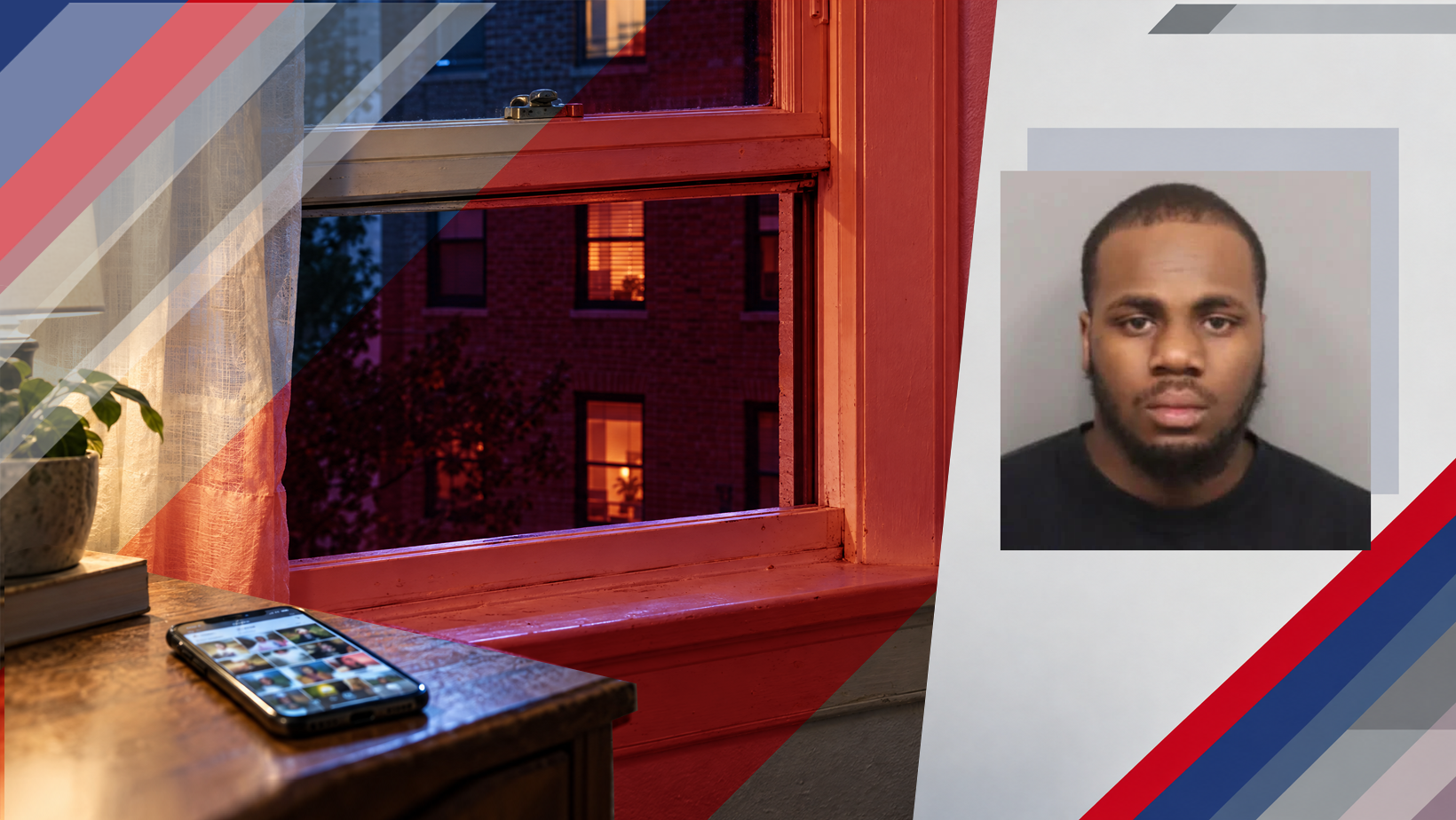
The Greenville County Sheriff's Office says investigators identified a pattern of break-ins and attempted break-ins in which women were alone inside their homes. The investigation led to the October 22 arrest of 25-year-old Terron Lamon Banks at a Spartanburg County bus station as he allegedly attempted to travel to Atlanta.
Banks faces four counts of first-degree burglary, one count of grand larceny, and one count of voyeurism in connection with four September incidents. Authorities are investigating five additional cases with similar circumstances, including allegations involving criminal sexual conduct. Those additional cases have not resulted in charges against Banks as reported, and the existing charges remain allegations unless proven in court.
How the Greenville Investigation Unfolded
Investigators became aware of the similarities among the cases on October 16. According to the sheriff's office, one September incident involved an attempted entry into an occupied apartment before the resident woke up and the suspect fled. In another, property was stolen from an unoccupied apartment. Surveillance footage and a public tip helped detectives identify a suspect.
One of the most troubling allegations involves an apartment entered through an unlocked window while a woman slept. Investigators say the intruder accessed the resident's phone and sent himself photographs from her gallery. The detail makes clear that a residential intrusion can involve both physical property and deeply personal digital information.
Following an unsuccessful attempt to stop Banks on October 19, deputies from neighboring Spartanburg County assisted in his arrest three days later. Authorities have also submitted DNA evidence related to the five additional cases to the South Carolina Law Enforcement Division for examination. Whether those incidents are connected remains under investigation.
“Certainly relieved to have him in custody before he got out of the county and possibly harm somebody else.”
For residents, the investigation raises immediate safety concerns. For insurance professionals, it illustrates how a single incident can create several very different kinds of losses, not all of which fall within a standard property policy.
What Homeowners and Renters Insurance May Cover
The National Association of Insurance Commissioners identifies theft and vandalism among the perils commonly covered by homeowners insurance. Renters insurance typically provides protection for a tenant's personal belongings, while the landlord's policy generally addresses the building itself. The precise coverage depends on policy language, limits, exclusions, deductibles, and the facts of the loss.
If a burglar steals a laptop, jewelry, or other household possessions, personal property coverage may respond. Damage to an insured home's window or door caused by a break-in may also fall within the applicable dwelling coverage. For renters, damage to the building itself generally remains the property owner's insurance responsibility, although liability questions can depend on the circumstances.
A theft claim is not automatically payable in full. Policyholders must account for their deductible, any special limits on categories such as jewelry, and whether belongings are insured at replacement cost or actual cash value. These distinctions can be especially important when stolen electronics or personal items are expensive to replace.
When a Break-In Causes More Than Property Loss
An intrusion involving threats, stalking, alleged sexual misconduct, or unauthorized access to personal photographs creates consequences that extend beyond the usual stolen-property claim. Standard homeowners and renters policies are not general compensation programs for emotional trauma, assault, or privacy violations. Specialized coverage or other recovery mechanisms may be relevant, but agents should not imply that ordinary theft insurance pays for every consequence of a home invasion.
The alleged access to a resident's phone also shows why digital privacy belongs in the conversation. Some insurers offer identity theft assistance or optional cyber-related protection, but these products vary significantly. Identity theft benefits, for example, do not necessarily cover unauthorized viewing or transfer of private photographs. The coverage grant and exclusions must be reviewed before making promises about reimbursement or services.
The Renters Insurance Gap Is Especially Important
Several incidents under investigation involved apartments, making renters coverage a practical consideration. Tenants sometimes assume a landlord's insurance will reimburse them if their belongings are stolen. It generally will not. The landlord's policy protects the owner's insured interests, not the tenant's personal property.
For agencies, this is an opportunity for a straightforward coverage review rather than a fear-based sales pitch. A client may have substantial value in clothing, furniture, computers, kitchen equipment, and other possessions even without owning particularly expensive valuables. A written inventory and photographs can make it easier to establish ownership and value after a loss.
Coverage also should be considered alongside prevention. Security measures can reduce vulnerability, but an unlocked window does not by itself establish whether a theft claim is covered or excluded. Any claim decision must rest on the specific contract and facts, not an assumption that the resident failed to take sufficient precautions.
Practical Steps Agents Can Share With Clients
The sheriff's office has urged residents to remain vigilant and keep doors and windows secured. Insurance professionals can reinforce sensible loss prevention without suggesting that residents are responsible for criminal actions committed against them.
- Check door and window locks, including ground-floor and easily accessible apartment windows.
- Review personal property limits, deductibles, and coverage for valuable electronics and jewelry.
- Keep a current home inventory, with photos and receipts stored somewhere secure.
- Consider appropriate lighting, cameras, or monitored alarms, and ask whether qualifying discounts apply.
- After a suspected intrusion, prioritize personal safety, contact law enforcement, preserve evidence, and notify the insurer promptly.
Security cameras and alarms may provide useful evidence and deterrence, but they cannot guarantee prevention. An insurance conversation should address the financial protection available if precautions fail.
What the Case Means for Agencies and Carriers
For independent agents and agencies, events like these reveal how easily customers can misunderstand the boundaries between homeowners, renters, personal liability, and optional cyber or identity protection. A brief explanation of what is covered, what is limited, and what is excluded can improve expectations before a loss occurs.
For carriers, the case reinforces the importance of understandable policy language and responsive claims handling after distressing events. Customers reporting a burglary may be frightened, displaced, or concerned about their personal security. Clear instructions for documenting property damage and theft, along with careful communication about coverage, can make the claims experience less confusing.
The allegations also highlight an important distinction for property managers and apartment owners. Building security, tenant communication, and maintenance of common-area access controls can raise operational and liability considerations separate from residents' personal property insurance. Whether any particular duty was breached depends on applicable law and the facts of the case.
A Community Investigation With Wider Lessons
Greenville County investigators continue to examine other incidents and are encouraging anyone with relevant information or evidence to contact the sheriff's office at 864-467-5300. Additional findings may clarify the scope of the alleged crimes and whether more cases are connected.
For insurance professionals nationwide, the practical lesson is broader than one criminal investigation. Residential security and insurance serve different purposes: preventive measures aim to reduce the likelihood of an intrusion, while coverage can help address specified financial losses afterward. The strongest client conversations explain both, without confusing property protection with a guarantee of personal safety.