
Lamborghini Rental Fire Incident Sparks Insurance Review
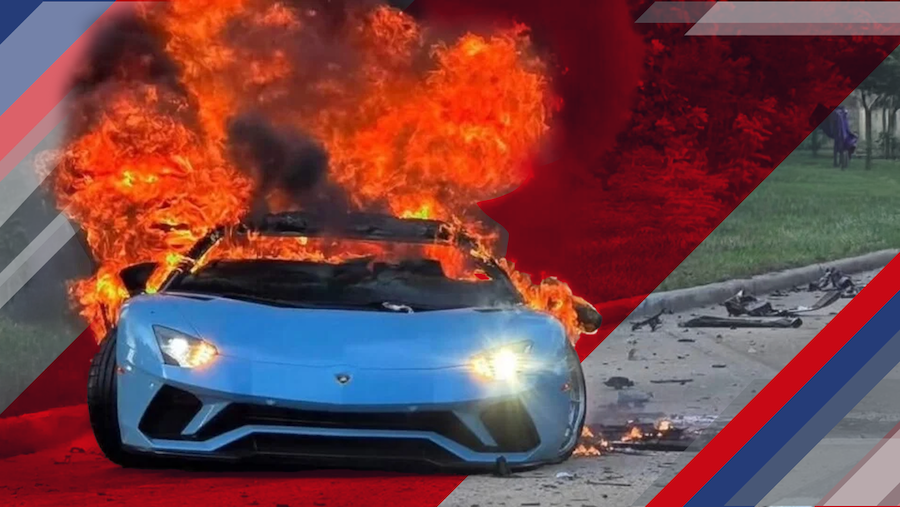
A Lamborghini rental was destroyed by fire after a violent crash at a Tennessee gas station, turning what began as a vehicle loss into a potentially complicated web of auto, liability, property and rental-car insurance claims.
The crash occurred near Highway 41A and Maxey Road in the Pleasant View and Cedar Hill area of Cheatham County. According to fire officials, the Lamborghini left the roadway, struck vehicles near the scene and collided with a fuel pump before catching fire. Bystanders reportedly pulled the unconscious driver from the vehicle before emergency crews arrived.
Firefighters encountered the Lamborghini heavily involved in flames. Heat from the fire damaged portions of the gas station's fuel-pump equipment and overhead canopy, but crews activated the station's emergency fuel shutoff before gasoline from the pumps became involved in the blaze. The Lamborghini itself was essentially destroyed.
The incident reportedly involved a college student attending Austin Peay State University's homecoming weekend, and the Lamborghini was described by local officials as a rental. Reports have differed on some details of the collision, including the involvement of other vehicles, while authorities continued working to determine precisely what happened. A possible medical episode preceding the crash has also been reported.
For insurance professionals, those unresolved facts matter. A loss involving an ordinary rental car can already involve several layers of coverage. Substitute an exotic vehicle, add third-party property damage, a fire at a fuel station and questions about the circumstances leading to the collision, and determining who pays can become significantly more complicated.
An Exotic Rental Changes the Coverage Conversation
Consumers frequently assume that insurance protection available for an ordinary rental vehicle will work the same way for a Lamborghini, Ferrari or other high-value automobile. That assumption can create a major coverage gap.
A personal auto policy may extend certain liability and physical-damage protections to a temporary rental vehicle, depending on the policy, the insured's existing coverage and the circumstances of the rental. But coverage should never be assumed solely because the renter carries comprehensive and collision on a personally owned vehicle.
The vehicle's value, type, use and rental arrangement can all matter. Exotic-rental companies may also operate under agreements that impose responsibilities far beyond the repair cost of the automobile itself.
Credit-card benefits create another potential source of confusion. Rental-car collision benefits offered through some cards can exclude expensive, exotic or specialty vehicles, and Lamborghini models have specifically appeared among excluded vehicles in some benefit agreements. Other programs impose maximum vehicle values or additional eligibility requirements.
That makes the pre-rental conversation especially important. A renter who believes a credit card automatically protects a six-figure exotic vehicle could discover after a loss that the vehicle never qualified for the benefit.
The Destroyed Lamborghini May Be Only One Part of the Claim
The dramatic image is the burned-out sports car, but the insurance exposure surrounding an accident like this can extend well beyond the vehicle.
If the Lamborghini was a covered rental and was considered a total loss, the rental company may pursue payment for the vehicle under its own insurance program, a loss-damage waiver, the renter's applicable insurance or another responsible party, depending on the contracts and coverage involved.
There can also be expenses that consumers do not immediately associate with a total-loss claim. Rental agreements may address towing, storage, administrative expenses and loss-of-use charges for the period during which the rental company cannot generate revenue from the damaged vehicle. Whether those amounts are covered depends on the applicable policy, waiver and rental agreement.
With a specialty rental fleet, the stakes can be much greater than with a conventional sedan. Replacement costs are higher, vehicle availability can be limited and the economics of taking a high-value automobile out of service can become part of the dispute.
Third-Party Property Damage Can Quickly Expand the Exposure
The gas station adds another significant layer. The collision reportedly damaged a fuel pump, and heat from the vehicle fire affected additional pumping equipment and the canopy.
Property-damage liability coverage is designed to respond when an insured driver becomes legally responsible for damaging property belonging to someone else, subject to the policy's terms and limits. In a loss like this, potentially damaged property can include far more than the pump that was struck.
A station operator could face repairs to dispensing equipment, electrical systems, protective barriers, pavement, signage, canopy components or other property affected by the crash or heat. The business may also experience some level of operational interruption while equipment is inspected, secured or repaired.
Those losses do not necessarily fall into one insurance bucket. Depending on the facts, the gas station's own commercial property coverage may respond to covered damage while insurers investigate recovery from responsible parties. Business income coverage could also become relevant if covered property damage forces a temporary shutdown or reduces operations, depending on the policy and resulting loss.
Liability Limits Matter More When Several Losses Collide
One of the most useful lessons for agents is that liability limits are tested by the total loss, not merely by the most visible damaged object.
A driver involved in a serious collision could potentially face claims involving another vehicle, commercial property, emergency-related expenses or bodily injury. Even where some reported elements of this Tennessee crash remain under investigation, the incident illustrates how quickly several categories of damage can arise from one event.
State-required minimum liability limits may satisfy legal requirements but can prove inadequate when expensive property is involved. Agents discussing rental vehicles with clients should therefore look beyond the question of whether the client technically has liability insurance and consider whether the available limit is appropriate for the potential exposure.
A Reported Medical Episode Could Affect the Investigation
Authorities have reported that the driver may have experienced a medical episode before losing control of the Lamborghini. The precise circumstances had not been fully established in the immediate aftermath of the crash.
For claims professionals, establishing the sequence of events will be important. Investigators may examine witness accounts, roadway evidence, available video, vehicle information, emergency-response records and other evidence to determine how the collision developed.
A reported medical event does not by itself resolve questions of insurance coverage or legal liability. Those issues depend on the specific facts, applicable law, policy language and the circumstances known before the incident. Claims teams must therefore distinguish between the physical cause of a crash and the separate contractual and legal questions governing coverage and responsibility.
The Rental Agreement May Be Just as Important as the Auto Policy
With high-value rentals, the rental contract deserves particular attention. Agreements can establish who is authorized to drive, where the vehicle can be operated, what activities are prohibited and what financial responsibilities the renter accepts if the automobile is damaged.
A violation of those conditions can create significant complications. Some loss-damage waivers and insurance benefits contain restrictions involving unauthorized drivers, prohibited uses, racing, impaired driving or other violations of the rental agreement.
That is why an agent evaluating a client's protection should not stop after confirming that a personal auto policy exists. The insurance contract, rental agreement, rental company's protection package and any credit-card benefit should be considered together.
What Agents Should Ask Before a Client Rents a High-Value Vehicle
Most consumers will never file a claim involving a Lamborghini and a fuel pump, but exotic-car rentals are increasingly accessible for vacations, weddings, celebrations, corporate events and special occasions. That creates an opportunity for agents to address the exposure before the keys change hands.
- Does the personal auto policy extend physical-damage coverage? Confirm how rented or non-owned vehicles are treated and whether relevant limitations apply.
- Is the exotic vehicle eligible? Do not assume a Lamborghini is treated like a standard passenger rental.
- What does the rental company's waiver actually cover? Review deductibles, exclusions, prohibited uses and other renter responsibilities.
- Does the credit-card benefit exclude exotic cars? Vehicle eligibility should be confirmed before relying on card protection.
- Are liability limits sufficient? Consider the possibility of damaging expensive vehicles, buildings or commercial property.
- Who is authorized to drive? Every expected driver should comply with the rental contract and applicable coverage requirements.
Emergency Response Also Shapes the Size of the Loss
The incident offers another insurance lesson that has little to do with exotic cars. Loss mitigation can dramatically change the trajectory of a claim.
Bystanders reportedly removed the unconscious driver before the Lamborghini became fully engulfed. Firefighters then activated the station's emergency fuel shutoff while the vehicle burned close enough to damage pumping equipment and the canopy.
Fire officials reported that fuel from the pumps did not become involved in the blaze. Given the location of the crash, preventing the incident from spreading through the station's fuel infrastructure was an important containment measure.
For commercial insureds, that reinforces the value of emergency controls that employees and responders can access quickly. Fuel shutoffs, fire-protection equipment, barriers, emergency procedures and employee training may receive less attention than premiums and deductibles, but they can play a direct role in reducing the severity of a property loss.
Carriers May Face a Coverage Puzzle Before They Face a Payment
A complex rental loss can trigger coordination among multiple insurers. A personal auto carrier may need to determine whether and how its policy applies to the rented vehicle. The rental company's insurer may evaluate physical damage to its automobile. A commercial property insurer may become involved with damage at the fuel station, while liability carriers investigate responsibility for third-party losses.
Subrogation can become important after those initial claims are paid. An insurer compensating its policyholder for covered property damage may later seek recovery from another responsible party or insurer. The same event can therefore continue generating claims activity long after the burned vehicle has been removed from the scene.
For carriers, early evidence preservation matters. Photographs, video, rental documents, driver information, emergency reports and records showing the condition of damaged property can help clarify which coverage applies and how losses should ultimately be allocated.
A Useful Client Conversation Hidden Inside an Extraordinary Crash
Few agents will encounter a claim with this exact combination of a Lamborghini, a gas station and a vehicle fire. The underlying coverage questions, however, are surprisingly ordinary.
Clients rent vehicles without checking their policies. They assume credit-card protection covers every automobile. They accept or decline rental-company products without understanding the difference between liability insurance and a damage waiver. They may also assume that having "full coverage" on a personal vehicle automatically eliminates every rental-car exposure.
That gives agencies a practical reason to include rental-car questions in routine coverage reviews, particularly for clients planning vacations, special events or high-value vehicle rentals. Asking what the client intends to rent can be just as important as asking where the client is going.
The Tennessee crash ultimately demonstrates how quickly one driving event can cross multiple insurance lines. There is the value of the rental car, potential liability to third parties, damage to commercial property, possible business interruption and the contractual obligations contained in the rental agreement itself.
For insurance professionals, the takeaway is not that exotic rentals are inherently uninsurable. It is that assumptions become expensive when the asset being rented is unusual. A short coverage conversation before the rental begins can uncover exclusions, limits and contractual obligations that may be nearly impossible to fix after a six-figure automobile is sitting burned beyond recognition.