
Stable Rates of Uninsured Americans and Implications for Insurers
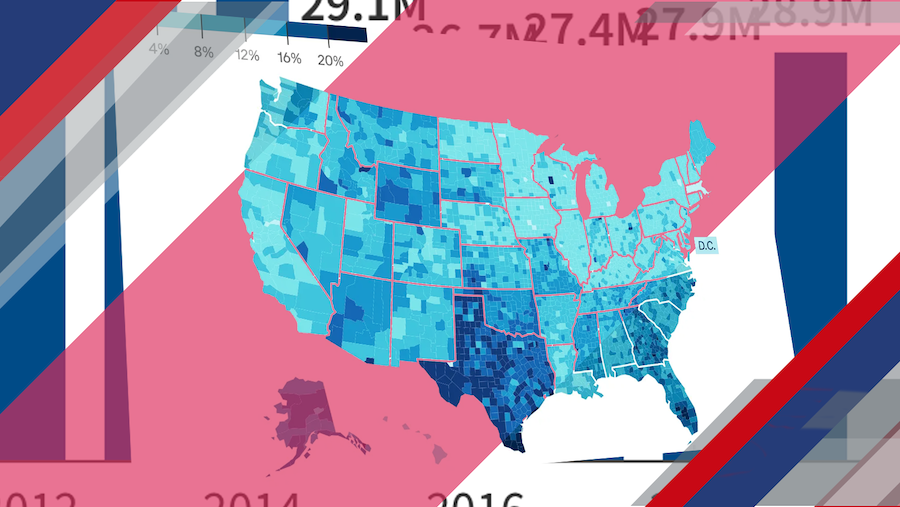
The most recent figures from the U.S. Census Bureau reveal a stable rate of uninsured Americans in 2025, maintaining near historic low levels and illuminating key shifts in the health insurance landscape.
The Current Population Survey Annual Social and Economic Supplement indicates that 26.7 million individuals, or 7.9% of the population, lacked health insurance at some point in 2025. This marks a marginal improvement from 2024's 27.1 million but still represents an enduring challenge for the insurance sector. Amid these statistics, the official poverty rate has dipped to 10.2%, the lowest ever recorded, while median household income saw a 2.6% boost, reaching $87,460 when adjusted for inflation. However, the Supplemental Poverty Measure slightly increased from 12.9% to 13.1%.
For insurers, these figures have broad implications, particularly in understanding coverage affordability and shifts in consumer preferences. The data also preempt a critical juncture as enhanced premium tax credits for Affordable Care Act (ACA) marketplace plans expired. These credits, which once significantly lowered costs for around 22 million plan participants, are no longer in place, resulting in an alarming 114% hike in the average annual premium for subsidized marketplace users—from $888 to $1,904, according to the Kaiser Family Foundation. This led to a decrease in marketplace enrollment from 24.2 million to approximately 23 million.
Impact on Health Insurance Strategies
The anticipated fallout from the subsidies' expiry signals a potential rise in uninsured rates. Projections from the Urban Institute and the Commonwealth Fund suggest that around 4.8 million individuals may lose coverage, with an additional 3.2 million moving to employer-sponsored plans due to rising individual-market premiums. This situation poses significant challenges for brokers and benefits consultants, who are witnessing increased demand from consumers once reliant on affordable marketplace plans.
Market Shifts and Strategic Responses
Despite the Bureau's report not breaking down coverage types for 2025, previous data highlights employment-based insurance as covering the largest segment, followed by Medicare, Medicaid, and ACA marketplace plans. With the subsidy expiration, the performance of these direct-purchase options is under scrutiny, necessitating strategic adjustments by insurers.
The insurance market's attention is turning to small businesses, where coverage may be less accessible. Brokers can play a pivotal role in identifying alternative solutions to address escalating costs in individual markets. This involves strategizing around new offerings tailored to small enterprises and adaptive benefits packages.
Looking Ahead: Legislative and Market Implications
The current economic indicators, while positive, act as a prelude to potentially transformative changes in the insurance industry. As legislative developments concerning the ACA continue to unfold, insurers must stay vigilant, preparing for new regulations and cultivating resilience against the backdrop of these policy shifts.