
The Villages Health System Settles $541.5M For False Claims Act Violations
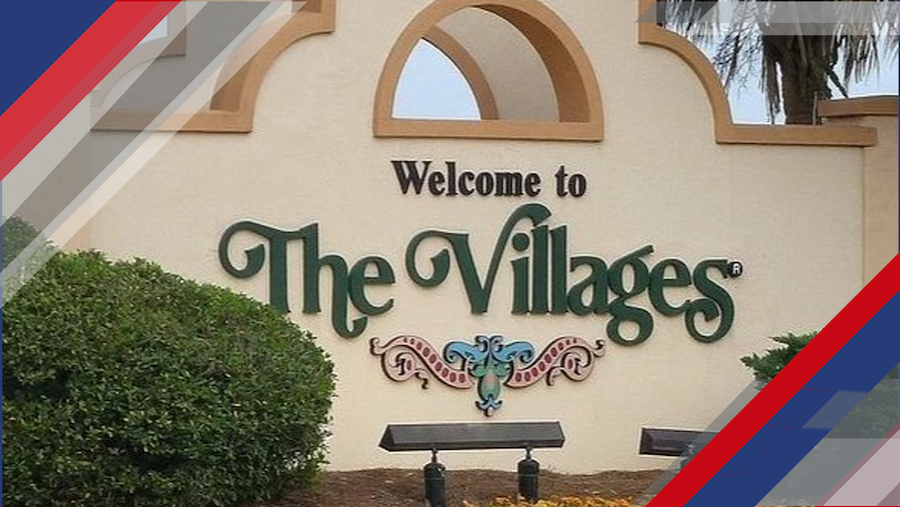
The Villages Health System LLC (TVH) in Florida has settled a $541.5 million claim related to accusations of False Claims Act violations, highlighting critical concerns about Medicare Advantage integrity and compliance.
TVH disclosed inaccuracies in diagnosis codes that led to higher Medicare Advantage payments, prompting this substantial settlement. The self-reporting was a key move that influenced both the investigation and its resolution. Such inaccuracies reflect a broader trend where inflated diagnosis codes can result in unwarranted financial gains, emphasizing the importance of regulatory oversight and ethical practices in the insurance sector.
Implications for Medicare Advantage
Medicare Advantage, which allows private insurers to receive payments from the Centers for Medicare & Medicaid Services (CMS) based on patients’ health risk profiles, is particularly vulnerable to inflated claims. In the TVH case, unsupported codes were reported to Medicare Advantage Organizations (MAOs) from 2020 to 2024, which led to increased payments. This scheme involved prominent MAOs such as Humana Inc., UnitedHealthcare, and GuideWell Mutual Holding Corporation, necessitating they return overpaid funds.
Regulatory Response and Legal Measures
The Department of Justice and the Office of Inspector General (OIG) were pivotal in resolving the issue. Enforcement reflects a dedication to preventing fraud across federal programs, where the False Claims Act serves as a primary legal framework. Assistant Attorney General Brett A. Shumate and other legal authorities underscored the commitment to hold organizations accountable for fraudulent activities, while also rewarding proactive disclosure and cooperation, as demonstrated by TVH.
Bankruptcy and Financial Strategy
Submitting invalid diagnosis codes wasn’t the only financial management issue TVH faced; they also filed for Chapter 11 bankruptcy in July 2025. The settlement, subsequently approved, required strategic maneuvers from all involved stakeholders. MAOs involved will have to repay CMS through structured adjustments. This decision reflects ongoing complexity in aligning debt responsibilities with compliance obligations.
Role of Self-Disclosure and Compliance Protocols
TVH's choice to utilize the OIG’s Self Disclosure Protocol indicates a proactive approach to managing potential liabilities. Such protocols can mitigate penalties and encourage cooperation. This case exemplifies the value of self-regulation and transparency within the insurance industry, underscoring how compliance can trigger more favorable resolutions, even amidst allegations.
| Entity | Role |
|---|---|
| TVH | Self-reported diagnosis inaccuracies, settled claims |
| MAOs (Humana, UnitedHealthcare, GuideWell) | Return overpayment to CMS |
| Department of Justice and OIG | Facilitated investigation and settlement |
Future Considerations for the Industry
This case underscores a growing focus on compliance and risk management for carriers and providers. By scrutinizing systems for potential inaccuracies and leveraging available disclosure avenues, entities can better navigate regulatory landscapes. Industry professionals should remain vigilant for forthcoming modifications in compliance requirements that may arise due to increased scrutiny on Medicare Advantage operations.