
Allstate Claims University: Innovating Insurance Training Solutions
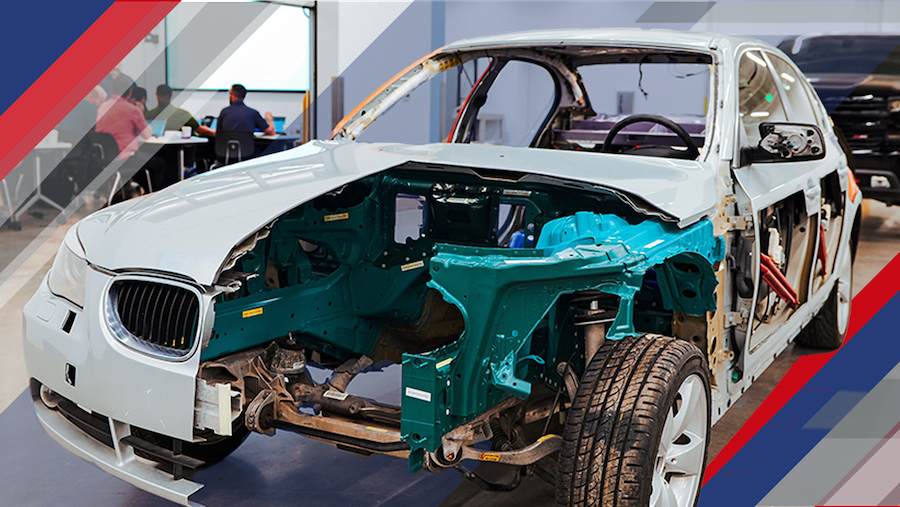
Allstate has opened a 33,000-square-foot claims training campus in Dallas where adjusters can investigate damaged homes, examine nearly 30 vehicles and practice the decisions that shape a policyholder’s recovery.
Allstate Claims University is designed to strengthen the capabilities of 23,000 claims professionals who collectively support approximately 8.5 million claims each year. Rather than relying exclusively on classroom instruction or digital simulations, the facility places employees inside realistic property and auto loss scenarios.
The investment comes as claims professionals face a more complicated mix of severe weather, changing construction practices, advanced vehicle systems and rising repair costs. For agents and agencies, the university also underscores an important point: the customer experience promised during the sale is ultimately tested by what happens after a loss.
Two Labs Built Around Real Damage
The campus centers on separate Property and Auto Labs designed to expose claims professionals to conditions they will encounter in the field.
The Property Lab contains two full-scale, two-story homes. One recreates damage involving water, fire, wind, hail and structural impacts. The other reveals building systems and materials that would normally remain hidden behind walls, ceilings and floors.
That combination allows trainees to follow damage beyond its most obvious signs. A water stain, for example, may be only the visible portion of a loss involving insulation, framing, wiring or flooring. Understanding how damage travels through a structure can help an adjuster develop a more complete repair assessment and explain the process more clearly to the homeowner.
The Auto Lab can accommodate nearly 30 electric, hybrid and conventional vehicles. Its design incorporates insights from more than 3.5 million claims data points, connecting training scenarios with patterns Allstate has observed across a large volume of actual losses.
Claims professionals can examine collision, flood, hail and structural damage while working with airbags, cameras, sensors, diagnostic equipment and advanced driver-assistance systems. Repair demonstrations provide additional context for determining which components may need replacement, recalibration or further inspection.
Why Hands-On Training Matters Now
A modern claims estimate often involves far more than identifying a dented panel or damaged piece of drywall. Vehicles increasingly place cameras, radar units and other electronic components inside bumpers, windshields and body panels. Even when those systems appear undamaged, certain repairs can require diagnostic scans or precise calibration.
The Insurance Information Institute has identified sensors, computer systems, advanced materials, labor expenses and specialized training as contributors to higher vehicle repair costs. These factors can increase claim severity while making accurate repair planning more dependent on technical knowledge.
Electric vehicles add another layer of complexity. Battery location, high-voltage components, manufacturer repair procedures and specialized safety requirements can affect inspections, repairability decisions and total-loss evaluations. Hybrid vehicles introduce their own combination of electric and internal-combustion systems.
Property claims are becoming more demanding as well. Severe storms can create large volumes of losses across broad geographic areas, while newer building materials and local code requirements can complicate repair estimates. A realistic training environment gives adjusters an opportunity to study these variables before they must make decisions at a damaged home.
The Customer Experience Begins With the Assessment
For a policyholder, the first claims inspection often shapes the entire perception of the carrier. Customers want to understand what was damaged, whether the loss is covered, what repairs may be necessary and how long recovery could take.
A well-trained claims professional cannot eliminate every delay or coverage dispute. However, stronger technical knowledge can support more informed estimates, clearer explanations and better documentation. It may also reduce avoidable supplemental estimates caused by damage or repair requirements that were missed during the initial assessment.
“When someone’s home is damaged by a storm or their vehicle is involved in an accident, they need more than a claim processed: they need an expert who can understand what happened, explain what comes next and help them move forward.”
That distinction matters throughout the distribution chain. Agents may sell the policy and maintain the relationship, but claims professionals deliver the most visible proof of what the coverage provides. When the claims experience is confusing or inconsistent, agents are often the first people customers call for help.
What the Investment Means for Agents and Agencies
Agents do not need to become collision technicians or property estimators. They do, however, benefit from understanding why modern claims can involve more steps than customers expect.
A minor-looking collision may involve hidden sensor damage. A small roof leak may reveal a broader moisture problem. A vehicle may remain at a repair facility while parts, scans or calibrations are completed. These realities can influence conversations about deductibles, rental reimbursement, replacement cost, repair timelines and adequate policy limits.
The university gives agencies several practical issues to revisit with clients:
- Explain that advanced vehicle technology can increase repair complexity after a collision.
- Review rental reimbursement limits against realistic repair and parts timelines.
- Discuss replacement cost and building-code coverage during property renewals.
- Confirm that recent renovations, vehicles and household changes are properly documented.
- Set clear expectations about inspections, estimates, supplements and repair authorization.
These conversations can make the policyholder better prepared before a claim occurs. They can also help the agency explain why two apparently similar losses may require different repair procedures or settlement timelines.
A Broader Operational Lesson for Carriers
For carriers, claims training is not simply a human-resources expense. It touches loss accuracy, cycle time, regulatory compliance, customer retention and expense management.
Standardized instruction can help geographically dispersed claims teams apply more consistent assessment practices. It can also create a controlled environment for evaluating new tools, repair methods and vehicle technologies before they become routine in the field.
The use of millions of claims data points in the Auto Lab is especially notable. Data can reveal recurring damage patterns, repair complications and estimating challenges, while physical training allows employees to see how those patterns appear on an actual vehicle. The combination can be more useful than treating analytics and field expertise as separate disciplines.
Training may also support catastrophe readiness. Large storm events often require carriers to deploy employees and independent adjusters quickly. Professionals who have already examined wind, hail, water and structural damage in realistic settings may be better prepared to identify loss conditions and communicate with affected policyholders under pressure.
Accuracy Must Be Balanced With Speed
Faster claim handling is valuable only when it produces a sound result. An estimate completed quickly but missing necessary repairs can create supplements, additional inspections and frustration later.
The stronger operational goal is an accurate initial assessment accompanied by clear communication. If immersive training helps employees recognize hidden damage and understand modern repair procedures, it could improve both efficiency and consistency without making speed the sole measure of success.
Technology Still Needs Human Judgment
Artificial intelligence, photo estimating, remote inspections and automated workflows are changing how carriers manage claims. Those tools can help organize information and accelerate routine tasks, but they do not remove the need for professionals who understand how buildings and vehicles are constructed.
Hands-on training gives claims employees a stronger foundation for interpreting what technology presents to them. It also helps them recognize when a digital estimate, photograph or diagnostic result may require further investigation.
A New Benchmark for Claims Preparedness
Allstate Claims University represents a substantial commitment to the people responsible for delivering on the insurer’s promise after a loss. Its full-scale homes, diverse vehicle fleet and data-informed scenarios provide a model for connecting technical education with real claims conditions.
Other carriers may respond with expanded training centers, mobile labs, partnerships with repair specialists or more sophisticated virtual instruction. The exact format may differ, but the competitive pressure is likely to remain the same: develop claims professionals who can keep pace with rapidly changing property and vehicle risks.
For agents and agencies, the facility is a reminder to look beyond price and policy features when discussing carrier value. Claims expertise, communication and operational readiness can materially affect whether a customer feels protected when coverage is finally put to the test.
For carriers, the lesson is equally direct. Advanced technology can improve a claims organization, but the quality of the outcome still depends on people who know what they are seeing, understand what must happen next and can guide the policyholder through it with confidence.