
Luigi Mangione Admits Guilt in Federal Stalking Case Affecting Healthcare Industry
Luigi Mangione has admitted guilt to federal stalking charges related to the 2024 death of UnitedHealthcare CEO Brian Thompson in New York City.
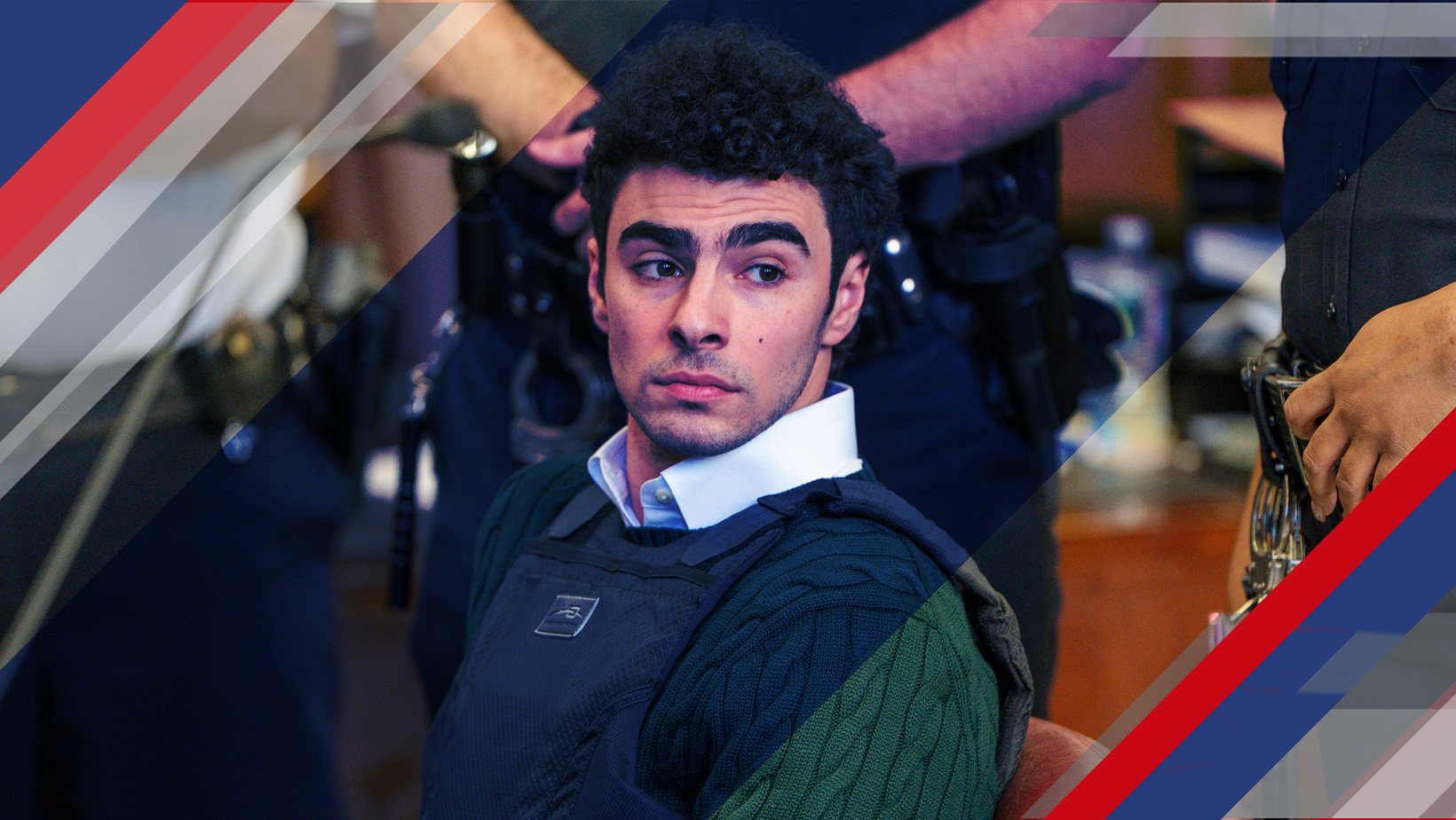
Mangione, 28, entered his plea in a Manhattan federal court, a move that could affect parallel state proceedings due to double jeopardy concerns. Both federal and state authorities accused Mangione of attacking Thompson, 50, outside a hotel as he was on his way to an investor conference. Surveillance footage showed the masked assailant shooting Thompson from behind, and Mangione was implicated through writings critical of the insurance industry found in his possession. These writings disparaged insurers, associating them with tactics meant to avoid paying claims.
The Case and Legal Ramifications
Authorities confirmed that Mangione had no personal connections to UnitedHealthcare but was motivated by a broader disdain for the insurance industry. Hailing from a privileged background in Maryland and with a degree from the University of Pennsylvania, Mangione was arrested in Altoona, Pennsylvania, after the incident. The federal charges he faces could result in life imprisonment, although a federal judge had previously dismissed charges carrying a potential death sentence. The legal complexities deepen as New York's double jeopardy laws may preclude further state prosecution following the federal guilty plea.
Evidence and Defense Considerations
The court allowed evidence collected during Mangione's arrest, including a 3D-printed firearm and a notebook outlining his alleged motive, to be used in the trial. In his defense, Mangione considered pleading psychiatric distress, a strategy not permissible in federal court but potentially viable in state proceedings, the future of which remains uncertain. This brings into focus the challenges of mounting a cohesive defense across different legal systems.
Broader Industry Implications
While largely unknown outside healthcare circles, Brian Thompson had significant influence in steering UnitedHealth Group, America’s leading insurer. The case underscores the precarious balance insurance executives must navigate between their influential roles and the public perception of the industry. As insurers grapple with reputational challenges, this incident brings to light the volatile environment executives may face. The ongoing legal saga of Mangione is a stark reminder to the industry of both external risks and the importance of addressing public grievances effectively.