
How “Liberty Biberty” Turned an Insurance Ad Flub Into a Major Brand Bet
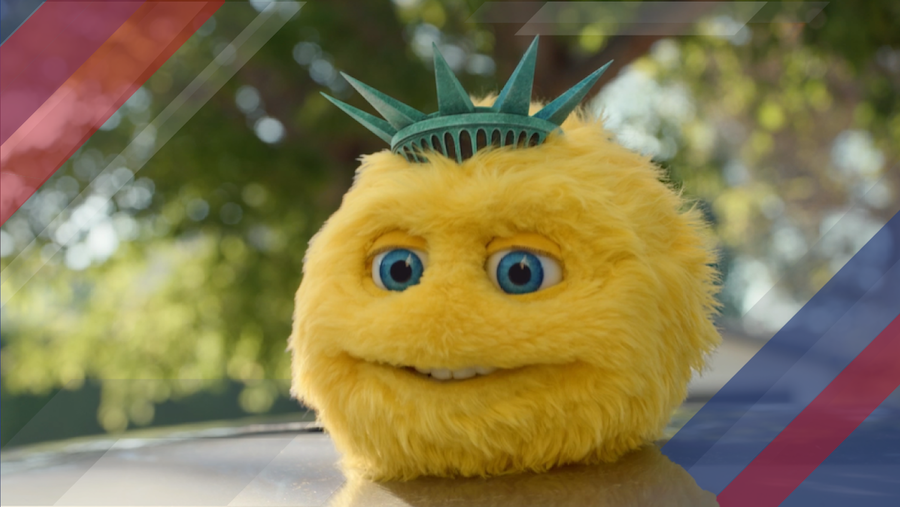
Liberty Mutual is betting that one of insurance advertising’s most memorable mistakes can become a valuable long-term brand asset.
How “Liberty Biberty” Became a Mascot
The phrase “Liberty Biberty” first appeared in a 2019 Liberty Mutual commercial featuring actor Tanner Novlan as a struggling performer who repeatedly bungled his lines. What looked like a failed take was part of the joke, but the mispronunciation proved far more durable than an ordinary advertising punchline.
Consumers remembered it, repeated it and carried it into online conversations. Liberty Mutual continued bringing Novlan’s character back, allowing the phrase to accumulate years of familiarity before the company attempted to turn it into something larger.
In July 2026, the insurer introduced Liberty Biberty as a round, fuzzy yellow puppet wearing a crown inspired by the Statue of Liberty. The character was designed with Liberty Mutual’s creative agency, Bandits & Friends, and physically crafted by Jim Henson’s Creature Shop.
Rather than replacing LiMu Emu, Doug or the struggling actor, Liberty Biberty expands the insurer’s existing collection of recognizable characters. The first advertisements feature the puppet meeting consumers near their vehicles and eventually encountering the actor whose flub inspired its name.
“Puppets have a way of bringing joy and delight to an audience. I think insurance can really use joy and delight.”
This Is More Than a Cute Advertising Experiment
The size of Liberty Mutual’s commitment makes the launch especially notable. The company expects advertising featuring Liberty Biberty to account for approximately 40% to 50% of its marketing spending, according to comments reported by The Boston Globe.
That is a substantial allocation for a new character, even one built around a familiar phrase. It suggests Liberty Mutual is not treating the puppet as a temporary social media joke. The company wants it to become a repeatable brand cue capable of working across television, streaming services, social media, creator collaborations, sports programming and live appearances.
The insurer reportedly evaluated more than 160 advertisements while developing the broader campaign. Liberty Biberty also performed well during premarket consumer research, giving the company evidence that the phrase still carried recognition seven years after its first appearance.
That research matters. Nostalgia and internet familiarity can generate initial attention, but they do not automatically produce useful advertising. Liberty Mutual had to determine whether consumers would connect the phrase with the insurer, understand the character and remain receptive after repeated exposure.
A Shortcut to Consumer Memory
Insurance companies face an unusual marketing challenge. Most consumers do not think about their insurance every day, and many hope they will never need to file a claim. The product becomes especially important during a loss, but interaction with the brand may otherwise be limited to billing notices, policy documents and annual renewals.
That makes familiarity valuable. When a consumer eventually shops for coverage, responds to a rate increase or asks an agent about alternatives, only a small number of carrier names may immediately come to mind.
Characters, jingles, phrases and recurring storylines help insurers remain mentally available between those shopping moments. The GEICO Gecko, Aflac Duck, Progressive’s Flo, Jake from State Farm and Liberty Mutual’s LiMu Emu all reflect the same competitive reality: recognition can influence which companies enter the consumer’s initial consideration set.
Liberty Biberty offers an additional advantage. Liberty Mutual is not introducing a completely unfamiliar mascot and hoping audiences eventually remember it. The company is attaching a physical character to a phrase that many people already associate with the brand.
“We have long believed that memorable characters help people connect with our brand.”
Why the Timing Matters for Independent Agencies
The campaign arrives during a major branding transition for Liberty Mutual’s independent agency business. Beginning in 2026, the company is moving its personal lines products under the Liberty Mutual name and retiring the Safeco brand.
Safeco had remained Liberty Mutual’s primary identity within the independent agent channel since Liberty Mutual acquired the company in 2008. The business grew to more than $13 billion in annual premium and distributed products through more than 22,000 independent agencies.
For agents, the transition creates both an opportunity and a communication responsibility. Existing customers may see a different carrier name on policy materials while keeping their agent relationship and underlying coverage. At the same time, national advertising could make the Liberty Mutual name more familiar to clients who previously knew their carrier only as Safeco.
A highly visible character campaign may help support that transition. When clients encounter the Liberty Mutual name through television, streaming or social media before receiving updated policy documents, the new branding may feel more recognizable and less disruptive.
Agencies should not assume advertising will answer every client question, however. Producers and service teams still need simple language explaining what is changing, what is staying the same and how the agency continues to serve as the client’s primary advisor.
Four Branding Lessons for Insurance Organizations
Most agencies and regional carriers will never dedicate a national advertising budget to a puppet. They can still apply the strategy behind Liberty Biberty to their own marketing.
- Notice what clients remember: A phrase, employee personality or recurring client question may contain more branding potential than polished corporate language.
- Build from proven familiarity: Expanding a message that already earns reactions can be less risky than repeatedly inventing entirely new campaigns.
- Make technical topics approachable: Humor can create an opening for conversations about deductibles, limits, exclusions and changing exposures.
- Connect attention to service: Memorable content should eventually lead consumers toward a quote, coverage review, renewal discussion or helpful explanation.
Authenticity Can Be More Memorable Than Perfection
Insurance communication often becomes cautious, technical and heavily polished. That discipline is necessary when explaining coverage or making regulated statements, but it can also make one organization sound much like another.
The original “Liberty Biberty” advertisement worked because the character was imperfect. He forgot the company’s name, struggled with his lines and openly acknowledged that the commercial was not going well. That awkwardness made the scene feel more human than a perfectly delivered insurance slogan.
Agencies see similar opportunities in everyday client interactions. A producer’s recognizable explanation, a service representative’s practical analogy or a humorous observation about renewal season can become part of the organization’s voice. When appropriate and compliant, those genuine moments may communicate personality more effectively than another generic post about excellent customer service.
The Risk of Being Memorable for the Wrong Reason
Character-led advertising still requires discipline. A memorable joke has limited value when consumers cannot identify the company behind it. Insurance organizations must also avoid allowing entertainment to create confusion about price, coverage or claims expectations.
Liberty Mutual’s approach attempts to reduce that risk by placing the company’s name directly inside the joke. Even when consumers say “Liberty Biberty,” they are repeating something that sounds remarkably close to Liberty Mutual.
The insurer is also keeping its established characters rather than placing the entire brand on one new idea. Different personalities and storylines can appeal to different audiences while continuing to reinforce the same company name and general value message.
Carriers and agencies considering their own humorous campaigns should apply a simple test: after the audience laughs, will people remember the organization, understand the message and know what to do next?
What Agents and Carriers Should Watch Next
The first measure of success will be whether consumers recognize Liberty Biberty as a Liberty Mutual character rather than merely remembering a fuzzy yellow puppet. The company will also be watching whether increased awareness produces more inquiries, quote activity and policy growth.
Independent agents should pay attention to whether the campaign changes client conversations as the Safeco name is retired. Greater recognition could make it easier to explain the transition, present Liberty Mutual options and reassure policyholders that the familiar agency relationship remains intact.
Carriers may view the campaign as another sign that insurance marketing is moving toward flexible characters that can appear in short videos, live events, creator content and traditional advertisements. A physical puppet gives Liberty Mutual opportunities that a computer-generated character cannot easily provide, including interviews, public appearances and spontaneous interactions with consumers.
The larger lesson is not that every insurance organization needs a mascot. It is that memorable brand assets can emerge from unexpected places. Liberty Mutual found one inside a seven-year-old joke, listened to the audience signals surrounding it and developed the idea rather than discarding it as yesterday’s commercial.
For an industry built around serious promises, a little warmth and humor can make those promises easier to approach. The most effective insurance marketing does not diminish the importance of protection. It gives people a comfortable reason to begin paying attention to it.