
E-Bike Rules Are Tightening: What the Nationwide Insurance Shift Means for Riders and Carriers
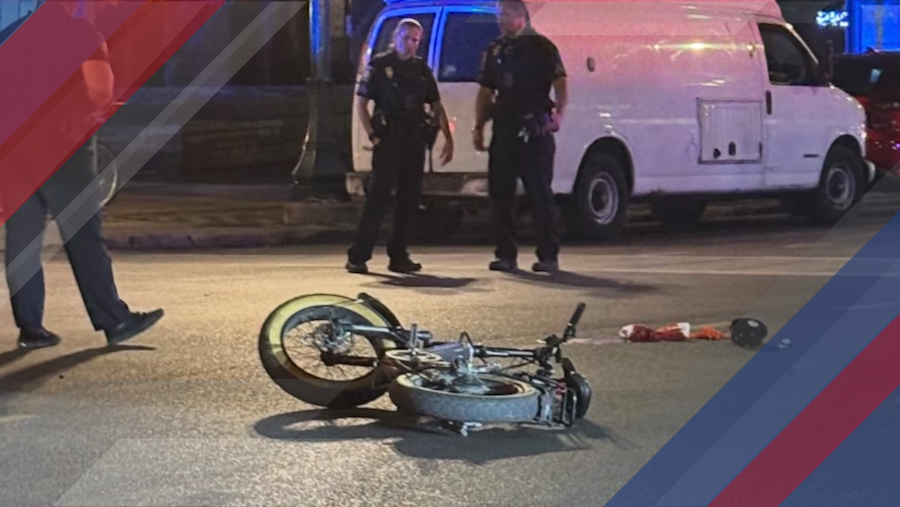
New Jersey’s new e-bike rules may be the clearest signal yet that micromobility is becoming a mainstream insurance issue.
What began as a convenient way to ride recreational trails has quickly become everyday transportation for commuters, delivery workers, students, families and older adults. E-bikes are faster, heavier and often more expensive than conventional bicycles, yet they do not always fit cleanly within homeowners, renters, auto, motorcycle or commercial insurance policies.
New Jersey has responded with one of the country’s most comprehensive e-bike regulatory frameworks. The law now requires registration and licensing for e-bike riders, while certain throttle-equipped and higher-speed models must also carry liability insurance. Although New Jersey has moved further than most states, the pressures behind its decision are appearing nationwide.
For agents, agencies and carriers, the message is straightforward: e-bikes can no longer be treated as an occasional recreational exposure. They are becoming vehicles, valuable personal property, commercial tools and potential liability risks, sometimes all at once.
New Jersey Raises the Regulatory Stakes
New Jersey’s law, enacted in January 2026, divides electric bicycles into two broad regulatory categories. A low-speed electric bicycle uses pedal assistance that stops at 20 miles per hour. Throttle-capable bikes and certain faster models are treated as motorized bicycles.
Riders must generally be at least 15 years old and possess either a valid driver’s license or an e-bike or motorized bicycle license. People without a driver’s license can apply for an e-bike permit, complete knowledge and vision testing, practice under the permit and pass a road test.
All covered e-bikes must be registered with the New Jersey Motor Vehicle Commission. Insurance is required for bikes classified as motorized bicycles, but not for qualifying low-speed, pedal-assist bicycles. Helmets are required for riders in both categories.
The six-month compliance period ended on July 19, 2026, placing the requirements fully into effect. Initial registration and licensing fees have been temporarily waived during the first year of implementation, but riders are still responsible for satisfying the underlying requirements.
The rules can also affect visitors. New Jersey guidance directs out-of-state riders bringing their own e-bikes into the state to register them, while motorized models must be insured. That creates a practical cross-border issue for riders, rental businesses, travel planners and insurance professionals serving clients who use e-bikes in multiple states.
“We strongly encourage e-bike riders to utilize the guidance on the NJMVC’s website to familiarize themselves with new requirements for safe and legal e-bike operation.”
Why This Is a Nationwide Insurance Story
Federal law provides a product-safety definition for low-speed electric bicycles, generally focusing on pedal capability, motor power and assisted speed. The rules governing where an e-bike can operate, whether it must be registered, how old a rider must be and whether insurance is required are largely established by states and municipalities.
Most states have adopted some variation of the three-class system. Class 1 bikes provide pedal assistance up to 20 miles per hour. Class 2 bikes can use a throttle up to 20 miles per hour. Class 3 bikes generally provide pedal assistance up to 28 miles per hour.
That framework has helped distinguish ordinary e-bikes from mopeds and motorcycles, but it has not produced national uniformity. Age limits, helmet requirements, trail access, sidewalk restrictions and equipment rules can change when a rider crosses a state or even city boundary.
Different States Are Choosing Different Approaches
Hawaii already requires e-bike registration and updated its statewide classification, age, helmet, operating and seller-disclosure rules in July 2026. California has been sharpening the distinction between legal e-bikes and higher-powered electric motorcycles, including registration requirements for certain off-highway e-motos and stronger enforcement of classification and safety rules.
Illinois lawmakers sent a broad micromobility framework to the governor in June 2026. The proposal would preserve bicycle treatment for lower-speed devices while requiring titles, registration, licensing and insurance for higher-powered electric vehicles that function more like motor-driven cycles.
Other states are considering narrower measures involving rider age, helmets, battery certification, product labeling, speed limits and where particular e-bike classes may operate. Local governments are also acting, particularly in areas experiencing delivery-vehicle congestion, sidewalk conflicts or lithium-ion battery fires.
The E-Bike and E-Moto Line Is Becoming Critical
One of the industry’s largest challenges is that products marketed as e-bikes do not always qualify as legal e-bikes. Some models can reach motorcycle-like speeds, exceed accepted motor-power limits or operate without meaningful pedal input.
Even a compliant bike can be altered after purchase. Riders may unlock speed restrictions, replace controllers, install more powerful motors or use aftermarket batteries. These changes can alter the vehicle’s legal classification and materially change its severity profile.
For insurers, relying solely on the word “e-bike” is no longer enough. Underwriting and claims teams need the actual assisted speed, throttle capability, motor wattage, factory classification and modification history.
The Loss Data Is Moving Faster Than Many Policy Forms
The regulatory activity is not occurring in a vacuum. The U.S. Consumer Product Safety Commission estimated approximately 155,200 emergency department-treated e-bike injuries from 2017 through 2024. An estimated 59,200 occurred in 2024 alone, reflecting a sharp increase as e-bike ownership and use expanded.
The agency also identified 310 reported e-bike fatalities during that eight-year period. Among reviewed fatalities, collisions with moving or parked vehicles were the most common circumstance. Loss of control, battery fires and pedestrian-related incidents also appeared in the data.
A detailed review of 2024 incidents found that many injuries occurred on paved roads. Motor vehicles were involved in roughly one-quarter of the cases examined, while helmet use was documented in fewer than half. Some riders were traveling at least 20 miles per hour or carrying objects when injured.
Those numbers should be interpreted carefully because reporting and product classification are still developing. Police reports, hospital records and claims systems may describe similar devices as bicycles, electric bicycles, scooters, mopeds or motorcycles. Even with those limitations, the direction of the trend is difficult to ignore.
“Common sense choices before, during, and after each ride can significantly reduce the risk of injury and fire.”
Coverage May Exist, but It Is Not Automatic
A conventional bicycle is usually treated as personal property under a homeowners or renters policy. An electric bicycle can be more complicated because policy language may exclude or restrict coverage for motorized vehicles, especially when the vehicle is used away from the residence.
Some homeowners and renters forms may cover theft, fire or other listed causes of loss, subject to deductibles, sublimits and exclusions. That does not necessarily mean the policy will cover collision damage, road liability, injuries to the rider or damage caused while the bike is used for paid delivery work.
Personal auto insurance typically does not extend automatically to an e-bike simply because the bike is being used as transportation. Motorcycle and moped policies may also be inappropriate if the vehicle does not meet the carrier’s definitions.
Specialty E-Bike Policies Are Filling the Gap
Standalone e-bike products can combine bodily injury and property damage liability with theft, comprehensive coverage, collision, medical payments, uninsured motorist protection, roadside assistance, accessories and carried contents. Availability and policy structure vary by state and carrier.
Progressive, for example, advertises e-bike liability coverage starting as low as $75 per year. That figure is a starting price, not a universal rate or a guarantee that a particular policy satisfies New Jersey’s requirements. Premiums depend on the bike, rider, location, limits, use and selected coverage.
Agents assisting New Jersey clients should verify that a policy is written for the correct vehicle category and meets the state’s liability requirements. A generic bicycle endorsement providing theft coverage may not satisfy a statutory insurance obligation.
Property Coverage Is Not Liability Coverage
A client may believe an e-bike is insured because a homeowners endorsement covers its replacement value. That endorsement may provide no protection when the rider strikes a pedestrian, damages a parked vehicle or causes a multi-party accident.
The same issue can affect umbrella coverage. If the underlying homeowners policy excludes liability arising from the e-bike, the umbrella may not respond as the client expects. Agencies should confirm both the primary coverage and the umbrella’s treatment of the exposure.
Transportation Use Changes the Risk
An e-bike used occasionally on a recreational trail presents a different exposure from one ridden through traffic every weekday. Delivery work, passenger transport, high annual mileage and nighttime operation can increase both frequency and severity.
Commercial use can also trigger exclusions under personal policies. Restaurant employees, independent couriers, real estate professionals, campus workers and other clients may use personally owned e-bikes for business without realizing that their personal coverage could be limited.
Five Questions Every Agency Should Ask
- Classification: What are the bike’s class, throttle capability, wattage and maximum assisted speed?
- Modifications: Has the bike been unlocked or fitted with aftermarket electrical components?
- Rider profile: Who rides it, how old are they and how experienced are they?
- Usage: Is it used for recreation, commuting, delivery work, rentals or business errands?
- Coverage expectation: Which policy should respond to theft, crashes, liability and rider injuries?
Documenting these answers can help prevent a vague “bicycle covered” notation from becoming an expensive misunderstanding after a loss. Agencies should also record where the bike is stored and charged, whether the battery and charger are certified, and whether the rider regularly crosses state lines.
What Carriers Should Be Building Now
The expanding e-bike market creates an opportunity for carriers to develop clearer definitions, flexible endorsements and standalone products before regulatory mandates become more common.
Customers need an understandable answer to a basic question: “What happens if my e-bike is stolen, damaged or involved in an accident?” The current answer too often requires comparing several policies, exclusions and vehicle definitions.
Classification Should Drive Underwriting
Rating and eligibility should reflect assisted speed, throttle capability, motor output, vehicle weight, operator age, annual mileage and intended use. A 20-mile-per-hour pedal-assist commuter bike should not automatically be evaluated like a modified throttle vehicle capable of much higher speeds.
Claims coding should make the same distinctions. Better data will help carriers identify how losses differ among compliant e-bikes, altered bikes, e-motos, rental fleets and delivery vehicles.
Battery Risk Belongs in Property Conversations
Lithium-ion batteries introduce an exposure that extends beyond the roadway. Improper charging, damaged battery packs, incompatible chargers and unapproved replacement components can produce fires involving homes, apartments, garages and commercial properties.
Carriers may increasingly consider battery certification, storage location, charging practices and aftermarket components when underwriting both the bike and the property where it is kept. Risk-control guidance should emphasize manufacturer-approved batteries and chargers, safe charging areas and avoiding unattended overnight charging.
Commercial Use Needs Its Own Lane
Businesses operating rental fleets or allowing employees to use e-bikes need more than a personal-lines solution. Relevant exposures can include premises liability, fleet damage, rider injuries, third-party liability, battery charging, maintenance practices and contractual responsibility.
Employers should also examine employee-owned e-bikes used for business. A commercial auto policy may not recognize the vehicle, while a personal policy may exclude business use. That gap can leave the employer, worker and injured third party debating which policy should respond.
What the Market Should Expect Next
A nationwide requirement to register and insure every e-bike does not appear imminent. State approaches remain too different, and many policymakers are reluctant to burden low-speed bicycles that provide affordable transportation and environmental benefits.
The more likely path is targeted regulation. States may focus on higher-powered vehicles, throttle-equipped models, younger riders, battery standards, retailer disclosures and products that are marketed as e-bikes but perform like motorcycles.
More jurisdictions may also require proof of liability coverage for faster devices, particularly where serious injuries, pedestrian conflicts or roadway crashes are increasing. Rental and delivery fleets could face separate registration, reporting and insurance standards.
This evolving patchwork will place additional responsibility on agents and carriers. A client who was properly insured in one state may encounter different definitions or requirements after moving, commuting across a border or taking an e-bike on vacation.
The Opportunity for Insurance Professionals
New Jersey’s law is important not because every state will copy it word for word, but because it recognizes what the market is already showing. E-bikes are becoming a significant transportation and liability exposure that deserves clear rules and purpose-built coverage.
Agencies can use renewal conversations to identify e-bike ownership, explain where existing policies may stop and help clients avoid assuming that “it is just a bicycle.” Carriers can build products that distinguish ordinary pedal-assist bikes from faster, heavier and commercially used vehicles.
The organizations that act early will be better prepared as ownership grows, claims data improves and state requirements continue to change. The goal is not to make e-bike ownership unnecessarily complicated. It is to make sure riders, families, businesses and injured third parties understand who is protected before an accident occurs.