
Aon Expands Data Center Lifecycle Insurance Program to $5 Billion
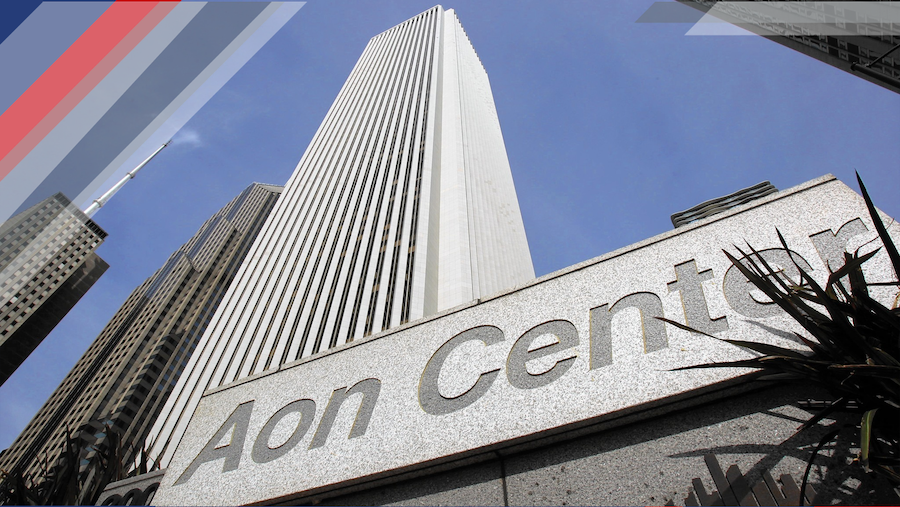
Aon Raises Data Center Insurance Capacity to $5 Billion as Digital Infrastructure Risk Accelerates
Aon’s expanded Data Center Lifecycle Insurance Program brings up to $5 billion in insurance capacity to one of the fastest-growing, most capital-intensive and increasingly complex areas of commercial infrastructure.
The program is designed to support data center projects from construction through long-term operation, combining property, casualty, cyber, cargo and business interruption coverage with engineering analysis and risk advisory services. For insurance professionals, the expansion is significant not simply because of the headline capacity, but because it reflects how quickly data center risk is changing.
Cloud computing, artificial intelligence, streaming services, digital commerce and connected business systems are creating demand for larger facilities with greater power density. At the same time, developers are navigating constrained electrical grids, equipment shortages, complicated construction schedules and heightened expectations for uninterrupted service.
Aon’s approach attempts to address those exposures as a connected lifecycle rather than a series of separate insurance placements.
A Larger Program for Larger Projects
The expanded Data Center Lifecycle Insurance Program, commonly referred to as DCLP, provides up to $5 billion in capacity for Construction All Risks, Delay in Start-Up, Property Damage and Business Interruption coverage.
The program is supported by a panel of A-rated insurers from Lloyd’s and traditional company markets. It builds on an earlier expansion that increased available capacity to $3.5 billion and added support for data centers that had already moved into operation.
The increase matters because the value concentrated within a single data center campus can be extraordinary. The physical building is only one component. Electrical substations, cooling systems, backup generators, batteries, servers, networking equipment and specialized machinery can create property values and replacement costs that extend far beyond those associated with a conventional commercial building.
A major loss may also affect more than the site itself. Delayed construction can interrupt customer contracts, financing arrangements, leasing commitments and anticipated revenue. Once the facility is operating, even a brief outage can create substantial business interruption losses for the operator and its customers.
“Digital infrastructure is a critical and capital-intensive asset within the global economy.”
Joe Peiser, CEO of Risk Capital, Aon
Coverage Extends Beyond Property Damage
A notable feature of the expanded program is its attempt to connect the physical, operational and technological risks surrounding a data center project.
The available limits are not a single blanket of coverage for every project. Actual terms, limits and participation remain subject to underwriting, project characteristics and policy wording. However, the program provides a framework through which several important insurance lines can be coordinated.
- Construction and delay: Protection for physical damage and postponed project completion.
- Operational property: Coverage for buildings, equipment and resulting business interruption losses.
- Third-party liability: Up to $200 million outside the United States and $100 million domestically.
- Cyber and technology: Up to $400 million for cyber and technology errors and omissions exposures.
- Project cargo: Up to $500 million for equipment moving through global supply chains.
- Terrorism: Access to as much as $1 billion through Aon’s existing facilities.
This broader structure recognizes that data center losses rarely stay within one traditional coverage category. A damaged transformer may trigger property damage, construction delay, revenue loss and contractual disputes. A cooling failure may cause equipment damage while also interrupting services. A cyber incident may create both technology liability and prolonged operational disruption.
Coordinating policies, limits, waiting periods and loss definitions can therefore be just as important as purchasing sufficient headline capacity.
Why Early Engineering Involvement Matters
Aon is positioning its Reliable by Design approach as a central component of the program. The concept brings engineering expertise, risk intelligence and insurance planning into the project before construction decisions become difficult or expensive to change.
That timing can be critical. Developers may make decisions about site selection, electrical design, water access, fire protection, equipment suppliers and physical security years before the facility begins operating. Those decisions can influence not only the probability of a loss, but also whether insurers are willing to provide the desired capacity and terms.
Power Is Becoming a Core Underwriting Issue
Data centers require a continuous and dependable supply of electricity. Federal research has estimated that data centers accounted for approximately 4.4 percent of total United States electricity consumption in 2023. Depending on the pace of development, that share could rise to between 6.7 percent and 12 percent by 2028.
This growth places additional pressure on electrical grids, transformers, substations and generation capacity. For underwriters, the questions extend beyond whether a site has power today. They include whether the surrounding grid can support future expansion, how the facility will respond to an extended outage and whether backup systems have sufficient redundancy, fuel access and maintenance support.
Cooling Systems Carry Their Own Concentration Risk
High-density computing equipment produces enormous amounts of heat. As facilities deploy more powerful processors, cooling systems become increasingly important to both property protection and operational continuity.
The failure of a pump, control system, cooling loop or electrical component can quickly threaten expensive equipment. Water availability, leak detection, equipment separation and contingency planning may all affect how an insurer evaluates the risk.
Replacement Equipment May Take Months or Years
Large transformers, generators, switchgear and specialized cooling components are not always available on short notice. Manufacturing constraints and strong global demand can produce lengthy lead times.
That creates an important business interruption issue. The physical damage from an event may be repairable, but the inability to obtain a critical component can extend the recovery period dramatically. Underwriters and brokers should examine spare equipment strategies, supplier agreements, alternative sourcing arrangements and policy periods of indemnity before a loss occurs.
The Construction-to-Operations Transition Deserves Attention
One of the most difficult stages in a large infrastructure project occurs when construction coverage ends and operational coverage begins. Testing may still be underway, contractors may remain on-site and portions of the facility may begin operating at different times.
Those overlapping responsibilities can create uncertainty over which policy should respond to a loss. They may also expose gaps involving testing, commissioning, temporary equipment, phased handovers and partially completed sections of the facility.
A lifecycle program can help organize that transition, but agents and brokers still need to review the details carefully. Policy inception dates, definitions of completion, testing provisions and communication between construction and operational insurers should be addressed well before the scheduled handover.
The most valuable insurance conversation may happen before the project is built, when design decisions can still reduce risk.
Risk management takeaway
What Agents and Agencies Can Take From the Expansion
Most independent agencies will not place a multibillion-dollar hyperscale data center on their own. However, data center development creates a much broader network of opportunities and exposures.
Local contractors, electrical firms, mechanical specialists, security providers, transportation companies, equipment suppliers, property owners and professional service firms may all become involved in these projects. Their contracts may contain demanding insurance requirements, indemnification provisions and performance obligations.
Agencies serving those businesses should ask whether a client has started working on data center projects, even when the client does not consider itself part of the technology industry. An electrical contractor may face testing and commissioning exposures. A transportation company may be moving equipment worth millions of dollars. An engineering firm may assume responsibility for systems that must remain operational around the clock.
The practical opportunity is to review contracts before work begins, confirm that limits and policy forms match the client’s obligations and identify exposures that may not fit comfortably within standard property or general liability programs.
What Carriers and Underwriters Will Be Watching
For carriers, the growth of data center infrastructure presents attractive premium opportunities alongside significant aggregation concerns.
A single geographic region may contain numerous interconnected facilities that depend on the same utility, telecommunications route, water source or equipment supplier. A regional power event, natural catastrophe or technology failure could therefore affect multiple insureds at the same time.
Cyber aggregation is another consideration. Data centers host systems belonging to many organizations, and a disruption involving a shared provider may generate losses across multiple policies and insurance lines. Carriers must understand where property, cyber, technology errors and omissions, contingent business interruption and supply chain exposures may overlap.
The emphasis on engineering and early risk intelligence may help insurers differentiate projects that merely purchase redundancy from those that have tested whether their redundant systems can function independently during a real event.
Insurance Is Becoming Part of the Project Strategy
The expansion of Aon’s program illustrates a broader change in the role insurance can play in major infrastructure development. Coverage is increasingly being considered alongside financing, engineering, construction scheduling and operational planning rather than purchased after those decisions have already been made.
For developers and investors, adequate insurance capacity can support financing requirements and provide greater confidence that a major loss will not permanently derail a project. For insurers, earlier access to design information can improve risk selection and create opportunities to recommend practical loss-prevention measures.
For brokers and agencies, the value is in helping clients understand that capacity alone does not resolve every exposure. Policy coordination, accurate values, realistic recovery periods, strong contractual language and documented resilience plans remain essential.
As data centers become larger, more powerful and more deeply connected to the economy, their insurance programs will need to reflect the full lifecycle of the risk. Aon’s move to $5 billion in capacity is an important market response, but the larger message is that digital infrastructure can no longer be approached as ordinary commercial property with additional servers inside.