
Family Legacy: How One Policy Can Keep a Family Business, Farm, or Multi-Generational Dream Alive
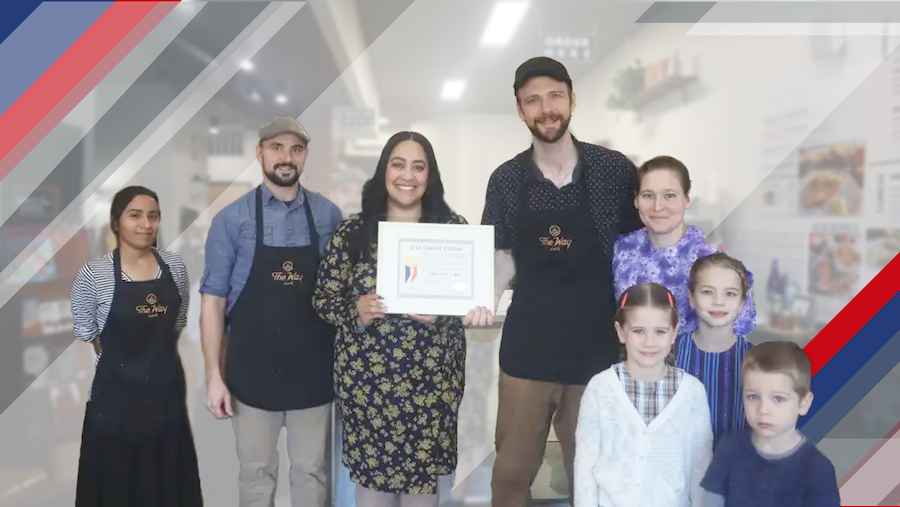
For many families, life insurance is not about replacing income. It is the financial bridge that keeps a family farm, small business, or lifelong legacy from being sold when the unexpected happens.
When insurance professionals talk about life insurance, the conversation often centers on protecting loved ones, paying off debt, or replacing a paycheck. Those are essential benefits, but another powerful outcome receives far less attention. Across the United States, life insurance has quietly helped families preserve businesses, farms, vacation properties, and other multigenerational assets that might otherwise have been lost after the death of an owner.
For independent agents, agencies, and carriers, these stories offer something more than inspiration. They provide meaningful opportunities to discuss succession planning, estate liquidity, and long-term financial security with clients who may never have considered the role life insurance can play in protecting everything they have spent decades building.
When a Legacy Becomes a Financial Challenge
Many family-owned businesses and farms are asset rich but cash poor. Their value may be tied up in land, equipment, buildings, inventory, or business operations rather than available cash. When an owner passes away, surviving family members often face immediate expenses that include estate administration costs, taxes where applicable, outstanding debts, operating expenses, payroll obligations, and ongoing household needs.
Without adequate liquidity, families sometimes have no choice but to sell part or all of the assets that defined generations of hard work. A life insurance benefit can provide immediate cash that allows survivors to make thoughtful decisions instead of rushed ones.
"Life insurance creates choices during one of life's most difficult moments."
Life Happens
More Than a Death Benefit
Organizations that promote financial literacy regularly share stories of families who were able to keep farms, maintain ownership of family businesses, preserve investment properties, or continue operating companies because life insurance provided immediate financial stability. Rather than selling valuable assets below market value, beneficiaries were able to continue operating while making long-term decisions on their own timetable.
For many business owners, this distinction is critical. Customers, employees, suppliers, and lenders all expect business to continue even after the loss of an owner. Access to immediate capital can help keep operations running while leadership transitions take place.
Conversations Every Agent Should Be Having
Many clients think estate planning only applies to wealthy families. In reality, anyone who owns a business, family property, agricultural operation, or appreciating real estate may benefit from discussing how those assets would be preserved if something unexpected occurred.
These conversations become especially valuable with:
- Owners of family businesses preparing for the next generation.
- Farm owners whose land represents decades of family history.
- Clients with commercial real estate or rental properties.
- Business partners who depend on one another to keep operations running.
- Families hoping to preserve vacation homes or inherited property.
Estate Liquidity Can Change Everything
One of the greatest strengths of life insurance is liquidity. While other assets may require months to sell or transfer, insurance proceeds are generally designed to provide beneficiaries with timely financial resources after a valid claim is processed.
That liquidity can be used to:
| Need | Potential Benefit |
|---|---|
| Business operations | Maintain payroll and daily operations during ownership transition. |
| Family property | Avoid forced sale while long-term plans are developed. |
| Estate expenses | Provide immediate funds for obligations without liquidating assets. |
Succession Planning Is More Than Legal Documents
Business succession often focuses on legal agreements, ownership transfers, and management responsibilities. Those components are essential, but they are only part of the picture. Financial preparedness is equally important.
Life insurance is frequently incorporated into succession planning because it can provide the cash necessary to fund buy-sell agreements, equalize inheritances among family members, or support surviving owners while leadership transitions occur.
"The best succession plans prepare both for who will lead next and how that transition will be funded."
Industry estate planning principle
Helping Clients Think Beyond Today's Needs
Many insurance discussions naturally begin with immediate concerns such as replacing income, paying off a mortgage, or protecting young children. As clients accumulate wealth, those conversations should evolve. A successful business owner in their fifties has very different planning needs than they did twenty years earlier.
Agents who revisit life insurance as clients' financial lives change often uncover new planning opportunities. Family businesses grow. Property values appreciate. Retirement plans shift. Children become business partners. Every milestone creates an opportunity to revisit whether existing coverage still aligns with the client's long-term objectives.
A Different Way to Tell the Life Insurance Story
Stories resonate because they make planning personal. A conversation about preserving a family farm, protecting a business employees depend on, or ensuring grandchildren inherit a cherished property often creates stronger engagement than discussing policy features alone.
For agencies, these stories reinforce the advisory role that independent agents play. Rather than simply recommending coverage amounts, they help clients think through how their life's work will continue serving future generations.
As more families build businesses, acquire investment properties, and accumulate multigenerational wealth, preserving those legacies will become an increasingly important part of financial planning. Life insurance remains one of the most effective tools available for turning years of hard work into a lasting legacy instead of a difficult financial decision.