
Impact of Severe Weather on Home Health Services: Lessons from Hurricane Sandy
Severe weather is becoming more than a property risk for health insurers and care networks. It is increasingly a care continuity, compliance, prior authorization, and operational resilience issue.
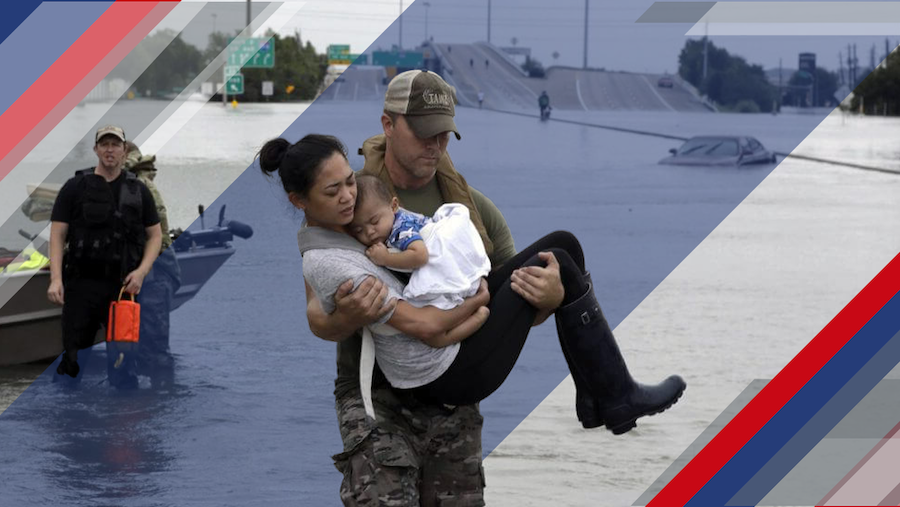
New research published in JAMA Health Forum adds another layer to the disaster preparedness conversation by showing how hurricanes and flooding can disrupt home health care long after the storm has passed. The study examined Medicare beneficiaries in areas affected by Hurricane Sandy and found that patients in flooded ZIP codes experienced nearly 13 additional days of delayed home health treatment compared with similar patients in non-flooded areas.
For insurance agents, agencies, carriers, Medicare Advantage organizations, and health plans, the finding matters because home health is not delivered inside one protected facility. It depends on roads, caregivers, communications, supply chains, electronic documentation, authorization workflows, and patient access. When one of those pieces breaks, the impact can quickly move from inconvenience to care disruption.
Why Home Health Is Especially Exposed
Home health care is built around a decentralized model. Nurses, therapists, aides, patients, family caregivers, pharmacies, durable medical equipment suppliers, transportation providers, and payers all have to stay connected. During a hurricane or flood, that network becomes fragile.
Road closures can keep clinicians from reaching patients. Power outages can interrupt oxygen equipment, refrigeration for medications, internet access, and electronic health records. Phone outages can make it difficult to confirm visits or escalate concerns. Supply delays can affect wound care, mobility equipment, medication access, and discharge planning.
The JAMA Health Forum study is important because it moves the issue beyond anecdote. It ties flood exposure to measurable changes in care delivery, including longer treatment delays, extended care episodes, and reduced success returning patients to the community.
“Extreme weather events may prevent home health care agency nurses and other professionals from traveling to patients’ homes, interrupt communication systems, and halt delivery of supplies.”JAMA Health Forum study authors
The Insurance Industry Angle
For carriers and health plans, delayed home health care is not just a service issue. It can affect claims costs, readmission risk, Star Ratings, member satisfaction, network performance, and regulatory scrutiny. When home-based care fails, the alternative is often more expensive care in hospitals, skilled nursing facilities, emergency departments, or longer post-acute episodes.
For agencies and brokers, this creates a practical client conversation. Employers, seniors, caregivers, and Medicare beneficiaries may not think about how a storm could affect authorization, discharge support, medication delivery, or home visits until they are already in the middle of a disruption.
That creates an advisory opportunity. Coverage conversations around health plans, Medicare Advantage, long-term care, disability, supplemental health, and property exposures should increasingly include care continuity questions, especially in hurricane, wildfire, flood, and severe storm regions.
Where Prior Authorization Adds Pressure
The timing of the research also intersects with a broader industry concern: prior authorization automation. Health plans and government programs are under pressure to reduce waste, fraud, and unnecessary services, while providers and patients continue to raise concerns about delays, denials, documentation burden, and limited human review.
During normal operating conditions, prior authorization can already slow care transitions. During a hurricane, those delays can become more consequential. A patient who needs home therapy, skilled nursing, oxygen support, wound care, or durable medical equipment may be affected by both physical disruption and administrative delay at the same time.
AI-assisted authorization tools may help process routine cases faster, but they also create new operational questions. Can the system recognize emergency conditions? Can it adjust documentation expectations during declared disasters? Is there a human escalation path when the patient cannot wait? Are disaster exceptions clearly communicated to providers and members?
What the Study Suggests
The study focused on Medicare Part A and Part B beneficiaries in flood-affected areas of New York City, Connecticut, and New Jersey after Hurricane Sandy. By comparing patients in flooded ZIP codes with those in non-flooded ZIP codes, researchers were able to evaluate how storm exposure affected home health outcomes.
The key finding was not simply that care was disrupted. It was that disruption persisted in measurable ways. Patients in flooded areas had longer delays before receiving services, longer treatment durations, and lower rates of successful community discharge.
| Risk | Industry Impact |
|---|---|
| Staff access: clinicians cannot safely reach patients | Care delay: treatment starts later and lasts longer |
| System outage: phones, records, and portals go down | Claims friction: authorization and documentation slow down |
| Supply disruption: equipment and medication access becomes uncertain | Cost pressure: avoidable hospital or facility care increases |
Compliance Is Part of the Risk
Home health agencies that participate in Medicare must maintain emergency preparedness programs. Those plans are expected to account for risks, communication, staff responsibilities, patient needs, coordination with local emergency systems, and continuity of operations.
That matters for payers because compliance does not sit only with the provider. Health plans and carriers rely on the provider network to deliver care, document services, support transitions, and protect vulnerable members. If network partners are not prepared, the payer may still inherit the downstream cost, complaint volume, member dissatisfaction, and regulatory questions.
The practical lesson is that disaster preparedness should not be treated as a facilities issue. For home health, preparedness is a network issue.
What Agencies and Carriers Should Be Asking
The research gives insurance professionals a timely reason to revisit how severe weather affects health care delivery, especially for older adults and medically fragile members who depend on home-based services.
- Network readiness: Which home health partners have tested emergency staffing, routing, and backup communication plans?
- Authorization flexibility: What happens to prior authorization rules during declared emergencies?
- Member outreach: Which high-risk members need proactive contact before and after a storm?
- Documentation rules: Are providers given clear guidance when normal systems are unavailable?
- Claims escalation: Is there a fast path for urgent home health, equipment, and medication access?
Why This Matters for Medicare Advantage
Medicare Advantage plans are especially exposed because they operate at the intersection of member experience, care coordination, utilization management, provider networks, and quality performance. A storm-related breakdown in home health can affect more than a single claim.
Delayed care can increase the chance of hospital readmissions, emergency department visits, failed discharges, medication problems, and caregiver complaints. Those outcomes can feed into quality metrics, grievance trends, retention pressure, and plan reputation.
The operational question is no longer whether a plan has a disaster policy. The better question is whether that policy can actually function when local roads are flooded, staff are displaced, internet access is unreliable, and providers are waiting for authorization decisions.
“Sound, timely planning provides the foundation for effective emergency management.”Centers for Medicare & Medicaid Services
A Practical Conversation for Agents
Agents do not need to become disaster response experts to make this useful. They do need to understand that severe weather can change the value of a health plan, especially for clients who rely on in-home care, post-acute recovery support, chronic condition management, or caregiver coordination.
For Medicare clients, that may mean asking how a plan handles home health access during emergencies. For employer groups, it may mean discussing business continuity, employee caregiver stress, and health plan navigation during regional disasters. For supplemental and long-term care conversations, it may mean helping clients think about what happens when the formal care system is temporarily strained.
The best agencies will turn this into a planning conversation rather than a scare tactic. Severe weather is not new. What is changing is how deeply it can affect health care delivery, claims operations, and member experience.
What to Watch Next
Expect more scrutiny around disaster readiness in home-based care. As more services move out of hospitals and into homes, payers will need better visibility into local provider resilience, patient risk stratification, emergency communication, and authorization flexibility.
The industry should also watch how AI-assisted utilization management evolves. Automation may improve speed in stable environments, but severe weather is not a stable environment. Carriers and health plans will need safeguards that recognize when ordinary workflows should give way to emergency exceptions, human review, and faster escalation.
For insurance professionals, the message is clear. Climate risk is no longer limited to roofs, cars, flood maps, and replacement costs. It is now part of health care access, care continuity, regulatory performance, and member trust.