
July 4th Fireworks Can Spark More Than Celebrations. They Can Spark Claims.
Fireworks are a familiar Fourth of July tradition, but for insurers, they are also a seasonal reminder of how quickly celebration can turn into property loss, injury claims, and liability questions.
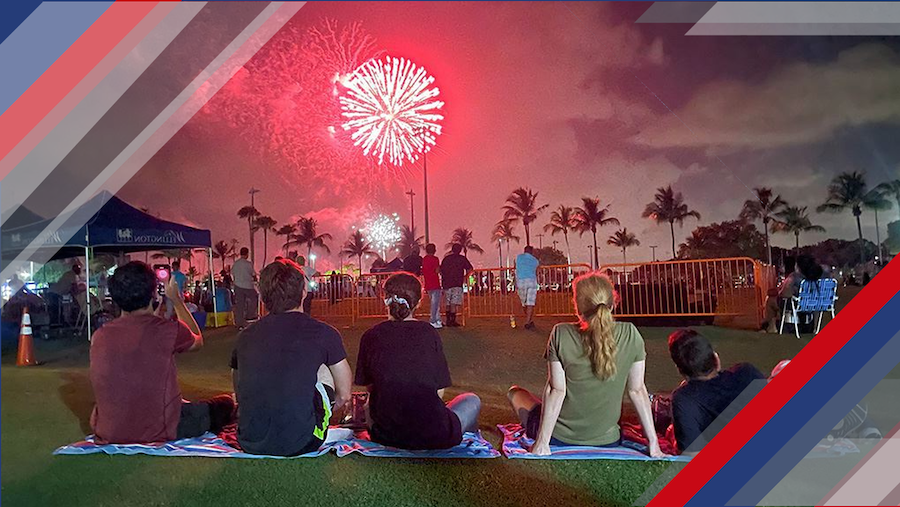
Every summer, homeowners, renters, business owners, municipalities, and carriers face the same reality: fireworks may last only a few seconds in the sky, but the claims can last much longer. A backyard firework that tips over, lands on a roof, burns a guest, damages a vehicle, or spreads into dry grass can quickly move from holiday fun to a coverage conversation.
That is why the annual fireworks warning is not just a safety message. For insurance professionals, it is a practical reminder to help clients understand property coverage, personal liability, exclusions, local laws, and risk prevention before something goes wrong.
The Numbers Behind the Risk
The scale of the problem is larger than many consumers realize. In 2024, fireworks were linked to 11 reported deaths and an estimated 14,700 injuries treated in hospital emergency rooms. That included a notable number of injuries involving sparklers, which many families still think of as relatively harmless.
Fire losses are another major concern. In 2023, fireworks were responsible for more than 32,000 fires, including thousands of structure fires and more than $140 million in direct property damage. For carriers, that means fireworks remain a predictable seasonal exposure. For agencies, it means the days leading up to July Fourth are a timely opportunity for client education.
“Even well-planned fireworks displays can end in injury or property damage.”
Megan Cooper, AAA spokesperson
Where Coverage Questions Usually Begin
A typical homeowners policy may provide coverage if fireworks cause accidental fire damage to the insured home, garage, fence, or personal property. But that does not mean every fireworks-related loss is simple. The facts matter.
Was the firework legal in that jurisdiction? Was it being used according to local rules? Was the person handling it intoxicated? Was the damage intentional, reckless, or caused by illegal activity? Did the incident involve a guest, a neighbor’s property, a vehicle, or a business exposure?
Those details can affect how a claim is investigated and whether coverage applies. This is where agents can bring real value by helping clients understand that “I have homeowners insurance” is not the same as “everything involving fireworks is automatically covered.”
The Liability Angle Clients Often Miss
Fireworks losses are not limited to burned lawns and damaged siding. Some of the most serious claims involve bodily injury. If a guest is injured at a backyard gathering, the homeowner may face medical payments exposure, personal liability questions, or even a lawsuit depending on the facts.
Neighbors can also become part of the claim. A firework that lands on another property, damages a roof, burns patio furniture, starts a brush fire, or injures someone outside the insured’s yard can create a dispute that feels very different from a routine property claim.
For umbrella carriers, this is one more example of why personal liability limits matter. A serious burn injury, eye injury, or structure fire can quickly exceed the comfort zone of a standard homeowners limit.
A Practical Coverage Review Opportunity
For agencies, fireworks create a natural reason to reach out without sounding alarmist. The message does not need to be complicated. Clients should know what their policy may cover, where the gray areas are, and what simple steps can reduce the chance of a claim.
| Exposure | Client Issue | Agency Cue |
|---|---|---|
| Property: Fire damages home, deck, fence, or contents | Question: Was the firework legal and properly handled? | Review: Explain limits, deductibles, and exclusions clearly |
| Liability: Guest, neighbor, or child suffers injury | Question: Could negligence or reckless use be alleged? | Review: Discuss liability limits and umbrella coverage |
| Auto: Vehicle is damaged by falling fireworks or fire | Question: Does comprehensive coverage apply to the vehicle? | Review: Confirm physical damage coverage before loss |
Risk Prevention Still Matters
Coverage matters after a loss. Prevention matters before it. Insurance professionals can remind clients that the safest option is attending a professional public display, especially in areas with dry conditions, dense neighborhoods, or strict fireworks laws.
For clients who still plan to use consumer fireworks where legal, the most useful guidance is straightforward and practical:
- Keep fireworks far from homes, vehicles, decks, trees, and dry grass.
- Never allow children to handle fireworks, including sparklers.
- Keep water nearby before lighting anything.
- Soak used fireworks before placing them in the trash.
- Avoid fireworks entirely when alcohol or drugs are involved.
- Check local laws before buying or using consumer fireworks.
“Use common sense, and treat fireworks with the respect they deserve.”
Peter A. Feldman, U.S. Consumer Product Safety Commission
Why Carriers Are Paying Attention
For carriers, fireworks losses are part of a broader seasonal risk pattern. The exposure concentrates around a short holiday window, but the claim types can vary widely. Fire, smoke damage, bodily injury, vehicle damage, and liability disputes may all come from the same underlying behavior.
This creates a communication challenge. Carriers need policyholders to understand that illegal or reckless use can complicate claims, while still encouraging responsible behavior without sounding punitive. Clear pre-holiday education can reduce confusion, reduce preventable losses, and support better claim expectations.
What Agents Should Be Saying Before the Holiday
The best client conversation is not “Do not celebrate.” It is “Know your risk before you light anything.” That distinction matters. Clients are more likely to listen when the message connects directly to their home, guests, neighbors, vehicles, and liability exposure.
A simple reminder can go a long way: review your homeowners policy, understand your liability limits, confirm whether your auto policy includes comprehensive coverage, know your local fireworks rules, and choose professional displays when possible.
For insurance professionals, the Fourth of July is more than a holiday safety topic. It is a timely, practical client touchpoint that can prevent claims, clarify expectations, and reinforce the value of professional insurance advice before a loss turns into a difficult conversation.