
Medicare Launches Bridge Program for GLP-1 Medications to Support Seniors
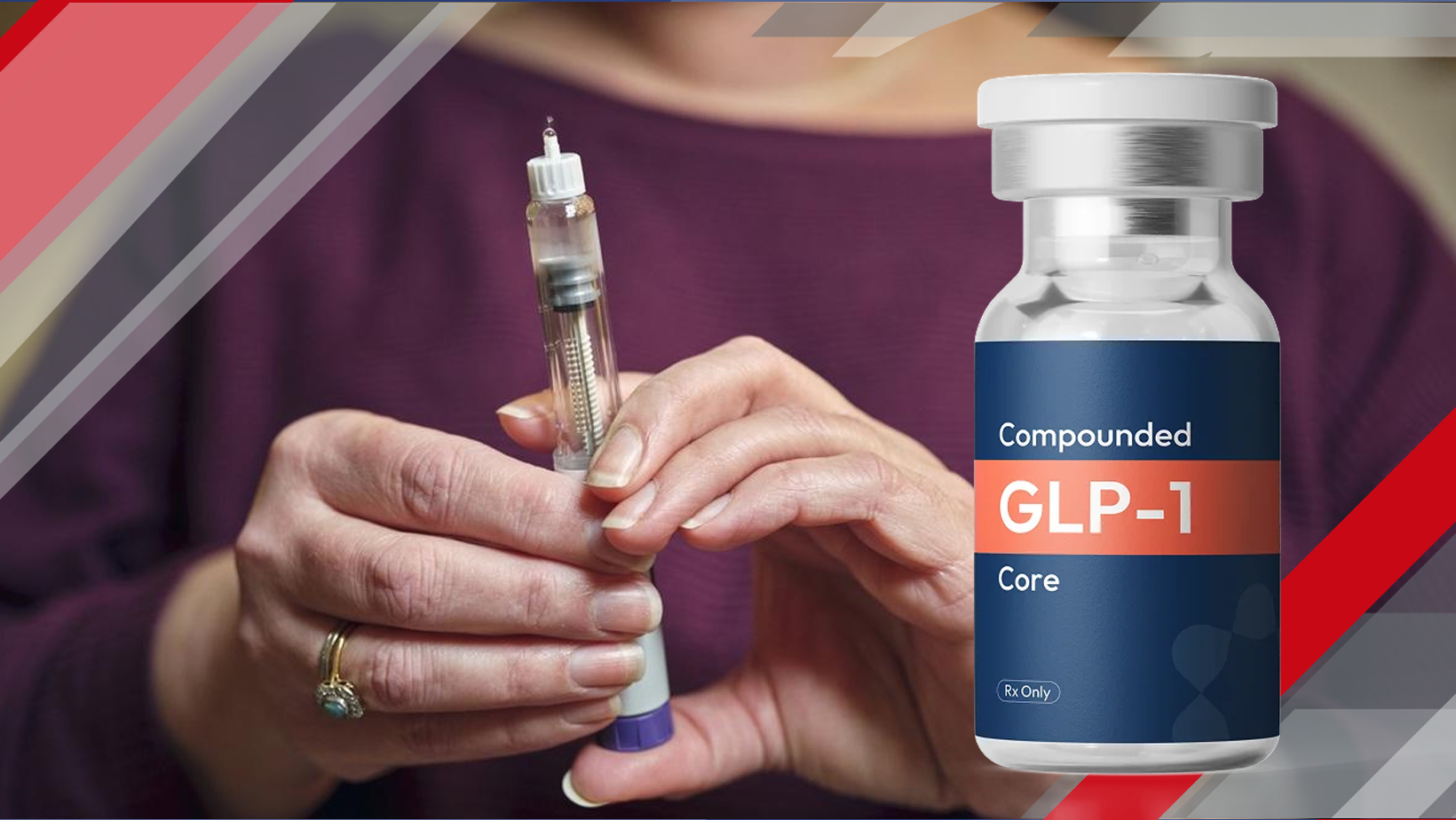
The launch of Medicare's new GLP-1 Bridge program could reshape how millions of older Americans access weight-loss medications while creating new opportunities and challenges for insurance professionals across Medicare, health, and employee benefits markets.
Beginning July 1, the Centers for Medicare & Medicaid Services (CMS) will begin the Medicare GLP-1 Bridge, a temporary demonstration program that gives eligible Medicare beneficiaries access to certain GLP-1 weight-loss medications for a $50 monthly copayment through the end of 2027. The initiative represents one of the most significant Medicare policy changes involving obesity treatment in decades and reflects the growing recognition of obesity as a chronic medical condition rather than simply a lifestyle issue.
For insurance agents, agencies, carriers, and employee benefits professionals, the program extends well beyond prescription drug coverage. It is likely to influence client conversations, Medicare enrollment decisions, employer benefit strategies, healthcare spending, and long-term claims trends.
A Historic Shift in Medicare Coverage
For many years, Medicare generally excluded medications prescribed solely for weight loss, even as GLP-1 therapies transformed obesity treatment throughout the commercial insurance market. Beneficiaries who wanted access often faced monthly costs exceeding $1,000, placing these medications out of reach for many retirees.
The Medicare GLP-1 Bridge changes that equation by allowing qualifying beneficiaries enrolled in Medicare Part D to receive covered medications for a flat $50 monthly copayment while CMS subsidizes the remaining cost through a centralized demonstration program that operates outside the traditional Part D payment system.
"The Medicare GLP-1 Bridge is a short-term demonstration that will provide eligible Medicare Part D beneficiaries with access to certain GLP-1 drugs."
Centers for Medicare & Medicaid Services
Initially, the demonstration includes Wegovy, Zepbound, and Foundayo for eligible weight management indications. Beneficiaries already receiving GLP-1 medications for approved conditions such as Type 2 diabetes or certain cardiovascular indications will generally continue receiving those medications through their existing Part D coverage rather than the Bridge program.
Who Qualifies?
Eligibility is based on both Medicare enrollment and clinical criteria. While healthcare providers determine medical eligibility, insurance professionals should understand the basic requirements because clients are likely to ask questions during annual enrollment and throughout the year.
Generally, beneficiaries must:
- Be enrolled in Medicare Part D prescription drug coverage.
- Receive a prescription from a qualified healthcare provider.
- Meet CMS clinical eligibility requirements based on body mass index and qualifying health conditions.
- Complete the required prior authorization process before receiving covered medications.
Because the demonstration uses a centralized CMS claims and approval process, participating beneficiaries will not rely solely on their Part D carrier to administer these claims.
Why Insurance Professionals Should Pay Attention
While the immediate focus is Medicare, the broader implications extend across much of the insurance marketplace.
Demand for GLP-1 medications has surged over the past several years as clinical studies have demonstrated benefits beyond weight reduction, including improvements in cardiovascular outcomes and management of obesity-related conditions. As evidence continues to expand, both public and private payers are reassessing how these therapies fit into long-term healthcare strategies.
For Medicare agents, this creates an important advisory opportunity. Clients may ask whether they qualify, how the program works, what medications are covered, and whether changing plans affects eligibility. Being prepared with accurate information can strengthen client relationships while reinforcing an agent's role as a trusted advisor.
For agencies serving employer groups, the timing is equally noteworthy. Many large employers continue wrestling with the high cost of GLP-1 coverage. Recent employer surveys indicate that some organizations are reducing or eliminating coverage because of escalating pharmacy expenses, while others continue offering benefits to remain competitive in recruiting and retaining employees.
The Medicare demonstration may become another data point employers watch closely as they evaluate future prescription drug strategies.
Potential Long-Term Impact on Healthcare Costs
One of the biggest questions surrounding the program is whether broader access to obesity treatment can reduce future medical spending.
Obesity contributes to numerous chronic conditions including diabetes, heart disease, hypertension, sleep apnea, osteoarthritis, and certain cancers. Supporters argue that improving access to effective treatments may lower hospitalizations, reduce complications, and improve overall health outcomes over time.
Critics, however, point to the substantial cost of these medications and the possibility that many patients require long-term therapy to maintain weight loss. Policymakers will closely monitor utilization, outcomes, and overall program costs during the demonstration period.
"We're really encouraged by the steps the administration is taking to improve access to obesity treatment."
Tracey Zvenyach, Obesity Action Coalition
What Agents Should Discuss with Clients
Many Medicare beneficiaries will hear headlines about "$50 weight-loss drugs" without understanding the eligibility requirements or how the program actually works. That creates an opportunity for informed conversations rather than unrealistic expectations.
Clients should understand that enrollment in Medicare Part D remains necessary, prior authorization requirements still apply, and not every GLP-1 medication or every patient will qualify. Agents should also encourage beneficiaries to consult their physicians before making treatment decisions and avoid assuming coverage based solely on media reports.
As always, setting accurate expectations early helps reduce frustration later and reinforces confidence in the advisory relationship.
Key Program Highlights
The demonstration is scheduled to operate from July 1, 2026, through December 31, 2027, giving CMS valuable real-world data before determining whether broader policy changes should be considered.
| Topic | Details |
|---|---|
| Timeline | Runs July 2026 through December 2027 demonstration period. |
| Cost | Eligible beneficiaries pay a flat $50 monthly copayment. |
| Coverage | Includes select GLP-1 therapies for qualifying weight management. |
Looking Ahead
The Medicare GLP-1 Bridge is far more than a temporary pharmacy benefit. It represents a major policy experiment that could influence future Medicare coverage, employer health plans, pharmaceutical pricing, and obesity treatment nationwide.
Insurance professionals who stay informed will be better positioned to answer client questions, explain evolving coverage options, and help beneficiaries navigate an increasingly complex healthcare landscape. As demand for GLP-1 therapies continues to grow, understanding programs like this will become an increasingly valuable part of providing comprehensive insurance advice.