
Reappearance of New World Screwworm Raises Pet Insurance Concerns
The return of the New World screwworm is a reminder that emerging animal health threats can quickly become insurance conversations, not only for livestock producers but increasingly for pet owners as well.
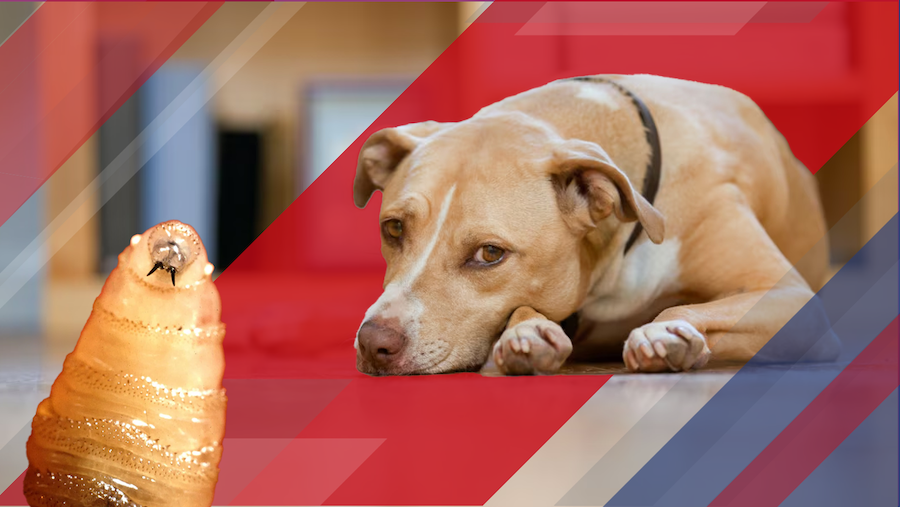
Although the current outbreak remains limited and federal officials emphasize that the overall public risk is low, the reappearance of New World screwworm in the United States after decades of eradication has captured the attention of veterinarians, ranchers, regulators, and insurers alike. The parasite has now been confirmed in livestock across parts of Texas, with an additional case involving a dog in neighboring New Mexico, prompting renewed discussions about prevention, veterinary care, and the value of comprehensive pet insurance coverage.
For insurance professionals, this developing situation offers an opportunity to educate clients about what their policies cover before an unexpected veterinary emergency occurs.
An Old Threat Returns
The New World screwworm was successfully eliminated from the United States decades ago through an innovative sterile insect release program that became one of the world's great agricultural success stories. This year, however, federal and state officials confirmed new infestations in Texas following the parasite's gradual spread northward through Central America and Mexico. USDA and state agencies have responded with aggressive surveillance, animal movement controls, fly trapping, and expanded sterile fly releases to prevent wider transmission. :contentReference[oaicite:0]{index=0}
Unlike many parasites that feed on dead tissue, screwworm larvae invade healthy living tissue after adult flies deposit eggs in open wounds or natural body openings. Left untreated, infestations can become severe, causing extensive tissue damage, infection, and even death in affected animals. Livestock remain the primary concern, but any warm-blooded mammal, including dogs, cats, wildlife, and in very rare circumstances people, can become infected. :contentReference[oaicite:1]{index=1}
"The current risk to the public and animals in the U.S. is very low."
Centers for Disease Control and Prevention
Why Insurance Professionals Should Pay Attention
Many insurance agents focus on pet insurance as protection against accidents, illnesses, surgeries, or chronic medical conditions. Emerging animal health threats like screwworm reinforce another important value proposition.
When a pet develops a serious wound requiring emergency treatment, hospitalization, medications, or surgery, veterinary bills can escalate quickly. Depending on the insurer and policy selected, many accident and illness pet insurance plans may provide coverage for medically necessary treatment related to parasite infestations and secondary infections, while optional wellness riders often help pay for routine preventive care designed to reduce overall health risks.
The exact coverage varies by carrier, waiting periods, exclusions, deductibles, and policy design, making policy reviews particularly valuable for clients who own outdoor pets or frequently travel with animals.
Practical Client Conversations
For agencies, the story creates a timely opportunity to reconnect with both existing and prospective clients. Rather than creating unnecessary concern, agents can use the news to reinforce preparedness and policy awareness.
- Review whether existing pet insurance includes accident and illness coverage.
- Explain the difference between medical coverage and optional wellness benefits.
- Encourage prompt veterinary care whenever wounds fail to heal normally.
- Remind clients that coverage details differ between carriers and policy forms.
These conversations position agencies as trusted advisors while helping customers better understand how insurance fits into unexpected animal health events.
Veterinarians Stress Prevention
Veterinarians continue to emphasize that prevention remains the best defense. Pets spending significant time outdoors, animals with untreated wounds, and those traveling through affected regions deserve extra attention. Routine inspections, prompt wound care, and immediate veterinary evaluation for unusual swelling, foul odors, or visible larvae can dramatically improve treatment outcomes.
The recent confirmed canine case also highlights the importance of monitoring pets that cross state or international borders. While indoor pets located far from affected areas currently face very little risk, experts recommend remaining informed as surveillance efforts continue. :contentReference[oaicite:2]{index=2}
"Early detection and treatment remain the most effective tools for protecting animals."
USDA Animal and Plant Health Inspection Service guidance
What Carriers Are Watching
The immediate financial impact on pet insurance remains relatively small, but carriers are closely monitoring the broader animal health landscape. Livestock insurers face more direct exposure if infestations expand geographically, while pet insurers may see localized increases in veterinary claims within affected regions.
More broadly, outbreaks like this demonstrate how environmental, agricultural, and public health events increasingly intersect with insurance. Whether the product is pet insurance, farm coverage, livestock mortality insurance, or commercial agriculture protection, carriers continue investing in risk monitoring that helps anticipate emerging claim trends before they become widespread.
Recovery Depends on Vigilance
Federal officials remain confident that proven containment strategies can once again limit the spread of New World screwworm. The same sterile insect technique that successfully eliminated the parasite from the United States decades ago is once again playing a central role in today's response, alongside enhanced surveillance and coordinated state and federal action. :contentReference[oaicite:3]{index=3}
For insurance professionals, the takeaway extends beyond this specific outbreak. Clients increasingly expect guidance that connects current events with practical risk management. Helping pet owners understand preventive care, recognize early warning signs, and review their insurance coverage before an emergency develops is another example of how trusted advisors create value well beyond the policy itself.