
Detroit Bus Accident: Insurance Implications and Coverage Issues
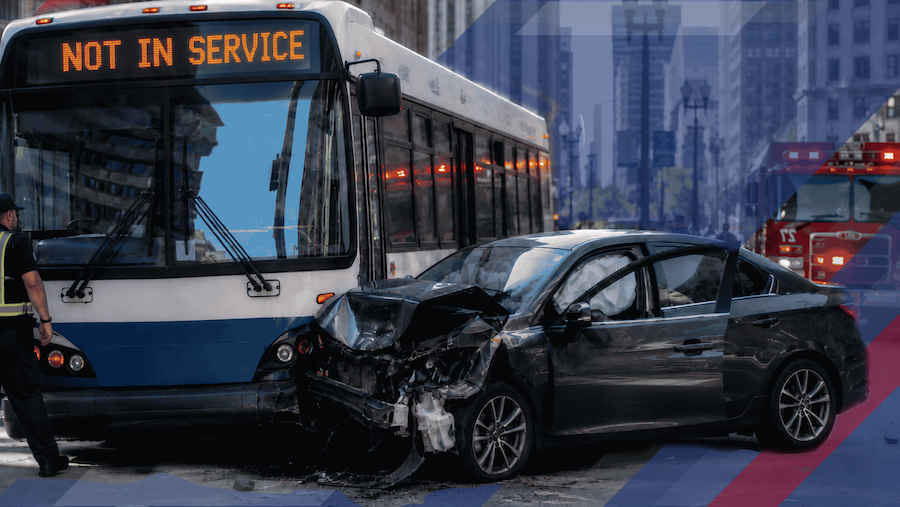
A downtown bus crash in Detroit is a reminder that public transit accidents can create complicated claim questions long before liability is fully resolved.
Why This Crash Matters Beyond Detroit
When a city bus, private vehicle, passengers, police reports, medical evaluations, and government ownership all intersect, the insurance questions can become layered quickly.
For agents, agencies, and carriers, the key lesson is not only who caused the collision. It is how benefits are accessed, how responsibility is investigated, and how public-entity rules can shape the path of a claim.
The Coverage Question Comes First
Michigan’s no-fault system generally focuses first on personal injury protection benefits, often before fault is fully assigned. That matters for injured bus passengers, because medical bills, wage loss, replacement services, and related expenses may need to move through a priority system.
Depending on the passenger’s situation, coverage could involve the passenger’s own auto policy, a resident relative’s policy, the insurer connected to the vehicle being used to transport passengers, or another statutory source.
“Persons entitled to personal protection insurance benefits or personal injury benefits” are subject to Michigan’s statutory order of priority.
Public Buses Add Another Layer
Because DDOT is a public transit agency, any bodily injury claim involving alleged negligence may also raise governmental immunity questions. That does not mean a claim is impossible. It means the claim may need to fit within a recognized exception.
Michigan law includes a motor-vehicle exception that can permit claims involving negligent operation of a government-owned vehicle. For claims professionals, that makes the early investigation especially important.
“Governmental agencies shall be liable for bodily injury and property damage resulting from the negligent operation” of a government-owned motor vehicle.
What Insurers And Agencies Should Watch
- Priority review: identify the correct PIP source before bills stack up.
- Notice timing: preserve claim rights when a public entity is involved.
- Video evidence: request bus, traffic, dashcam, and nearby surveillance footage quickly.
- Passenger documentation: separate medical evaluation from long-term injury development.
- Liability split: examine both the turning vehicle and transit operator actions.
The Bigger Industry Lesson
Transit crashes often look simple at first glance, especially when injuries are described as non-critical. But non-critical does not mean claim-free, and it certainly does not mean administratively simple.
For agencies, these incidents are opportunities to educate clients about how no-fault benefits actually work when they are passengers rather than drivers. For carriers, they reinforce the need for fast coverage triage, disciplined evidence preservation, and clean communication between bodily injury, PIP, subrogation, and public-entity claim teams.
A Practical Takeaway For The Insurance Desk
The first question after a public transit crash should not be, “Who is at fault?” The better first question is, “Which coverage responds now, and what evidence must be preserved before it disappears?”
That shift helps agencies guide clients more clearly and helps carriers manage claims with fewer delays, fewer disputes, and a stronger record when liability questions become more complicated later.