
Blue Shield's Community Dinner Initiative: Nourishing Local Residents
Health insurers are increasingly discovering that some of the most meaningful improvements in community health begin long before a patient walks into a doctor's office.
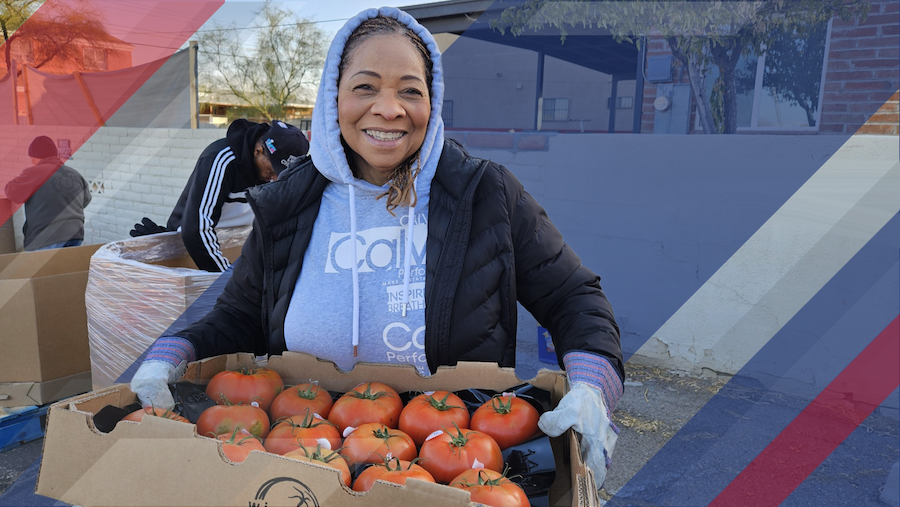
Across the country, insurers are expanding investments in nutrition, community partnerships, food security, and preventive wellness as part of a broader strategy to improve health outcomes while addressing the social factors that influence medical costs. Recent community initiatives involving Blue Shield of California Promise Health Plan, the Hollywood Food Coalition, and Thrive Global illustrate how insurers are increasingly supporting programs that combine healthy food, education, and local services to strengthen communities. :contentReference[oaicite:0]{index=0}
Why Food Security Has Become an Insurance Issue
Health insurers have long recognized that access to healthcare alone cannot solve many of the chronic conditions driving medical costs. Factors such as nutrition, housing stability, transportation, education, and social support often have a greater influence on long-term health than clinical treatment alone.
As a result, many carriers have expanded investments in community-based organizations that already serve vulnerable populations. Rather than duplicating existing services, insurers increasingly provide financial support, volunteers, educational resources, and wellness programming that complement local nonprofits.
"Access to nutrient-rich, budget-friendly meals is necessary for every individual's overall well-being."
Kristen Cerf, President and CEO, Blue Shield of California Promise Health Plan
Community Partnerships Continue to Expand
The Hollywood Food Coalition has operated its Community Dinner program for more than three decades, transforming surplus food into nutritious meals while also connecting guests with clothing, housing resources, mental health services, and other forms of assistance. Blue Shield Promise recently supported the effort through employee volunteer activities, donated kitchen equipment, and distribution of healthy cooking resources designed to make nutritious meals more affordable and accessible. :contentReference[oaicite:1]{index=1}
The collaboration also reflects a growing emphasis on practical health education. Rather than simply encouraging healthier eating, organizations are providing recipes, cooking instruction, and equipment that help families prepare inexpensive meals using commonly available ingredients.
The "Food Is Medicine" Movement Continues to Gain Momentum
Programs centered on nutrition have become increasingly common throughout healthcare. The concept often referred to as "Food Is Medicine" focuses on improving health by making nutritious foods more accessible while helping individuals develop sustainable eating habits.
Insurers, healthcare providers, nonprofit organizations, and community partners increasingly view nutrition education as an investment that may contribute to improved management of chronic conditions such as diabetes, hypertension, obesity, and cardiovascular disease.
"Food is a big part of our mission... What we eat affects everything else."
Arianna Huffington, Founder and CEO, Thrive Global
What This Means for Insurance Professionals
- Community investment is becoming a competitive differentiator. Many health plans now highlight local partnerships as part of their broader value proposition.
- Preventive health initiatives continue to expand. Wellness programs increasingly include nutrition education alongside traditional care management.
- Social determinants remain a major focus. Carriers continue investing in programs that address barriers beyond medical treatment.
- Local nonprofit partnerships create measurable impact. Existing community organizations often provide efficient pathways for reaching underserved populations.
- Agents can better understand evolving carrier priorities. Many Medicare Advantage and Medicaid plans now emphasize community engagement alongside traditional healthcare benefits.
| Focus | Insurance Value |
|---|---|
| Nutrition Supports healthier long-term habits and disease prevention. |
Potentially reduces future healthcare utilization and costs. |
| Community Builds trusted relationships with local organizations. |
Improves member engagement and community visibility. |
| Education Provides practical wellness resources families can use. |
Supports preventive care strategies beyond clinical settings. |
A Broader Trend Worth Watching
For insurance agencies and carriers, these initiatives demonstrate how healthcare continues to evolve beyond traditional coverage. Community-based programs that combine nutrition, education, volunteer engagement, and social services are becoming an increasingly visible part of many health plans' long-term strategies.
As employers, government programs, and consumers continue placing greater emphasis on preventive care and whole-person health, partnerships between insurers and community organizations are likely to become even more common. For insurance professionals, understanding these efforts provides valuable insight into how carriers are positioning themselves, how member expectations are changing, and where future innovation in healthcare may emerge.