
Understanding the Impact of Severe Convective Storms on Insurance
Severe convective storms are no longer a secondary catastrophe concern for insurers. They have become the industry's most expensive weather-related threat, reshaping underwriting, pricing, and risk management strategies across the United States.
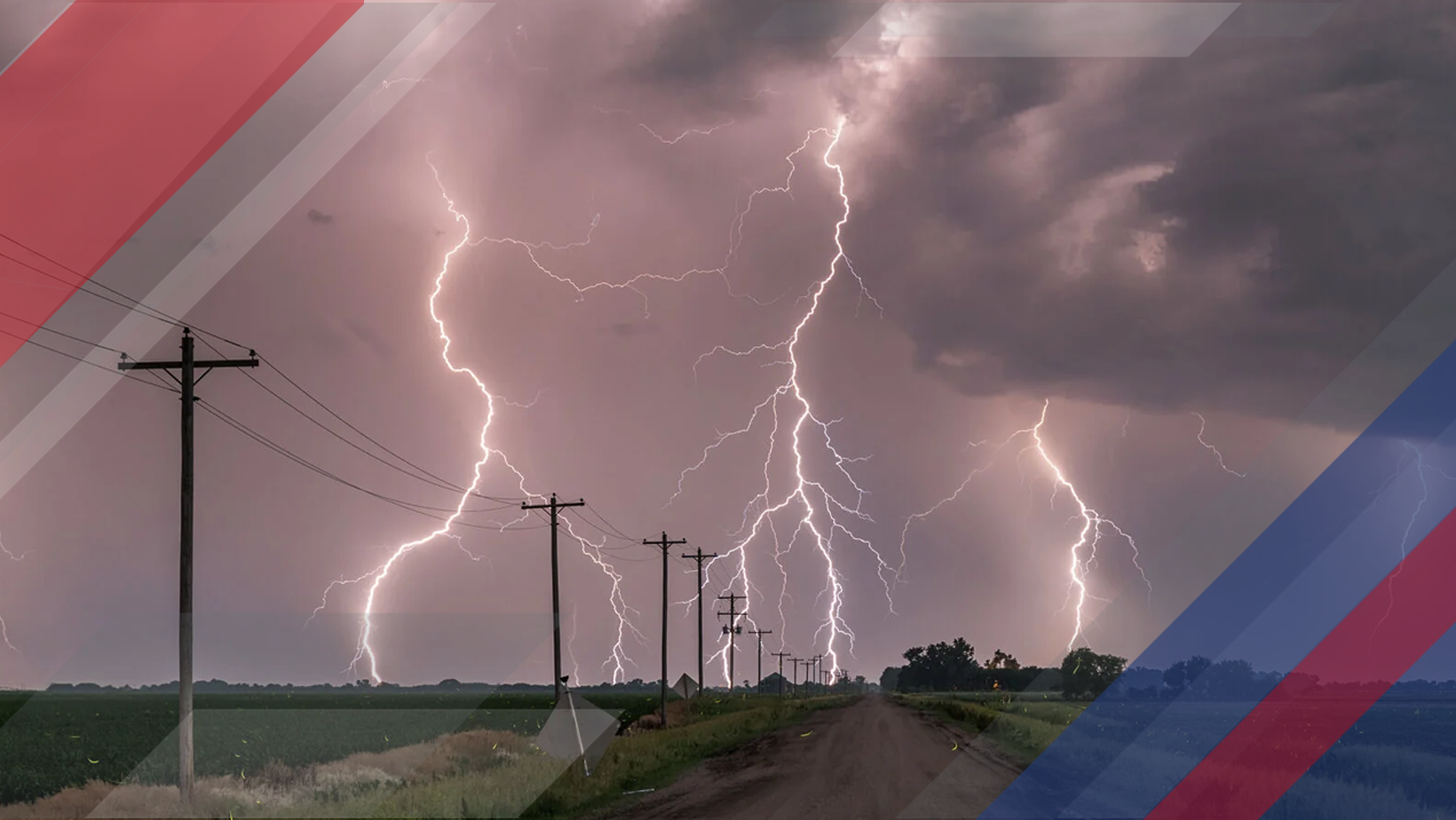
For decades, hurricanes dominated conversations about catastrophic insurance losses. Today, a different peril is demanding attention. Severe convective storms (SCSs), including hail, tornadoes, straight-line winds, and severe thunderstorms, are generating unprecedented insured losses and creating challenges for carriers, agencies, and policyholders alike.
Recent industry data shows insured losses from severe convective storms reached approximately $127 billion in 2025. What makes this figure particularly notable is that it occurred during a year that was not considered exceptionally active from an overall catastrophe perspective. The trend signals a structural shift in weather-related risk rather than a temporary spike in losses.
For insurance professionals, understanding how severe convective storms are changing the risk landscape has become essential for long-term profitability, customer retention, and portfolio management.
Why Severe Convective Storms Are Driving Insurance Losses Higher
Unlike hurricanes, which often receive days of media coverage and preparation time, severe convective storms develop rapidly and can impact highly populated areas with little warning. Their localized nature makes them difficult to predict and challenging to model accurately.
The damage profile of these events also creates unique insurance challenges. A single storm system can generate thousands of roof claims, vehicle claims, commercial property losses, and business interruption claims across multiple counties in a matter of hours.
Hail remains one of the most expensive components of severe convective storm losses. Industry analysts estimate that a major Texas hail event in 2023 generated between $7 billion and $10 billion in insured losses alone. As property values increase and development expands into exposed regions, the financial consequences of similar storms continue to grow.
"The industry is facing a new era where severe convective storms are becoming a primary driver of catastrophe losses rather than a secondary concern."
Industry Risk Analysts
The Expanding Geography of Risk
One of the most significant developments for insurers is the changing geography of severe weather exposure. Historically, hail and tornado risk were concentrated within well-defined regions commonly known as Tornado Alley. Today, that risk footprint is broadening.
Research indicates that tornado activity is increasingly shifting eastward into portions of the Midwest and Southeast. States that were once considered moderate-risk markets are now experiencing more frequent and costly storm activity.
This shift is creating underwriting challenges for carriers that built pricing models around historical weather patterns. Areas in Illinois, Ohio, Tennessee, Kentucky, and the Carolinas are seeing growing exposure to severe storms, while traditional hail-prone states such as Texas, Oklahoma, Kansas, and Nebraska continue to face elevated claim frequency.
The result is a much broader concentration of catastrophe risk across the country, affecting millions of homeowners who may not view themselves as living in high-risk weather zones.
What Rising Losses Mean for Homeowners Insurance
The financial impact of severe convective storms is increasingly visible in homeowners insurance premiums. Nationwide, homeowner insurance costs have risen dramatically since 2021, with many storm-exposed states experiencing substantially higher increases than the national average.
In 2025, states including Minnesota, Iowa, and South Carolina experienced rate increases approaching 20 percent as carriers responded to worsening loss experience. Some insurers have reduced market participation, tightened underwriting standards, or limited new business in areas where storm-related losses have become difficult to sustain.
For agencies, these changes create a delicate balancing act. Clients facing premium increases often expect agents to provide answers, alternatives, and risk management guidance. Agencies that proactively educate policyholders about weather trends and mitigation opportunities are increasingly positioned to strengthen customer relationships during difficult renewal conversations.
The Scale of the Exposure
Recent property risk analysis reveals the sheer magnitude of severe convective storm exposure across the United States. More than 43.5 million properties are estimated to face moderate or greater hail risk.
Major metropolitan areas are not immune. Regions such as Chicago represent significant concentrations of insured value exposed to hail and severe thunderstorm activity. As urban development expands and reconstruction costs remain elevated, even moderate storms can generate substantial aggregate losses.
The combination of higher property values, increased replacement costs, labor shortages, and supply chain pressures means that each claim is becoming more expensive to settle. Even when storm frequency remains relatively stable, claim severity continues to climb.
Key Challenges Facing Carriers
Carriers are responding to severe convective storm trends through a variety of strategic adjustments designed to improve resilience and maintain profitability.
Pricing and Underwriting Adjustments
Actuarial teams are placing greater emphasis on localized weather analytics, roof age, construction quality, and property-specific exposure characteristics. Traditional county-level approaches are increasingly giving way to more granular risk assessment models.
Reinsurance Considerations
As severe convective storm losses consume a larger share of catastrophe budgets, reinsurance costs and attachment strategies are receiving renewed scrutiny. Carriers must evaluate whether current programs adequately address the frequency of these events.
Claims Management Pressure
Storm-driven claim surges can strain adjuster networks and vendor capacity. Investments in digital claims technology, aerial imagery, and artificial intelligence-assisted inspections are becoming increasingly important for maintaining service levels during peak catastrophe periods.
What El Niño Could Mean for 2026
Meteorologists are closely monitoring expected El Niño conditions during 2026. While El Niño is often associated with reduced Atlantic hurricane activity, its influence on severe convective storms is far less predictable.
Weather experts suggest that shifting atmospheric patterns could alter the location, timing, and intensity of severe thunderstorm outbreaks. Some regions along the Gulf Coast and throughout the Southeast may experience heightened storm potential depending on how seasonal weather patterns evolve.
For insurers, the uncertainty reinforces the importance of flexible catastrophe planning. The industry's growing experience with severe convective storms demonstrates that lower hurricane activity does not necessarily translate into lower catastrophe losses overall.
"Weather risk is increasingly defined by volatility, making adaptability one of the most important tools available to insurers."
Catastrophe Modeling Specialists
Where Agencies Can Add Value
As storm-related losses continue to influence premiums and coverage availability, independent agents have an opportunity to become trusted risk advisors rather than simply policy providers.
- Encourage clients to install impact-resistant roofing materials where available.
- Review replacement cost estimates regularly to ensure adequate coverage.
- Discuss deductible options before storm season begins.
- Promote routine roof and property maintenance programs.
- Educate policyholders about evolving weather risks in their region.
Proactive conversations can help reduce claim severity while improving customer satisfaction and retention.
How the Industry Is Adapting
| Focus Area | Industry Response |
|---|---|
| Modeling: More granular property-level risk analysis | Action: Enhanced weather data and predictive tools |
| Underwriting: Increased focus on roof condition | Action: Greater use of inspections and imagery |
| Claims: Faster catastrophe response requirements | Action: Expanded digital and remote assessments |
| Mitigation: Reducing future property damage exposure | Action: Incentives for resilient construction upgrades |
A Defining Challenge for the Decade Ahead
Severe convective storms have emerged as one of the defining challenges facing the property insurance industry. Their combination of growing frequency, expanding geographic reach, rising claim severity, and forecasting complexity is forcing carriers, agencies, and reinsurers to rethink traditional approaches to catastrophe risk.
While hurricanes will remain a major concern, the industry's recent loss experience makes it clear that severe thunderstorms, hail, tornadoes, and damaging winds deserve equal attention. Organizations that invest in advanced analytics, stronger mitigation strategies, and proactive customer engagement will be better positioned to navigate an increasingly volatile weather environment.
For insurance professionals, the message is clear: severe convective storms are no longer an emerging risk. They are a central force shaping the future of underwriting, pricing, and property insurance performance across the United States.