
Fake Medical-Supply Claims Are Showing Up on EOBs: What Insurance Professionals Should Tell Clients
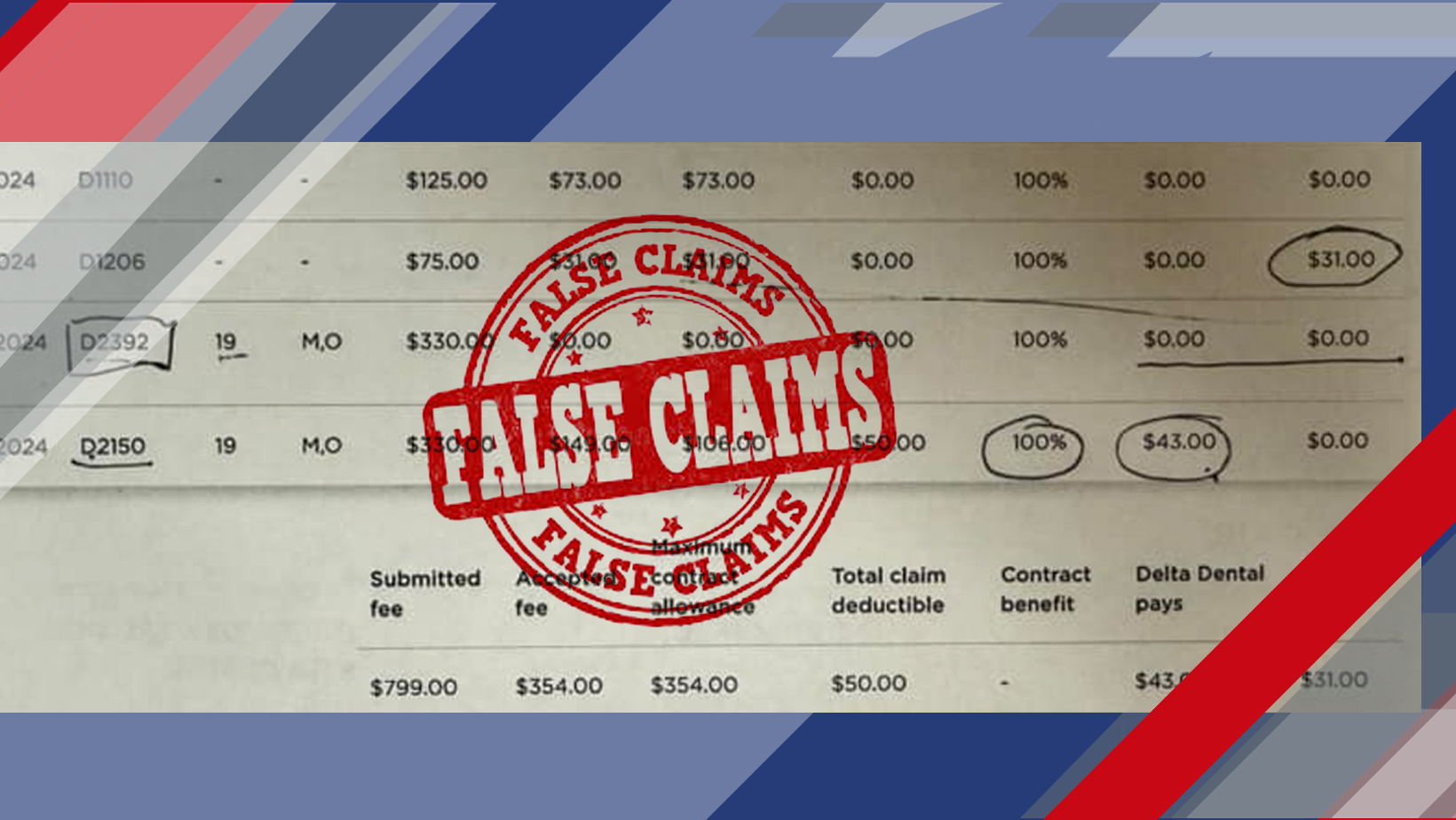
Fake medical-supply claims showing up on Medicare and health-plan Explanation of Benefits statements are a timely reminder that fraud prevention is now a client service issue for every insurance professional serving older adults.
A Billing Scam Clients May Not Notice Right Away
Recent consumer reports submitted to BBB Scam Tracker described a familiar but troubling pattern: people reviewing their Medicare, Medicare Advantage, Medicaid, or commercial health insurance statements found claims for medical supplies they said they never ordered, never received, or did not medically need. Some reports involved durable medical equipment, wound-care supplies, catheters, braces, and other items that can generate large insurance claims without requiring the consumer to pay anything at the point of sale.
That last detail is important. When the consumer does not lose money directly, the scam can feel less urgent. But for agents, agencies, and carriers, these reports point to a much bigger problem. False claims can distort a client’s medical record, create confusion during future care, affect benefits, waste program dollars, and expose personal health information or insurance identification numbers to further misuse.
For seniors in particular, the Explanation of Benefits, Medicare Summary Notice, or plan statement may be the first and only warning sign that something is wrong. A line item for supplies from an unfamiliar company, a provider the client has never visited, or repeated claims over several months should be treated as a red flag, not as paperwork to ignore.
Why This Matters To Agents And Agencies
Insurance professionals are often the trusted first call when clients are confused by plan documents. That creates an opportunity to turn a confusing fraud issue into a simple client-education moment. Agents do not need to become fraud investigators. They do need to help clients understand what an EOB is, what it is not, and when an unfamiliar claim deserves attention.
Many clients still believe an EOB is a bill. Others throw it away because it says “this is not a bill.” In fraud scenarios, that phrase can accidentally reduce vigilance. The document may not require payment, but it can still reveal whether someone is using the client’s insurance information to bill for care, supplies, or services that never happened.
This is where agents can add real value. A short reminder during enrollment, annual reviews, renewal conversations, or Medicare education events can help clients spot problems earlier and report them through the right channels.
“Never share your Medicare number with someone who calls unexpectedly.”Federal Trade Commission
The Pattern Behind Medical-Supply Fraud
Medical-supply fraud is not new, but the mechanics continue to evolve. Fraudsters may use unsolicited phone calls, online forms, mailers, social media ads, lead-generation offers, or third-party marketers to collect Medicare numbers, plan IDs, birth dates, or other personal information. In some cases, consumers are told the supplies are “free,” “covered,” or “recommended.” In others, the client may never speak with the company at all and only learns about the activity after reviewing a statement.
Durable medical equipment is especially attractive to bad actors because it can involve higher-dollar billing and recurring claims. Braces, wheelchairs, wound-care products, diabetic supplies, and urinary catheters are examples of items that may appear legitimate on paper but still require scrutiny when the client never requested or received them.
For carriers, the concern extends beyond one suspicious claim. Fraudulent billing can create noisy data, complicate utilization review, increase administrative costs, and weaken member trust. For agencies, the concern is reputational and relational. If a client sees a strange claim and does not know where to turn, the agent who helped them choose the plan may become the person they call first.
What Clients Should Look For
Clients do not need to understand every billing code to catch obvious warning signs. They simply need to slow down, scan the statement, and compare it with their actual care. The most useful advice is practical: look for names, dates, services, and supplies that do not match reality.
- Unknown supplier: A company name the client does not recognize.
- Unexpected supplies: Braces, catheters, wound products, or equipment never ordered.
- Repeated billing: The same unfamiliar claim appearing month after month.
- Wrong provider: A doctor, clinic, or prescriber the client never used.
- Denied claims: Multiple denials for items the client never requested.
- Paid claims: Payments made for supplies or services never received.
A Simple EOB Conversation Agents Can Use
The best fraud-prevention conversations are short and repeatable. Instead of overwhelming clients with technical language, agents can frame the EOB as a safety document. It shows what was billed, what the plan allowed, what was paid, and what the client may owe. Even when nothing is owed, the statement still deserves a quick review.
A helpful client message might sound like this: “When your Medicare Summary Notice or EOB arrives, do not just file it away. Take two minutes to check whether the doctors, dates, and supplies look familiar. If you see something you did not receive, call the plan or Medicare before assuming it is harmless.”
That guidance is especially important for caregivers and adult children helping parents manage paperwork. Many suspicious claims are discovered by family members who review mail, online plan portals, or Medicare account activity for a loved one.
How Agencies Can Build This Into Service
Agencies can make EOB education part of their standard service rhythm. Add a reminder to Medicare onboarding checklists, renewal emails, client newsletters, seminar handouts, and post-enrollment follow-up calls. The message does not need to be alarming. It should be empowering.
For example, an agency might tell clients to keep a small folder for plan statements, compare each notice against recent appointments, and write down any unfamiliar supplier names before calling the plan. This helps the client report clearly and gives the carrier or Medicare representative more useful information.
Where Clients Should Report Suspicious Claims
When a client finds a suspicious claim, the first step is usually to contact the health plan, Medicare, or the number listed on the back of the insurance card. Clients should be encouraged to have the EOB or Medicare Summary Notice in front of them when they call. They should note the supplier name, service date, claim amount, and whether the claim was paid, denied, or still pending.
Clients can also report suspected Medicare fraud through official government fraud-reporting channels and Senior Medicare Patrol programs, which are designed to help beneficiaries, families, and caregivers identify and report possible fraud, errors, and abuse. BBB Scam Tracker can also help consumers warn others about suspicious activity, especially when the issue involves a company name, phone call, mailer, or online offer.
| Step | Client Action | Agent Role |
|---|---|---|
| Review: Check every statement carefully | Compare: Match claims to real care | Educate: Explain why EOBs matter |
| Question: Flag unfamiliar supplier names | Document: Save dates and claim details | Guide: Point clients to plan contacts |
| Report: Contact plan or Medicare promptly | Protect: Guard Medicare and plan IDs | Reinforce: Repeat reminders at renewal |
What Carriers Should Take From These Reports
For carriers and plan administrators, the client experience around suspicious claims matters as much as the fraud analytics. Members should be able to understand their EOBs, identify the right phone number, and report a concern without feeling blamed or overwhelmed. Clear statement design, plain-language explanations, and responsive service teams can improve both detection and trust.
Carriers may also benefit from proactive member education around recurring medical-supply claims. If a member sees repeated charges from an unfamiliar supplier, the plan’s communication should make it easy to ask, “Did you receive this?” or “Do you recognize this provider?” The faster a suspicious pattern is reported, the easier it may be to stop additional billing and correct records.
Agencies and carriers can work together here. Carriers have claim data and fraud teams. Agents have relationships and recurring client touchpoints. When those strengths line up, the industry can help clients recognize fraud sooner without making them feel responsible for solving it alone.
“Check your claims early, the sooner you find and report errors, the sooner you can help stop fraud.”Medicare fraud-prevention guidance
The Trust Opportunity For The Insurance Industry
Every suspicious EOB is more than a claims issue. It is a trust moment. A client who finds a fake medical-supply claim may worry that their identity has been stolen, that their benefits will be affected, or that they did something wrong. A calm, informed insurance professional can make the next step feel manageable.
This is also a reminder that fraud education should not be reserved for open enrollment. It belongs in year-round service, especially for Medicare clients, caregivers, and households where someone else helps manage the mail. The most effective message is simple: read the statement, question anything unfamiliar, protect your insurance numbers, and report suspicious activity quickly.
For agents, agencies, and carriers, that message is both practical and brand-building. It shows clients that insurance guidance does not stop after the application is submitted. It continues when confusing paperwork arrives, when something looks wrong, and when the client needs a trusted voice to help them take the right next step.
::contentReference[oaicite:0]{index=0}