
North St. Louis Tornado Exposes Deep Insurance Coverage Crisis and Recovery Risks
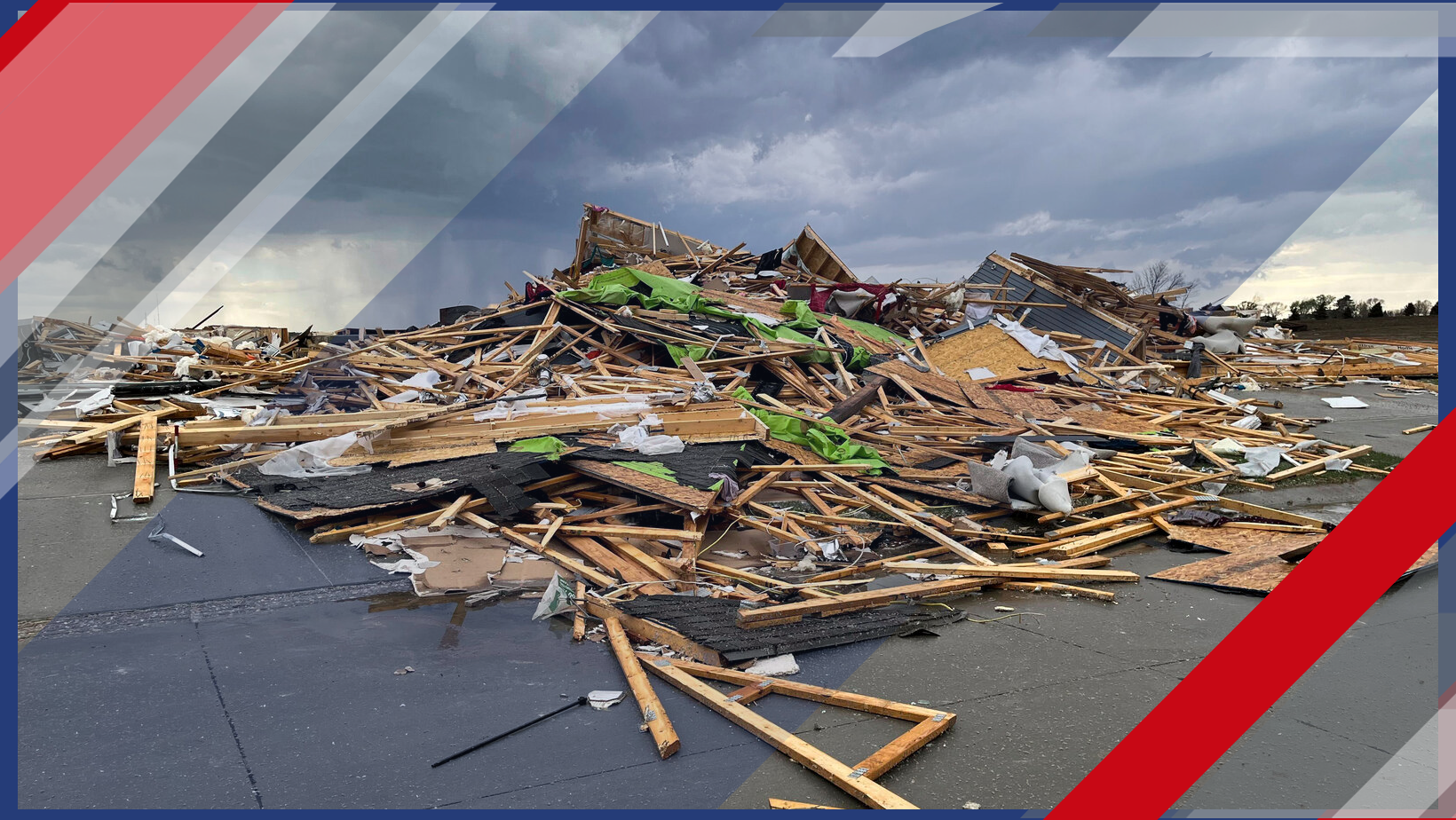
North St. Louis is facing more than tornado recovery challenges. It is confronting one of the clearest examples in the country of what happens when widespread underinsurance collides with catastrophic weather.
The recent tornado damage across North St. Louis has exposed a longstanding insurance protection gap that many industry professionals have quietly worried about for years. Newly public data from the Missouri Department of Commerce and Insurance shows that several ZIP codes across North St. Louis have experienced persistently low homeowners insurance participation rates dating back nearly a decade.
For agents, carriers, and agencies, the situation is not simply a regional catastrophe story. It is a warning sign about affordability, consumer trust, policy literacy, and the growing difficulty of maintaining sustainable property insurance markets in vulnerable communities.
The numbers are difficult to ignore. In ZIP codes 63107, 63113, 63115, and 63147, approximately half of homeowners lacked homeowners insurance coverage between 2015 and 2024. In 63107 specifically, the data showed 73% of homeowners and 92% of renters were uninsured.
The Insurance Gap Was Years in the Making
Missouri has collected residential insurance participation data since 1988, but much of it remained largely out of public view until now. The recent tornado brought those figures into sharper focus because uninsured and underinsured households are now struggling to rebuild without adequate financial support.
For insurance professionals, the story highlights an uncomfortable reality. Insurance availability alone does not guarantee insurance participation. Even in markets where coverage technically exists, affordability concerns, distrust of insurers, confusion about policy language, and economic instability can leave large portions of communities effectively uninsured.
North St. Louis reflects many of those pressures simultaneously. Older housing stock, lower median household incomes, vacancy issues, and rising property repair costs have all contributed to a difficult underwriting environment. At the same time, inflation and severe weather losses have driven premium increases nationwide.
The result is a cycle many agencies recognize well. Premiums rise after losses. Consumers reduce coverage or drop policies altogether. Catastrophe strikes again, and recovery becomes dramatically slower.
“Without insurance, families are left trying to rebuild with savings they often do not have.”
Missouri consumer advocates
Why Joplin Recovered Faster
Many observers have compared the North St. Louis tornado response to the aftermath of the devastating 2011 tornado in Joplin, Missouri. The contrast offers an important lesson for the insurance industry.
Joplin's recovery was accelerated in large part because insured losses translated into immediate capital flowing back into the community. Claim payments supported contractors, rebuilding activity, temporary housing, and local economic stabilization. Insurance became an economic recovery engine.
North St. Louis faces a more complicated path. Lower insurance penetration means fewer households can access the financial resources necessary to repair or replace damaged property quickly. That slows neighborhood recovery, depresses property values further, and increases long term economic strain.
This distinction matters greatly for carriers and agencies operating in catastrophe prone regions. Insurance participation does not simply protect individual policyholders. It directly influences how entire communities recover after major losses.
A Growing Affordability Problem
The property insurance affordability debate is no longer limited to coastal states. Across the Midwest and central United States, severe convective storms, hail, tornadoes, and wind losses are pressuring underwriting profitability.
Reinsurance costs have increased significantly over the past several years, and many carriers have responded with tighter underwriting standards, higher deductibles, valuation adjustments, and premium increases. In vulnerable ZIP codes, even modest increases can push coverage out of reach.
The North St. Louis experience demonstrates what can happen when economic stress and catastrophe exposure intersect. Consumers often make rational short term financial decisions that create devastating long term risk.
Underinsurance Is Becoming Just as Dangerous
Even among insured property owners, coverage adequacy remains a major concern. One widely discussed example involves property owner Kim Holt, whose claim payout reportedly fell well below actual repair costs because of policy limitations and valuation conditions.
That experience mirrors concerns many agencies hear regularly from policyholders nationwide. Rising reconstruction costs have created significant gaps between insured values and actual replacement costs. Consumers who purchased coverage years ago may not fully understand how inflation, endorsements, deductibles, depreciation provisions, or actual cash value limitations affect claim outcomes.
For agencies, this reinforces the growing importance of proactive policy reviews and replacement cost education. The industry is increasingly recognizing that simply placing coverage is not enough. Policy comprehension has become a critical part of risk management.
“People often believe they are fully protected until they experience a loss and discover important limitations buried in the policy.”
Regional property claims consultant
Missouri Regulators Face Pressure for Transparency
In response to the tornado, Missouri issued Bulletin 25-10, advising insurers against canceling policies in impacted areas immediately following the disaster. While the bulletin was intended to stabilize the market temporarily, questions remain regarding enforcement and broader consumer protections.
Industry observers are also watching for additional disclosures involving insurer claims practices, communication strategies, and company specific performance data related to the tornado response. Consumer advocates continue pressing for more transparency surrounding claim handling timelines, nonrenewal decisions, and coverage disputes.
At the same time, carriers continue expressing concern about Missouri's legal environment and litigation pressures. Many insurers argue that increased legal costs, fraud exposure, and weather related losses are placing additional strain on property markets.
Yet those market concerns alone do not explain why insurance participation remained critically low in several North St. Louis ZIP codes long before the recent tornado.
Where the Industry May Need to Adapt
The North St. Louis situation may ultimately force broader conversations throughout the insurance industry about distribution, education, and community engagement.
Many consumers in underserved markets remain unfamiliar with key policy concepts such as replacement cost valuation, ordinance and law coverage, roof settlement provisions, or additional living expense limitations. Others assume insurance is simply unaffordable without fully understanding available options.
For independent agents and carriers, there may be opportunities to rethink how insurance literacy is delivered before catastrophic losses occur.
Potential Areas of Focus
- Expanding community based insurance education initiatives before disaster seasons
- Increasing annual replacement cost reviews for aging properties
- Simplifying policy language explanations during onboarding and renewals
- Developing more flexible coverage structures for lower income homeowners
- Improving renter insurance awareness in high risk urban ZIP codes
Coverage Gaps Are Becoming a National Concern
While North St. Louis is receiving attention today, similar patterns are emerging across many regions of the country. Severe weather events are increasing in frequency and severity, while affordability pressures continue building.
Federal disaster assistance also rarely replaces the role of insurance. Most disaster aid is limited, delayed, or structured as loans rather than direct rebuilding support. Without adequate private insurance participation, recovery timelines lengthen dramatically.
For carriers and agencies, the larger challenge involves balancing sustainable underwriting with maintaining accessible coverage in vulnerable communities. That balance will likely become one of the defining issues for the property insurance sector over the next decade.
What North St. Louis Represents for the Industry
The tornado damage in North St. Louis exposed more than structural vulnerabilities. It revealed how quickly insurance protection gaps can evolve into full scale economic recovery problems.
For agents, agencies, and carriers, the lesson extends well beyond Missouri. Communities with persistent underinsurance are more fragile after catastrophe events, and those vulnerabilities often remain hidden until disaster strikes.
The industry now faces a broader challenge that goes beyond claims response alone. Building long term resilience may require stronger consumer education, clearer policy communication, and new approaches to maintaining affordability without sacrificing sustainable underwriting practices.
As regulators, carriers, and communities continue evaluating the aftermath of the North St. Louis tornado, one reality is increasingly clear. Insurance penetration is no longer simply a market metric. In catastrophe exposed regions, it has become a direct measure of community resilience.