
Palisades Lawsuit Over Ryobi Battery Explosion Aims to Recover $352K
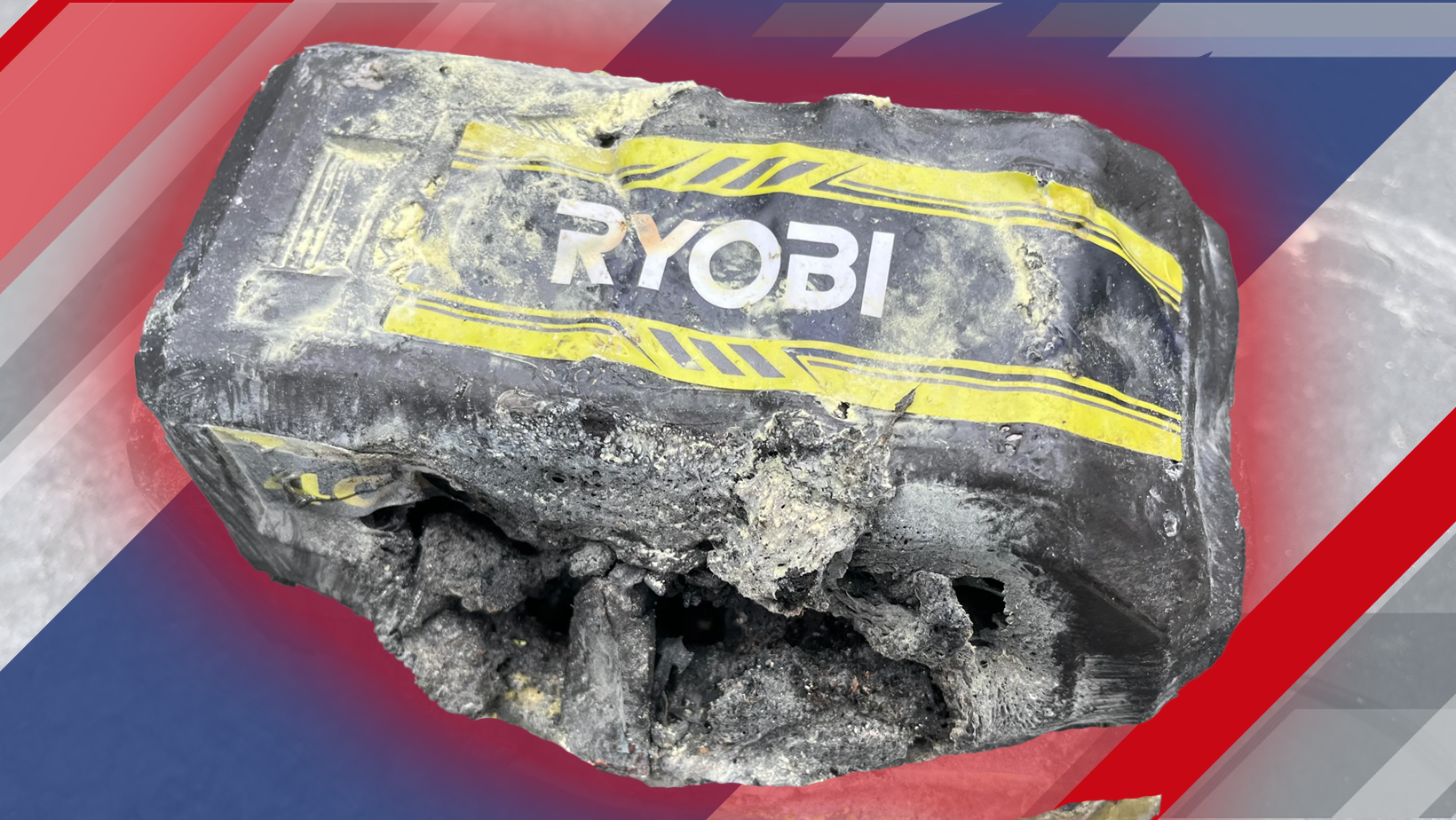
A New Jersey lawsuit tied to a Ryobi lithium-ion battery fire is putting renewed attention on one of the insurance industry's fastest growing and most complex property risk exposures.
Palisades Property and Casualty Insurance Company has filed suit in the U.S. District Court of New Jersey seeking to recover more than $352,000 paid after a house fire in Maple Shade allegedly originated from a Ryobi 40V lithium-ion battery charging inside the home. The lawsuit names TTI Outdoor Power Equipment Inc., the parent company of Ryobi, and claims a defect in the battery pack triggered thermal runaway, ultimately causing the destructive fire.
According to the complaint, the battery was connected to a charger on April 19, 2023, when a short circuit allegedly developed within the battery’s printed circuit board. That malfunction reportedly caused overheating and ignition of the lithium-ion cells, resulting in significant damage to the insured property owned by Abraham Urena and Denny Maria Polanco de Urena.
For insurance professionals, the case reflects a much larger industry challenge. Lithium-ion battery related losses are no longer isolated incidents involving only smartphones or hoverboards. They now extend into power tools, landscaping equipment, e-bikes, electric vehicles, home storage systems, and commercial applications that are increasingly common across personal and commercial lines.
Why Lithium-Ion Battery Claims Continue to Rise
Lithium-ion batteries have become essential to modern consumer and commercial products because they are lightweight, rechargeable, and energy dense. Those same characteristics, however, can create severe fire hazards when manufacturing defects, charging issues, physical damage, or improper storage conditions are involved.
One of the greatest concerns for insurers is thermal runaway, a chain reaction in which heat inside a battery cell rapidly escalates and spreads to neighboring cells. Once initiated, these fires can burn intensely, reignite unexpectedly, and generate toxic smoke.
The Ryobi lawsuit alleges precisely this type of sequence. Palisades claims the battery design lacked adequate safeguards and warnings to prevent the overheating event while charging.
“Lithium-ion battery incidents are creating a convergence of property, product liability, subrogation, and underwriting concerns that carriers can no longer treat as isolated claims.”
Industry Risk Consultant
Federal agencies and fire safety organizations have warned that the frequency of lithium-ion related fires has increased significantly in recent years. Fire departments across the United States have reported growing numbers of incidents involving rechargeable batteries in residential settings, particularly in garages, basements, and charging stations.
For carriers, these losses can quickly escalate beyond structural damage. Smoke contamination, displacement expenses, personal property loss, and potential bodily injury claims can substantially increase severity.
Subrogation Is Becoming a Major Recovery Strategy
The Palisades lawsuit highlights another emerging trend: aggressive subrogation efforts tied to battery related losses.
When insurers suspect defective battery systems contributed to a fire, carriers are increasingly pursuing manufacturers, distributors, importers, and component suppliers to recover paid claims. In many cases, battery failures involve complex supply chains with multiple parties potentially sharing liability.
The New Jersey complaint includes allegations of:
- Strict product liability related to alleged design defects
- Negligence in testing, manufacturing, and quality control procedures
- Breach of express and implied warranties involving product safety expectations
- Failure to provide adequate warnings regarding charging risks and fire hazards
These legal theories are becoming increasingly common in battery fire litigation nationwide. Insurers pursuing recovery often rely heavily on origin and cause investigations, forensic battery analysis, and engineering experts capable of identifying failure mechanisms within damaged cells and charging systems.
Implications for Underwriting and Risk Selection
For agencies and carriers, lithium-ion exposure management is becoming a critical underwriting conversation. The rapid adoption of battery powered devices has outpaced many traditional property risk frameworks.
Personal lines underwriters are increasingly evaluating charging practices, garage storage conditions, and the presence of high powered devices such as e-bikes, scooters, or large landscaping equipment batteries.
Commercial lines carriers face even broader concerns involving warehouses, contractors, landscaping businesses, retail operations, and battery storage facilities.
Agents also may find themselves fielding more client questions regarding safe charging practices, battery disposal, and coverage implications for emerging technologies.
Claims Handling Challenges Continue to Evolve
Lithium-ion fire investigations are often more complicated than traditional residential fire losses. Determining the exact origin point may require specialized forensic analysis, particularly when batteries are heavily damaged during suppression efforts.
Claims professionals also face additional complications involving:
Preservation of evidence becomes critical because damaged battery cells, chargers, and electrical components may be essential to future litigation or subrogation recovery efforts.
Coordination with fire investigators, engineers, and product experts can extend claim timelines and increase adjustment costs.
Potential recalls or parallel lawsuits involving similar products may emerge months after the initial loss, further influencing liability and recovery strategies.
“Battery fire claims increasingly require insurers to think beyond traditional property damage and evaluate broader product liability exposure from day one.”
Property Claims Executive
Manufacturers Face Intensifying Scrutiny
Manufacturers of lithium-ion powered products are facing growing scrutiny from regulators, insurers, and consumers regarding battery safety standards and warning labels.
Industry experts note that battery related lawsuits often focus on whether manufacturers adequately anticipated foreseeable misuse, overcharging conditions, or environmental stressors. Plaintiffs also frequently challenge whether product instructions clearly communicated charging limitations and storage precautions.
In the Palisades case, the insurer alleges Ryobi failed to sufficiently warn consumers about the potential fire risks associated with the battery system. Those allegations mirror arguments raised in other battery related lawsuits involving consumer electronics, micromobility devices, and power equipment.
As battery powered tools and equipment continue expanding across residential and commercial markets, carriers will likely monitor these lawsuits closely for potential implications involving underwriting guidelines, product liability exposure, and future loss trends.
What Insurance Professionals Should Watch Next
The New Jersey litigation may ultimately become one more data point in a much broader insurance industry shift surrounding energy storage risks and battery powered technologies.
For agencies, the issue presents opportunities to educate policyholders about safe charging and storage practices. For carriers, it reinforces the importance of adapting underwriting models and claims handling protocols to emerging battery exposures.
Most importantly, the case underscores how quickly an everyday consumer product can evolve into a significant property loss, complex liability dispute, and potentially lengthy subrogation battle.
As lithium-ion technology continues to expand across homes, vehicles, tools, and businesses, insurers throughout the industry are likely to see many more claims that resemble the Ryobi fire lawsuit now unfolding in federal court.