
How the AFA Member Insurance Program Is Redefining Affinity Coverage for Military Families
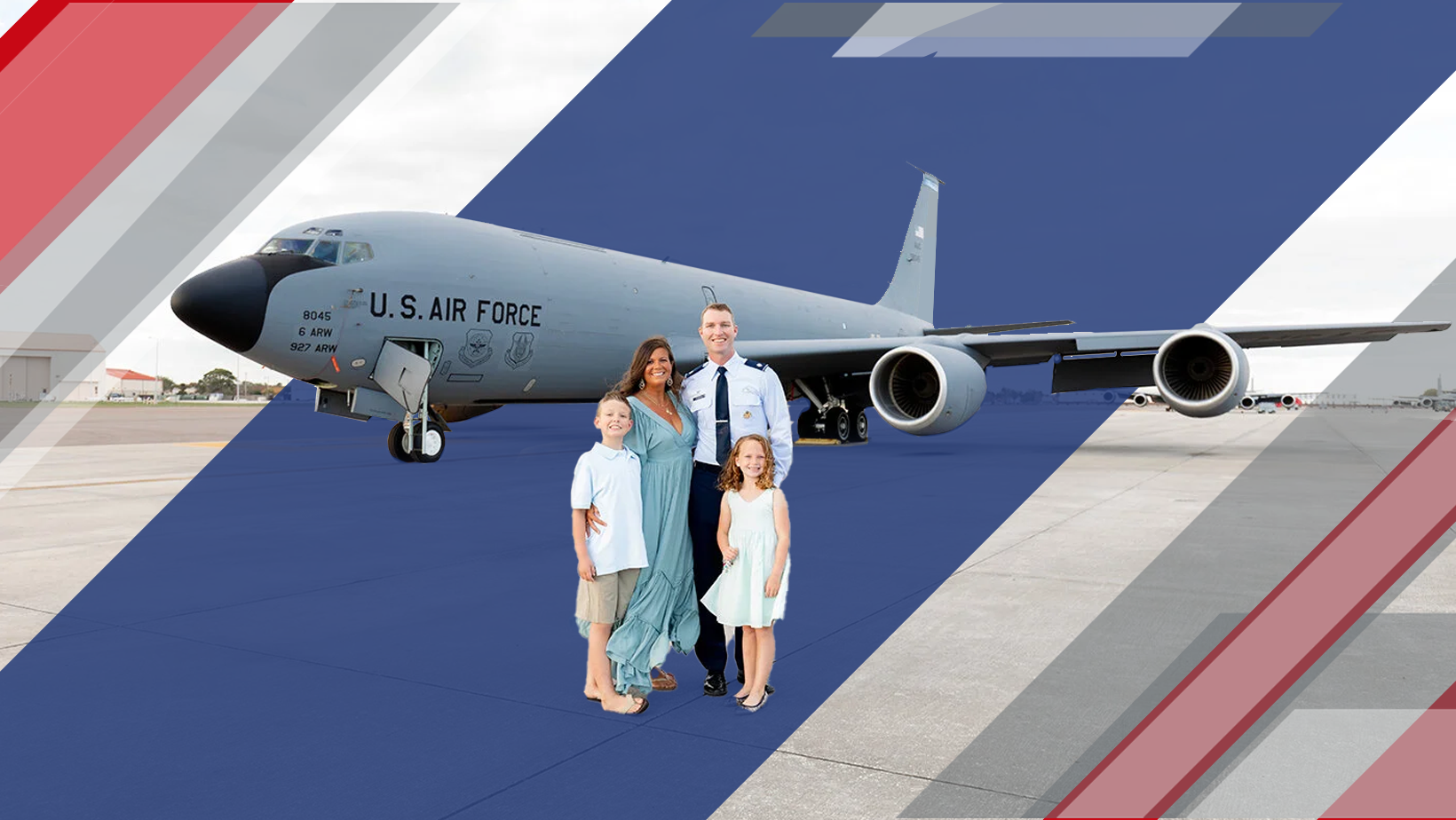
The Air & Space Forces Association’s expanding member insurance platform highlights how affinity-driven insurance programs continue to create meaningful value for military communities while opening new opportunities for carriers, agencies, and distribution partners.
As military families face rising healthcare costs, increased financial planning complexity, and growing concerns about long-term financial security, organizations like the Air & Space Forces Association (AFA) are strengthening member loyalty through specialized insurance offerings designed around the realities of military life. The AFA Member Insurance Program demonstrates how association-sponsored coverage can deliver targeted protection while reinforcing organizational missions and member engagement.
For insurance professionals, the program also serves as an important case study in the continued evolution of affinity marketing, military-focused underwriting, and niche distribution strategies that combine community trust with carrier expertise.
Why Affinity Insurance Programs Continue to Grow
Association-based insurance programs have maintained strong momentum across the insurance industry because they address two persistent consumer priorities: trust and affordability. Members often view coverage endorsed by a respected organization as more credible than standard direct-to-consumer offerings. In military-focused markets, that trust factor becomes even more significant.
Military families frequently encounter challenges that traditional insurance products do not fully address. Frequent relocations, deployments, aviation-related duties, and exposure to hazardous assignments can complicate underwriting and coverage eligibility. Specialized affinity programs help close those gaps through tailored plan structures and negotiated group pricing.
The AFA program reflects this broader trend by offering insurance solutions specifically aligned with the lifestyles and financial realities of airmen, guardians, retirees, reservists, and military families.
“Military families deserve financial protection designed around the unique demands of service life, not coverage that forces them into standard civilian assumptions.”
Military Financial Wellness Perspective
Life Insurance Tailored for Active-Duty Risks
One of the most notable aspects of the AFA Member Insurance Program is its emphasis on life insurance products structured to accommodate military service realities. Traditional individual life insurance policies can contain limitations, exclusions, or pricing concerns for applicants engaged in aviation, combat-related assignments, or high-risk occupations.
The AFA’s term life insurance offerings stand out because they provide coverage without war or terrorism exclusions, an important consideration for active-duty personnel and reservists. This feature addresses a long-standing pain point in military insurance planning and represents a meaningful competitive differentiator.
For insurance carriers and agencies, programs like these illustrate how underwriting flexibility and occupation-specific policy design can strengthen customer retention while improving perceived value among military-affiliated consumers.
Guaranteed-Issue Solutions for Older Members
The Senior Whole Life Insurance offering further demonstrates how affinity programs can address underserved market segments. Guaranteed acceptance for members ages 45 to 85 without a medical exam removes barriers that often prevent older consumers from obtaining permanent coverage.
As longevity increases and final expense planning becomes more urgent for aging populations, simplified underwriting models continue to gain traction. Permanent life insurance solutions with stable premiums remain particularly attractive to retirees seeking predictable financial planning tools.
Final Expense Coverage Remains a Growing Segment
The continued expansion of final expense insurance across the industry reflects growing awareness around funeral inflation, medical debt, and estate-related financial strain. Policies offering up to $40,000 in coverage help families manage immediate financial obligations during emotionally difficult periods.
For military households, these products can supplement existing survivor benefits while providing additional flexibility for end-of-life planning. Insurers continue to see strong demand in this segment due to simplified underwriting, manageable face amounts, and faster approval timelines.
Health Protection Beyond Standard Military Benefits
Healthcare planning remains one of the most important financial considerations for military families transitioning between active duty, reserve service, and retirement. TRICARE provides broad healthcare access, but many beneficiaries still encounter deductibles, copays, and coverage gaps that create out-of-pocket expenses.
TRICARE Supplement Insurance plans available through the AFA program help offset those financial exposures. Supplemental medical coverage continues to represent a major growth area within military-focused insurance distribution because it addresses concerns around affordability and healthcare predictability.
The broader insurance industry has increasingly recognized that military retirees often seek solutions similar to those demanded by Medicare supplement consumers: stability, predictable costs, and reduced claims uncertainty.
Dental and Vision Coverage Gain Strategic Importance
Dental and vision insurance have evolved from secondary employee benefits into essential household financial management tools. Rising preventive care costs, orthodontic expenses, and vision correction needs have pushed consumers to prioritize voluntary ancillary products.
Association-sponsored dental and vision programs can help agencies expand cross-selling opportunities while increasing household policy penetration. For military-affiliated associations, these benefits also enhance overall membership value beyond core advocacy initiatives.
“Affinity insurance programs succeed when members feel the coverage genuinely reflects their daily realities and long-term financial priorities.”
Insurance Distribution Strategy Insight
Long-Term Care and Aging Demographics
Long-term care planning remains one of the most challenging areas of personal financial protection. As caregiving costs continue rising nationwide, consumers increasingly recognize the need to preserve retirement assets against extended healthcare expenses.
The inclusion of long-term care insurance within the AFA program reflects broader industry efforts to address aging member populations through flexible product design and multiple underwriting pathways. For carriers, these programs provide access to highly engaged affinity audiences that may already demonstrate above-average financial planning behaviors.
Agencies specializing in senior markets may also view military affinity partnerships as valuable referral ecosystems capable of supporting long-term retention and multi-product relationships.
How Supplemental Lifestyle Products Strengthen Member Engagement
The AFA Member Insurance Program extends beyond traditional life and health coverage by incorporating lifestyle-oriented protections that increasingly resonate with modern consumers. These offerings reflect how associations are broadening their definition of member value.
Additional Coverage Areas Supporting Member Retention
- Pet Insurance: Veterinary costs continue climbing nationwide, making pet coverage increasingly attractive to military households with frequent relocations.
- Legal Services Plans: Access to legal guidance provides practical assistance for wills, family matters, and consumer protections.
- Accidental Death Coverage: Supplemental accident protection adds another financial safety layer for active-duty and reserve members.
- Flexible Ancillary Benefits: Multi-product availability encourages stronger long-term engagement between members and sponsoring organizations.
For agencies and carriers, these supplemental offerings illustrate how bundling nontraditional protections can improve persistency while enhancing customer satisfaction.
What Insurance Professionals Can Learn from the AFA Model
The AFA Member Insurance Program reflects several broader trends currently shaping the insurance industry. First, consumers increasingly prefer specialized solutions tailored to their identities, careers, and communities. Second, trusted organizations continue to play an influential role in insurance purchasing behavior. Third, simplified enrollment and targeted underwriting remain essential competitive advantages.
Military affinity programs also demonstrate the continued strength of relationship-based distribution in an era dominated by digital marketing. While technology remains critical, consumers often place greater confidence in coverage recommended through organizations they already trust.
For agencies exploring niche marketing strategies, military and veteran-focused affinity partnerships may offer significant opportunities for differentiation, particularly in highly competitive personal lines and supplemental health markets.
Key Coverage Categories Driving Affinity Growth
A Blueprint for Modern Association Insurance Programs
The AFA Member Insurance Program demonstrates how associations can move beyond traditional member benefits to become meaningful financial wellness partners. By aligning insurance offerings with the lived experiences of military personnel and their families, the program creates stronger member engagement while delivering practical financial protection.
For insurance professionals, the broader takeaway is clear. Specialized affinity programs continue to represent a powerful distribution model capable of combining trusted branding, targeted underwriting, and multi-product engagement into a sustainable long-term growth strategy.
As consumers increasingly seek personalized insurance experiences, organizations that successfully align protection products with community identity and real-world lifestyle needs are likely to remain highly competitive across both association and mainstream insurance markets.