
Organized Insurance Fraud Is Rapidly Reshaping Claims, Underwriting, and Premiums Across America
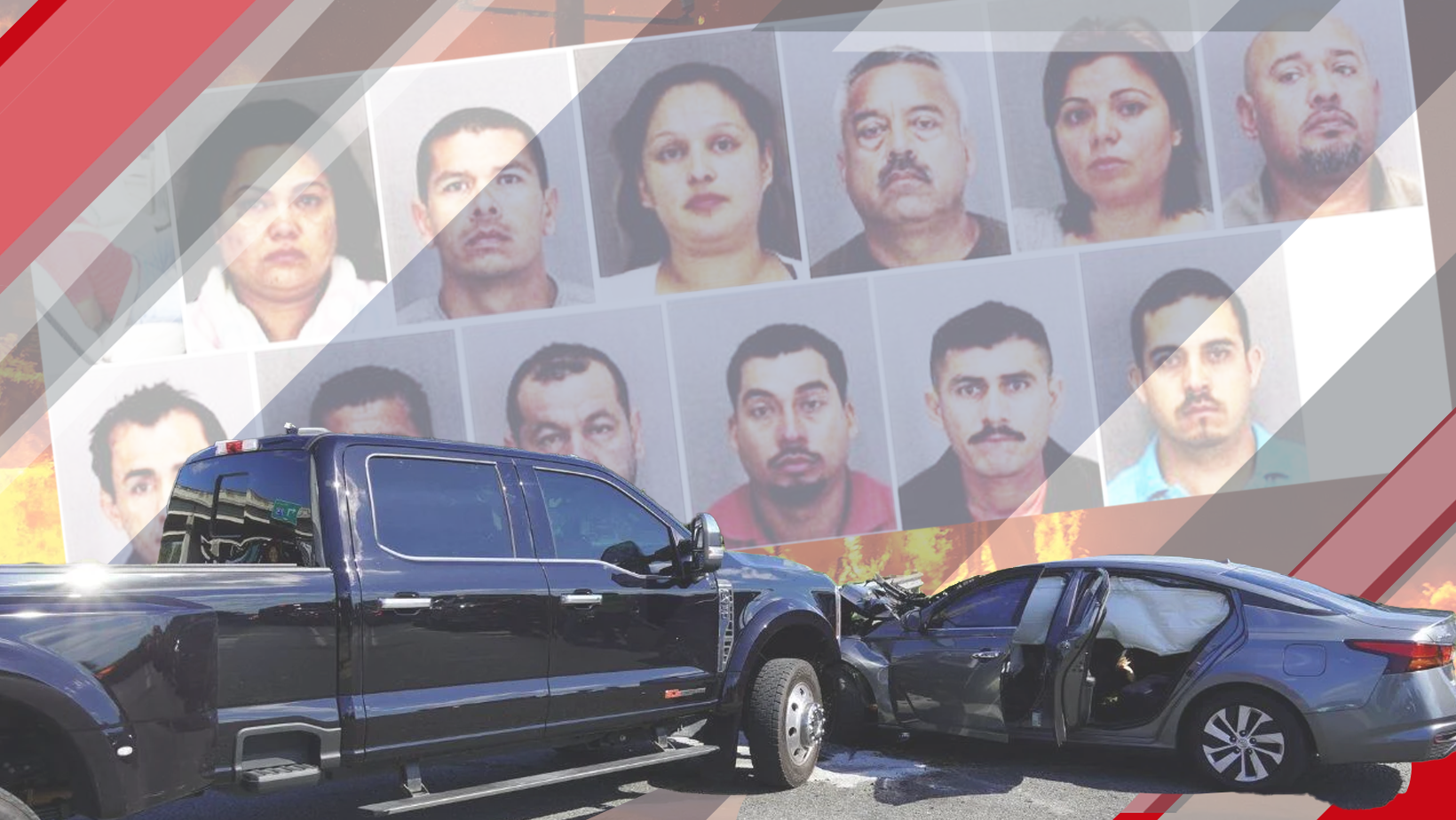
Organized insurance fraud is no longer just a regional nuisance or occasional claims issue because sophisticated fraud networks are now operating at a scale that is quietly reshaping underwriting, claims handling, pricing, and customer trust across the insurance industry.
From staged auto accidents in Florida and Louisiana to coordinated roof fraud schemes in storm-affected states, carriers and law enforcement agencies are reporting a noticeable rise in organized fraud activity tied to insurance claims. What once looked like isolated scams are increasingly revealing larger criminal operations involving recruiters, medical providers, contractors, attorneys, and coordinated billing networks.
For insurance agents, agencies, and carriers, the operational impact is becoming impossible to ignore. Fraud losses are driving stricter underwriting standards, increasing documentation requirements, slowing claims investigations, and contributing to premium pressure for legitimate policyholders.
Fraud Has Become More Organized and More Sophisticated
Insurance fraud is evolving far beyond exaggerated claims or opportunistic scams. Investigators are increasingly uncovering structured networks operating with surprising coordination and sophistication.
Recent investigations across the United States have exposed organized schemes involving staged crashes, inflated medical treatments, fraudulent roofing inspections, fake injury clinics, identity misuse, and coordinated litigation strategies designed to maximize settlements.
In several cases, law enforcement agencies described operations that resembled organized businesses rather than isolated criminal activity.
This shift matters because organized fraud creates losses at a much larger scale than traditional one-off scams. It also creates a ripple effect throughout underwriting and claims operations.
“Fraud is not a victimless crime. Every fraudulent claim ultimately affects honest policyholders through increased premiums and higher operating costs.”
National Insurance Crime Bureau
The Auto Claims Problem Is Escalating
Staged auto accidents remain one of the most visible and costly forms of organized fraud activity.
Investigators in multiple states have reported an increase in coordinated crash schemes involving recruited passengers, fraudulent injury claims, questionable medical treatment patterns, and inflated billing activity.
Some operations reportedly target commercial vehicles and rideshare drivers because higher liability limits can create larger settlement opportunities.
The challenge for carriers is that many staged crashes initially appear legitimate. Adjusters often must sort through conflicting statements, questionable treatment timelines, and coordinated documentation designed to appear credible.
This has increased pressure on claims teams to investigate more thoroughly while balancing customer experience expectations and settlement timelines.
Roofing Fraud Is Creating New Operational Pressure
Property carriers are also facing growing concerns tied to fraudulent or exaggerated roof claims, particularly in storm-prone states.
Some investigations have uncovered contractors allegedly pressuring homeowners into unnecessary claims, manipulating inspection findings, or encouraging insureds to pursue questionable damage allegations.
In some markets, carriers have responded by tightening underwriting guidelines, requiring roof age verification, increasing inspection requirements, or limiting certain coverages entirely.
Unfortunately, legitimate homeowners are often caught in the middle. Many insureds are now facing increased deductibles, reduced eligibility, or higher premiums because of fraud activity occurring elsewhere in the market.
Claims Departments Are Feeling the Strain
The rise in organized fraud is not only affecting profitability. It is also creating significant operational strain for claims organizations.
Adjusters are increasingly expected to identify suspicious patterns while still maintaining customer satisfaction, fast response times, and regulatory compliance.
That balancing act is becoming more difficult as fraud tactics become harder to detect.
Many carriers are investing heavily in special investigation units, predictive analytics, vendor oversight, and cross-carrier data sharing to identify patterns earlier in the claims process.
At the same time, legitimate customers sometimes experience longer investigations or increased documentation requests because carriers are operating in a more defensive environment.
Consumers Often Do Not Realize They Are Participating
One of the more concerning trends is that some consumers reportedly become involved in fraud schemes without fully understanding the long-term consequences.
Homeowners may trust aggressive contractors after severe storms. Drivers may agree to participate in questionable injury claims after an accident. Some individuals are persuaded that “everyone does it” or that carriers will simply absorb the loss.
In reality, fraud investigations can lead to denied claims, legal exposure, policy cancellations, and criminal charges.
This creates an important educational role for agents and agencies that often serve as the most trusted insurance contact for policyholders.
Where Agencies Are Seeing the Impact
Many agencies are already noticing operational changes connected to rising fraud activity.
| Trend | Agency Effect |
|---|---|
| Claims Scrutiny Additional reviews slowing approvals and settlements |
Client Frustration More questions directed toward local agencies |
| Underwriting Tightening Expanded documentation and inspection requirements |
Operational Burden Agencies gathering more information upfront |
| Premium Pressure Fraud losses impacting overall market pricing |
Retention Challenges Insureds frustrated with increasing renewal costs |
Trust Is Becoming a Bigger Industry Issue
One hidden consequence of widespread fraud activity is the effect it can have on public perception.
Consumers who experience delays, documentation requests, or increased premiums often do not connect those frustrations back to organized fraud losses happening elsewhere in the market.
Instead, many simply believe carriers are becoming more difficult or less responsive.
That creates a growing communication challenge for both carriers and agencies.
Professionals who can clearly explain how fraud impacts pricing, underwriting, and claims handling may be better positioned to build credibility with clients who are frustrated by market conditions.
“The insurance industry is fighting increasingly complex fraud operations that affect every policyholder in the system.”
Coalition Against Insurance Fraud
The Industry Response Is Likely to Keep Expanding
Most signs suggest carriers, regulators, and law enforcement agencies will continue intensifying anti-fraud efforts over the next several years.
More advanced analytics, stronger verification systems, expanded investigations, and tighter underwriting controls are already becoming standard in many markets.
For agencies, this means fraud awareness may increasingly become part of everyday customer conversations rather than a back-office industry issue.
Clients are asking why premiums are increasing, why inspections are stricter, and why claims sometimes take longer to resolve. Fraud is becoming part of that answer whether consumers realize it or not.
The agencies that can explain these shifts clearly and honestly may ultimately strengthen trust during a period when many policyholders feel increasingly confused about the insurance market.