
Space Junk Crashes Into Home: The Wild Insurance Claim That Sounds Impossible But Is True
When a chunk of metal from the International Space Station crashes through a family’s roof in Florida, it sounds less like an insurance claim and more like the plot of a science fiction movie.
Yet that is exactly what happened in Naples, Florida, when a cylindrical piece of orbital debris tore through a home, ripped through multiple floors, and narrowly avoided causing a catastrophic injury. For insurance professionals, the story has become one of the most fascinating modern examples of why risk management exists in the first place.
The incident immediately sparked conversations across the insurance industry because it combines several things agents and carriers rarely see together: a completely legitimate claim, an almost unimaginable cause of loss, and serious questions about liability, subrogation, and policy interpretation.
More importantly, it is the kind of real-world event that reminds consumers why insurance coverage matters even when the odds seem impossibly remote.
A Claim Straight Out of Orbit
According to reports from NASA and multiple national news outlets, the object was later identified as hardware associated with equipment discarded from the International Space Station years earlier. The debris survived reentry through Earth’s atmosphere before crashing into the family’s home.
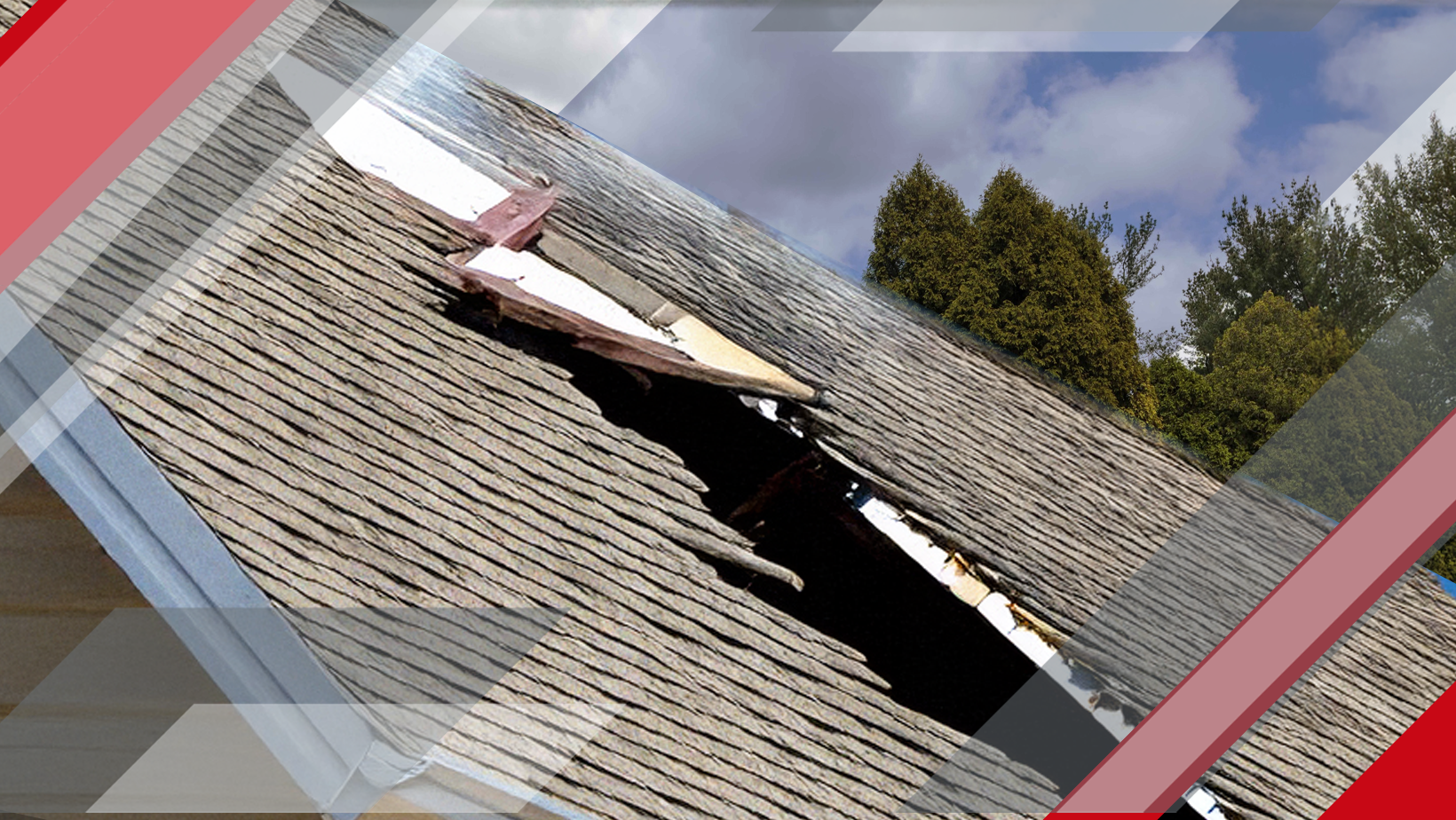
The family described hearing a violent impact before discovering that the object had punched through the roof and flooring. Photos released afterward showed extensive structural damage and a charred metal cylinder embedded inside the residence.
“Something ripped through my house and almost hit my son.”
Florida homeowner involved in the incident
For homeowners, the event felt terrifying and surreal. For insurance professionals, it instantly raised questions that almost never appear in standard training materials.
Why This Story Captivated Insurance Professionals
Insurance exists to transfer financial risk from unpredictable events. Most claims fall into familiar categories such as storms, water damage, auto accidents, or liability lawsuits. Space debris is obviously not a standard everyday peril.
That unusual nature is precisely why the story spread so quickly across agency offices, underwriting teams, and claims departments nationwide.
The claim became a perfect conversation starter because it highlights the uncomfortable truth that no one can predict every possible loss scenario. Consumers often question why they carry broad property coverage until an event occurs that no reasonable person could have anticipated.
The Coverage Questions Everyone Asked
Once the story became public, insurance professionals immediately began debating how a standard homeowners policy would respond.
Most industry experts agreed the physical damage itself would likely fall under traditional homeowners property coverage, assuming no unusual exclusions applied. From the carrier perspective, the falling object was essentially treated similarly to other external impact events.
However, the more complicated questions emerged after the initial property damage assessment.
| Issue | Industry Concern |
|---|---|
| Property Damage Repairing structural impact losses |
Coverage interpretation under standard homeowners forms |
| Liability Questions Potential negligence investigations |
Determining responsibility for orbital debris management |
| Subrogation Potential Recovery from responsible entities |
Government involvement and international legal complexity |
The Space Industry Is Creating New Risk Conversations
This event also arrives during a period of rapid expansion in commercial space activity. Private launches, satellite deployments, and orbital operations have increased dramatically over the last decade.
That growth means insurers are increasingly paying attention to emerging aerospace exposures that once felt purely theoretical.
While the odds of space debris striking a home remain extraordinarily small, the broader issue of orbital congestion is becoming more serious. Aerospace experts have repeatedly warned that aging satellites, discarded hardware, and fragmented debris create growing hazards both in orbit and during atmospheric reentry.
“The probability is low, but the consequences can be significant when debris survives reentry.”
Aerospace safety analysts discussing orbital debris risks
For carriers, that reality reinforces an important underwriting principle: low-frequency risks can still produce severe losses.
What Agents Can Learn From the Incident
Stories like this create valuable opportunities for agents to educate clients about the purpose of comprehensive coverage.
Consumers often think insurance only matters for the obvious risks they personally expect to encounter. Yet some of the most financially devastating claims arise from situations nobody could reasonably predict.
The Florida debris incident demonstrates several important lessons for client conversations.
Key Takeaways for Client Education
- Unexpected losses happen more often than consumers realize.
- Broad property protection matters even for bizarre scenarios.
- Claims handling expertise becomes critical during unusual events.
- Liability and recovery questions can become highly complex quickly.
- Risk evolves alongside technology and global infrastructure.
Claims Professionals Faced a Rare Scenario
From a claims handling perspective, the case represented a highly unusual investigation.
Adjusters dealing with hail, fire, or water losses have established workflows and historical benchmarks. Orbital debris creates a completely different environment involving federal agencies, aerospace analysis, and potentially international legal considerations.
Questions surrounding evidence preservation, debris ownership, and engineering review all become more significant in a claim involving government space hardware.
The event also highlighted the importance of clear communication with policyholders during emotionally charged and highly publicized losses. In extraordinary situations, insureds often feel overwhelmed not only by the damage itself but also by media attention and uncertainty surrounding the claim process.
A Reminder About the Real Purpose of Insurance
One reason this story resonated so strongly within the insurance community is because it perfectly captures the industry’s core purpose.
Insurance is not designed only for predictable losses. It exists because life occasionally produces events that are shocking, financially disruptive, and completely outside normal expectations.
Whether the peril is a hurricane, a kitchen fire, or debris falling from space, the underlying promise remains the same: helping people recover when the unimaginable becomes reality.
For agents, agencies, and carriers, the Florida incident serves as both a fascinating headline and a powerful reminder of why the industry matters. Sometimes the most effective example of risk is also the one nobody would ever believe if it had not actually happened.