
“Just Burn It”- Historic Minnesota Lodge Fire Becomes Shocking Insurance Fraud Case
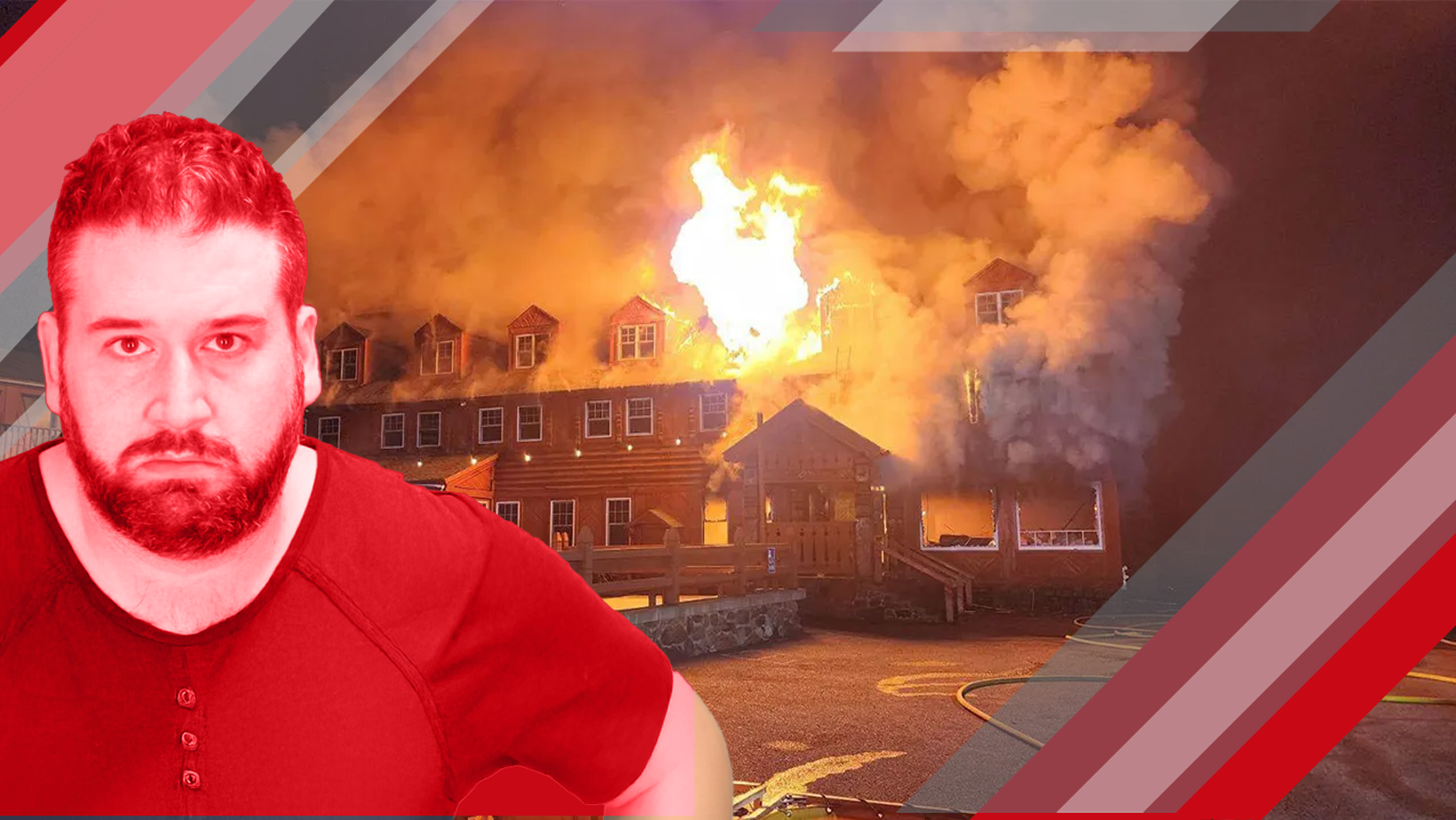
A historic Minnesota lodge, a devastating fire, and a series of alleged incriminating text messages have turned the Lutsen Resort case into one of the most talked-about insurance fraud stories in the country.
A Landmark Property at the Center of a Criminal Case
For generations, Lutsen Resort was more than a hotel on Lake Superior. It was part of the identity of Minnesota’s North Shore. Families vacationed there for decades. Couples married there. Seasonal employees depended on it. Travelers viewed it as one of the iconic destinations in the Midwest.
That is why the criminal case against owner Bryce Campbell has attracted national attention inside and outside the insurance industry. Minnesota authorities charged Campbell with arson and insurance fraud after the February 2024 fire that destroyed the historic lodge.
Investigators allege the fire was intentionally set as financial pressure mounted around the property and related businesses. Campbell has denied wrongdoing, and the allegations remain allegations unless proven in court.
The Text Messages That Changed the Story
The case intensified when investigators revealed a series of messages allegedly sent by Campbell before the fire. According to court filings and reporting from Minnesota media outlets, Campbell repeatedly used the phrase “Just burn it” in conversations about the struggling property.
Authorities say the messages appeared during discussions involving financial stress, negative business reviews, and mounting obligations tied to the resort operation.
Investigators also pointed to messages and records suggesting serious cash flow problems before the blaze. In one reported communication, management warned there was not enough money available to cover payroll the following week.
“Just burn it.”Phrase allegedly found in messages referenced by investigators
For insurance professionals, the significance of those alleged texts is impossible to ignore. Fraud investigations often rely on patterns rather than one single piece of evidence. Financial distress, coverage changes, suspicious timing, unusual behavior, and electronic communications can collectively become central to a case.
Investigators Say Digital Evidence Became a Major Turning Point
One of the most striking elements of the investigation involved communications and digital records surrounding the hours before and after the fire.
According to investigators, the resort’s general manager told authorities he could not initially reach Campbell during the early morning hours of February 6 when the fire was unfolding. However, the manager was reportedly able to reach Campbell’s husband.
Authorities later questioned Campbell about approximately 30 calls allegedly made by his husband between 1 a.m. and 2 a.m. Campbell reportedly told investigators he had been awake and “doing something personal.”
The investigation also revealed Facebook Messenger conversations that authorities believe became increasingly important to the timeline of events.
According to court documents, Campbell’s husband allegedly messaged him days after the fire asking, “What are you going to tell them about where you were?”
Investigators say Campbell allegedly responded, “Well I definitely can’t tell them. Especially after everything, can you image if our extra caricular [sic] activities got in the news??”
The messages allegedly continued with Campbell’s husband expressing concern investigators could track his location data through his phone and see him “driving by Lutsen at around when the fire started around 12:30.”
According to the complaint, Campbell allegedly replied, “Your stressing me out now.”
“What are you going to tell them about where you were?”Message referenced in court filings tied to the investigation
For investigators, the combination of texts, phone activity, and location concerns reportedly became a significant part of the broader case narrative.
Surveillance Footage and Vehicle Evidence Added More Questions
Authorities also examined vehicle movement around the area during the hours surrounding the fire.
Campbell reportedly drove a white Ford Explorer. Investigators said surveillance footage captured a white SUV traveling near several local businesses between approximately 11:30 p.m. on February 5 and 12:30 a.m. on February 6.
According to reports, the vehicle was observed near the Holiday gas station in Tofte, the Tofte General Store, and the Arrowhead Electric Cooperative.
Investigators also noted that a Cook County Sheriff’s deputy responding to the fire reportedly encountered only two northbound vehicles while driving south toward the scene. One of those vehicles was described as a white SUV.
While surveillance images alone rarely decide a case, investigators frequently use vehicle movement, location data, phone records, and timestamps together to build timelines around suspicious commercial losses.
The Financial Pressure Behind the Property
According to investigators, Campbell and related resort entities allegedly carried more than $14 million in debt around the time of the fire. Reports tied to the investigation described unpaid obligations to contractors, vendors, lenders, and tax authorities.
Authorities also alleged the resort’s insurance coverage had increased substantially before the loss. Reports indicate policy limits rose from approximately $8.5 million to roughly $13 million in the years leading up to the fire.
After the lodge burned, investigators said a claim exceeding $16 million was submitted.
For agencies and carriers, those details create a familiar fraud-risk profile:
| Factor | Insurance Concern |
|---|---|
| Large debts Financial distress can elevate fraud exposure. |
Agency vigilance Documentation and underwriting become critical. |
| Coverage increases Limit changes deserve careful review. |
Valuation support Updated replacement costs should be verified. |
| Timing of fire Late-night commercial fires often draw scrutiny. |
Claims investigation Origin and cause reviews become essential. |
Why This Matters to Insurance Professionals
Most commercial insureds experiencing financial strain never commit fraud. That point matters. Restaurants, resorts, contractors, retailers, and hospitality businesses regularly operate under intense pressure, especially after inflation, labor shortages, rising interest rates, and property cost increases.
But this case highlights how quickly a struggling account can become a catastrophic claim and eventually a criminal investigation.
For agencies, it reinforces the importance of understanding the operational health of commercial clients. For carriers, it underscores why large property claims involving distressed businesses often receive extensive investigative review.
“In committing this selfish criminal act, Mr. Campbell considered his own personal benefit over the lives and livelihoods of the people he employed.”Drew Evans, Minnesota Bureau of Criminal Apprehension Superintendent
The Human Cost Beyond the Insurance Claim
One reason this story has spread so widely is because the alleged damage reached far beyond an insurance carrier.
Employees lost jobs. Local businesses lost tourism traffic. Travelers lost a historic destination. Community members lost a landmark that had existed for more than a century.
That broader impact matters in insurance conversations because fraud is often discussed only in terms of dollars and claims severity. In reality, commercial property fraud can destabilize entire communities, especially in tourism-dependent regions.
The Lutsen Lodge case also became emotionally powerful because the property itself carried deep historical significance. The resort traced its origins back nearly 140 years and had survived previous fires, economic downturns, and ownership changes before the 2024 blaze destroyed the lodge structure.
Practical Takeaways for Agents and Agencies
- Document major limit increases carefully: Coverage changes should always be supported by updated valuations and underwriting notes.
- Understand business stress signals: Payroll concerns, unpaid vendors, and rapid operational deterioration can affect risk quality.
- Keep detailed communication records: Proper documentation protects agencies during large-loss scrutiny.
- Review hospitality accounts closely: Historic properties and seasonal businesses often present unique valuation challenges.
- Remember the community impact: Large commercial losses affect employees, tourism, and local economies far beyond the insured location.
A Case the Industry Will Be Talking About for Years
The Lutsen Resort fire combines nearly every element that captures industry attention: a historic property, financial distress, a catastrophic fire, alleged incriminating texts, surveillance evidence, large insurance limits, and criminal fraud charges.
For insurance professionals, the story serves as more than headline material. It is a reminder that underwriting, valuation, claims investigation, and client relationships all intersect when commercial accounts begin showing signs of serious strain.
It is also a reminder that behind every major commercial property loss are real people whose livelihoods can disappear overnight. That reality is what makes stories like this resonate so strongly throughout the insurance industry.