
The Mail Theft Scam Raising Alarms Across the Industry As Insurance Refund Checks Disappear.
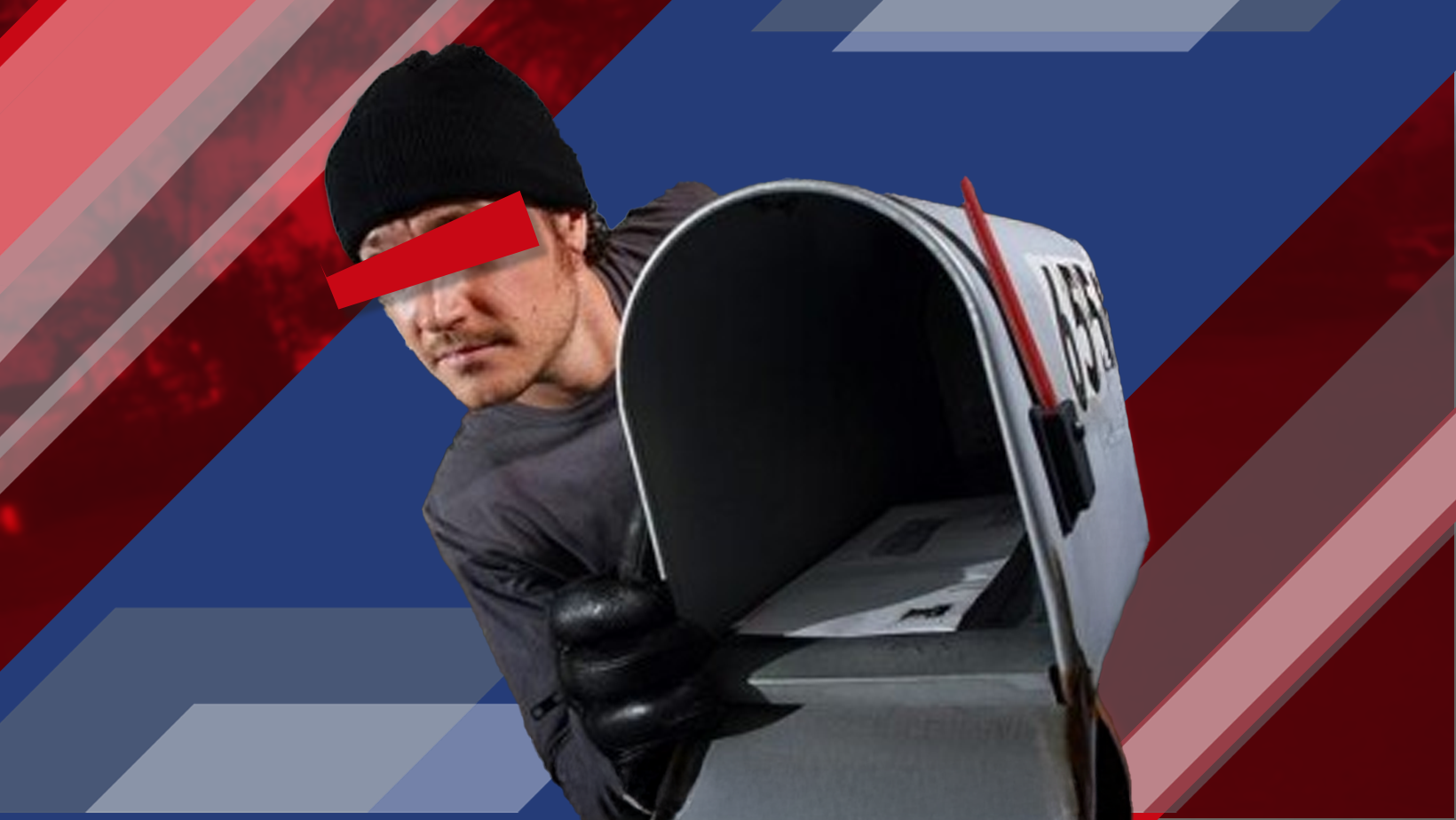
A Florida mail theft case involving stolen insurance refund checks is a sharp reminder that even a small paper payment can become a big trust problem.
In Lakewood Ranch, Florida, residents say criminals intercepted mailed checks, altered them, and cashed them under forged signatures. Reported losses climbed past $671,000, and one homeowner discovered that a $664 insurance refund check had already been cashed by someone else.
For insurance professionals, this story is not just about mail theft. It is about client confidence, payment security, carrier communication, refund workflows, and the uncomfortable moment when a policyholder says, “My insurance money disappeared.”
Why This Story Hits Home For Insurance Professionals
Insurance is built on trust, and money movement is one of the places where that trust is most visible. Premium refunds, claim checks, escrow refunds, commission payments, and reimbursement checks may look routine from the inside of an agency or carrier. To a customer, though, that check can represent relief, recovery, or proof that the system worked.
That is what makes this Florida case so relevant. A homeowner was not chasing a mystery sweepstakes payment or responding to an obvious scam. She was expecting a legitimate insurance refund. The fraud happened in the quiet gap between when the check entered the mail and when the customer realized something was wrong.
“How can this happen to somebody in 10 days time, three different batches of checks stolen?”Linda O’Brien, Lakewood Ranch business owner
That question is exactly the kind of question agents and carriers should be prepared to answer, even when the theft itself is outside their direct control.
The Old Scam That Feels New Again
Check washing is not new, but the scale and speed of today’s schemes have changed. Criminals steal checks from mailboxes, collection boxes, or other points in the mail stream. Then they chemically remove or alter the payee and amount, deposit the check, and move the funds before the fraud is caught.
Federal agencies have warned that mail theft related check fraud has surged in recent years. Suspicious activity reports tied to check fraud nearly doubled from 2021 to 2023, and federal financial crime analysts have identified hundreds of millions of dollars in suspicious mail theft related check activity over a six month period.
That matters because insurance payments often look attractive to criminals. They may come from recognized company names, involve refund or claim amounts, and reach consumers who are not expecting fraud in the middle of an ordinary policy transaction.
Where The Insurance Industry Fits In
A stolen check may begin as a postal or banking issue, but the insurance brand is still part of the customer’s experience. If a policyholder is owed a refund and never receives it, the first call may go to the agent. If a claim check is delayed, altered, or cashed fraudulently, the customer may blame the carrier before they understand the fraud chain.
That creates an opportunity for agents and agencies to step into a more consultative role. This is not about alarming clients. It is about helping them understand that payment security is now part of financial protection.
The Client Conversation Agents Should Be Having
The best agencies can use stories like this to start practical conversations. Ask clients how they prefer to receive refunds, whether they monitor incoming mail daily, and whether they have moved to electronic payments when available. For commercial clients, ask who reviews bank activity and how quickly suspicious transactions are escalated.
This also creates a natural opening to discuss cyber liability, crime coverage, funds transfer fraud, identity theft protection, and internal controls. Not every stolen check will trigger an insurance policy response, but every stolen check can expose weaknesses in how people send, receive, and verify payments.
What Makes Insurance Refund Checks Vulnerable
| Risk | Why It Matters |
|---|---|
| Paper checks Physical payments can be stolen or altered. |
Delayed discovery Customers may not notice until weeks later. |
| Refund confusion Clients may not know when money should arrive. |
Trust damage The insurer may be blamed for the missing funds. |
| Forged signatures Fraudsters can deposit checks before review. |
Recovery stress Victims face banks, police, and paperwork. |
What Agencies Can Do Right Now
This is one of those stories that can easily become useful instead of merely alarming. Agents do not need to be fraud investigators to help clients reduce risk. They need to be clear, proactive, and practical.
- Encourage electronic payments: Direct deposit and secure portals reduce exposure to mailbox theft.
- Set expectations early: Tell clients when refunds or claim checks are issued and how long delivery should take.
- Promote daily mail pickup: Uncollected mail gives criminals more opportunity.
- Document payment conversations: Notes help when a client later reports a missing check.
- Escalate quickly: Missing insurance payments should be reported to the carrier, bank, and law enforcement promptly.
A Small Refund Can Create A Big Reputation Problem
The $664 insurance refund check in this case was not the largest loss reported in Lakewood Ranch, but it may be the most instructive for the insurance industry. Most clients do not think in terms of payment rails, check clearing rules, or mail theft patterns. They think, “My insurance company sent me money, and someone else got it.”
That emotional response matters. A stolen refund can turn a satisfied customer into an anxious one. A delayed replacement can turn a minor transaction into a complaint. A confusing process can make the agency look unprepared, even when the agency did nothing wrong.
“Never leave mail in your mailbox overnight, especially if you’re expecting checks or credit cards.”United States Postal Inspection Service
The Bigger Lesson For Agents, Agencies, And Carriers
Insurance professionals spend a lot of time helping clients understand risks that feel distant until they happen. Mail theft related check fraud is different. It feels ordinary because it begins with something familiar: a mailbox, a refund, a routine payment.
That is why this story is worth paying attention to. It connects fraud prevention, customer service, carrier operations, and agency communication in one very real scenario. The agencies that talk about this now can position themselves as modern advisors, not just policy processors.
The takeaway is simple: when insurance money moves, trust moves with it. Protecting that trust now means helping clients think beyond the policy and all the way through the payment experience.