
When an Agency’s Name Becomes Someone Else’s Lead Magnet
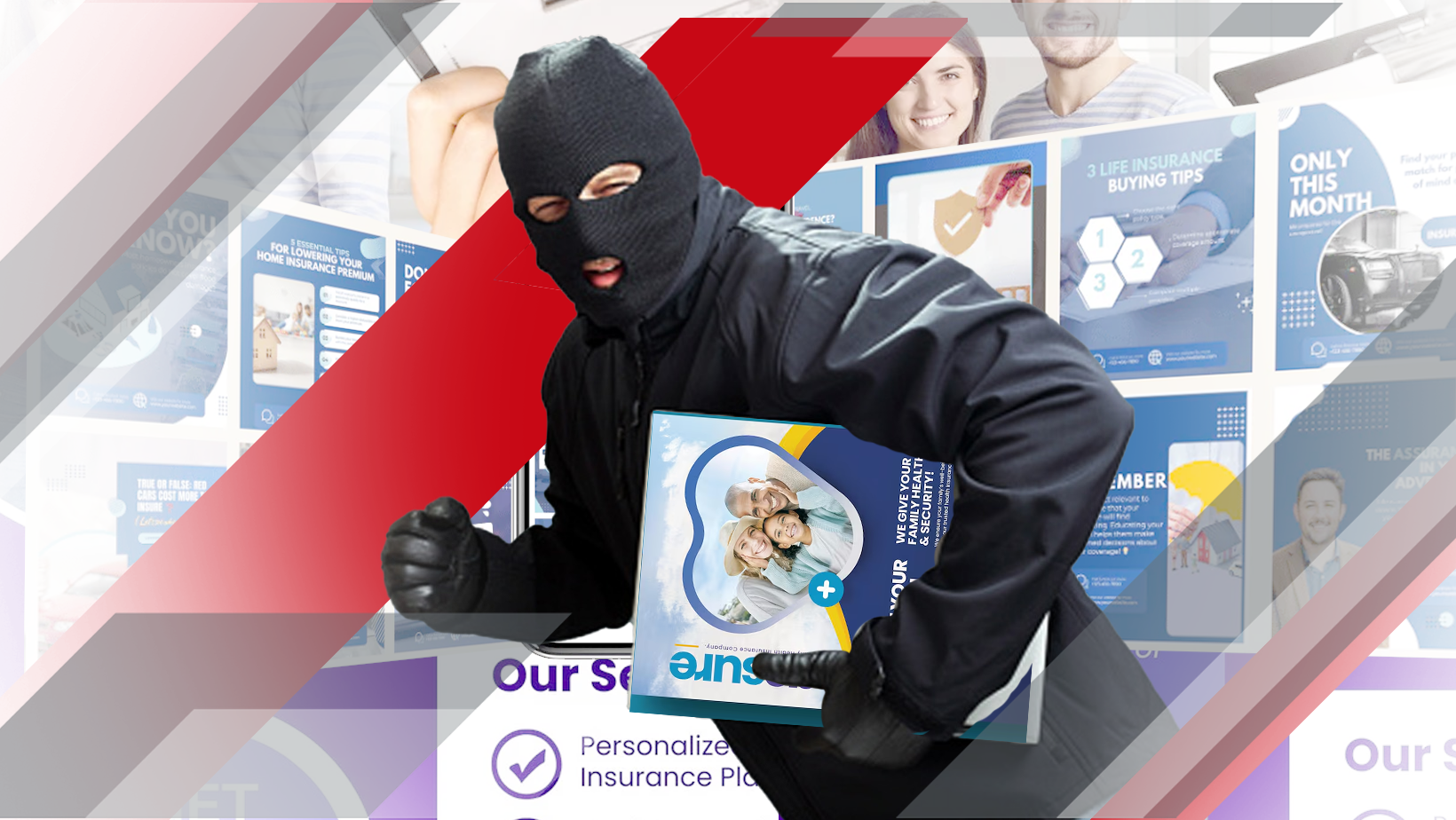
The dispute centers on Solo Insurance Services, a Missouri agency that alleges EverQuote used the “Solo Insurance” name in Google advertising and directed consumers to a competing quote site. According to the agency’s complaint, a sponsored result appeared when users searched for the agency’s name, with ad language that allegedly suggested a connection to Solo.
For agents and carriers, the story is not just about one lawsuit. It is about trust, digital visibility, customer confusion, and the growing tension between local agencies and large-scale lead generation platforms.
Why This Story Hits Close To Home For Agencies
Most independent agencies spend years building name recognition in their communities. They sponsor events, answer after-hours calls, help families through claims, and earn referrals one relationship at a time. Then one search ad can potentially intercept that trust at the exact moment a customer is looking for them.
That is what makes this case so relevant. The alleged harm is not abstract. A consumer searches for a known local agency, sees a sponsored result, clicks, and may end up in a quote funnel connected to other providers. Even if the consumer eventually realizes the site is different, the agency may have already lost the opportunity, the relationship, or the consumer’s confidence.
“In insurance, your name is not just marketing. It is the shorthand customers use for trust.”
Insurance agency risk perspective
The Human Angle: A Customer Looking For Help
Picture the ordinary consumer at the center of this kind of dispute. Maybe they are trying to add a teen driver. Maybe they just received a renewal increase. Maybe they need proof of insurance before buying a car. They search for the agency they know, expecting a familiar destination.
Instead, they may land in a lead capture experience that feels close enough to continue. That is where the risk becomes personal. The consumer may share contact details, vehicle information, or coverage needs with a company they did not intend to contact. The agency may never know the customer tried to reach them.
For an industry built on confidence, that confusion matters.
What Agents Should Learn From This
This case is a reminder that digital risk is no longer limited to ransomware, phishing, or data breaches. Brand confusion, search advertising disputes, impersonation, and online lead diversion can create real business harm.
Agencies should pay attention to a few practical areas:
- Search visibility: Regularly search your agency name in private browsing mode.
- Brand ownership: Review trademarks, business names, domains, and social handles.
- Ad monitoring: Watch for sponsored results using confusing language.
- Documentation: Screenshot ads, landing pages, dates, and search terms.
- Coverage review: Discuss media liability, cyber, E&O, and business interruption implications.
- Vendor oversight: Ask marketing partners how they use competitor terms.
Why Carriers Should Care Too
Carriers rely on agents to represent their brands accurately in the marketplace. If agency names, carrier appointments, or quote pathways are blurred online, customers may become confused about who is serving them and who is responsible for the advice they receive.
That confusion can weaken distribution relationships. It can also create complaints when consumers believe they contacted one business but later discover their information traveled through a different channel.
For carriers, the takeaway is simple: digital lead practices affect brand integrity across the entire insurance ecosystem.
The Bigger Issue: Lead Generation And Trust
Lead generation is a major part of modern insurance marketing. Used properly, it can connect consumers with coverage options quickly. Used carelessly, it can leave shoppers feeling misled, over-contacted, or unsure who they are actually doing business with.
That is why this story is bigger than one agency and one platform. It highlights a pressure point in the industry: the battle for attention at the moment of search.
“The most valuable click in insurance may be the one from a customer who already knew who they wanted.”
Digital distribution observation
Coverage Questions This Case Raises
For agency owners, this kind of dispute should trigger a fresh look at insurance protection for the agency itself. Many agencies are excellent at advising clients, but less consistent about reviewing their own risk profile.
Would a cyber policy respond if customer data was captured through a misleading ad experience? Would media liability help with trademark or advertising injury allegations? Would E&O apply if a consumer claimed confusion led to a coverage problem? Would business income coverage respond to lost digital traffic?
The answer will depend on the facts, policy wording, exclusions, and damages alleged. But the questions are worth asking before there is a dispute.
The Bottom Line For Insurance Professionals
The Solo Insurance case is a warning shot for the industry. Agencies are not just competing on price, service, and carrier access anymore. They are also competing for control of their own names in search results.
For agents, this is a chance to protect the brand equity they have worked so hard to build. For carriers, it is a reminder that distribution trust can be affected by online advertising practices. For the broader industry, it is another sign that digital conduct is becoming inseparable from insurance professionalism.
The lesson is clear: in today’s marketplace, an agency’s name is not just a sign on the door. It is a digital asset, a trust signal, and sometimes, the first claim waiting to happen.